
Last updated November 23, 2026
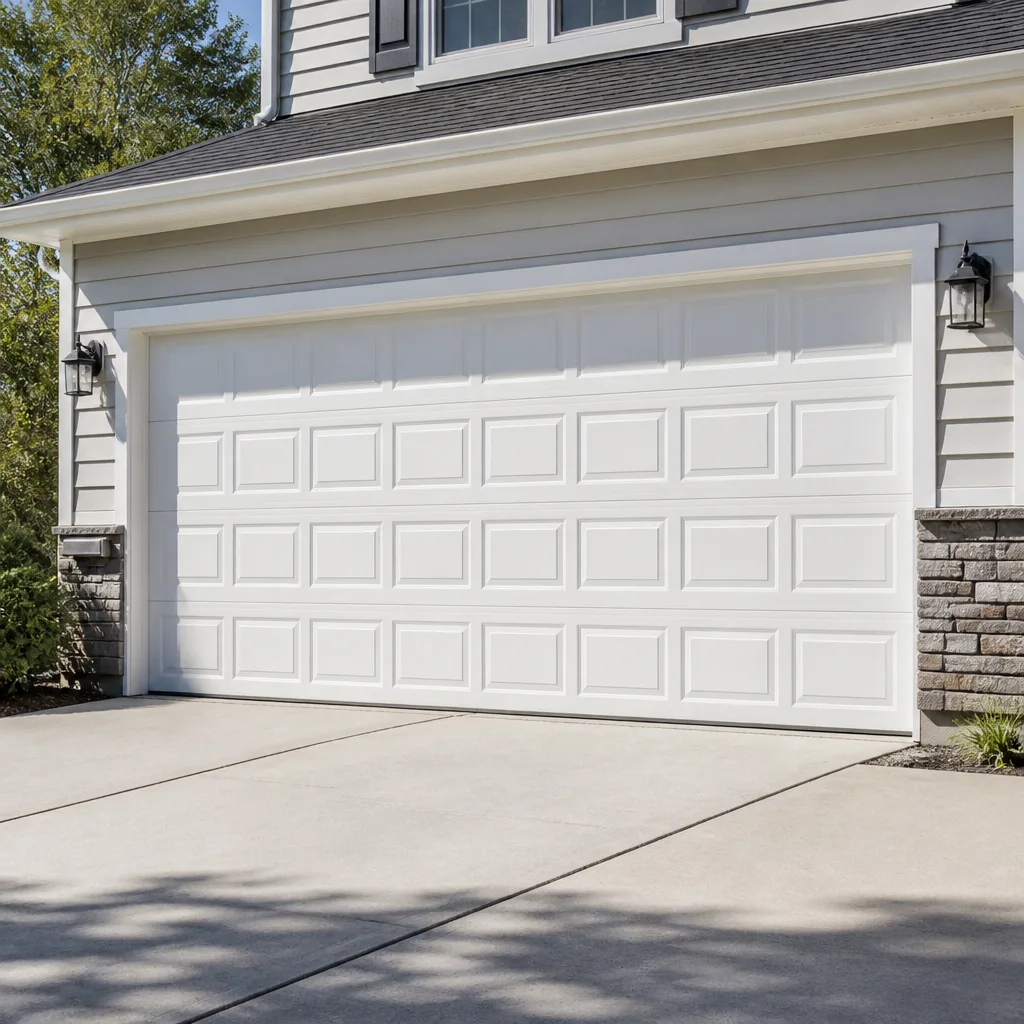 Raised-panel steel
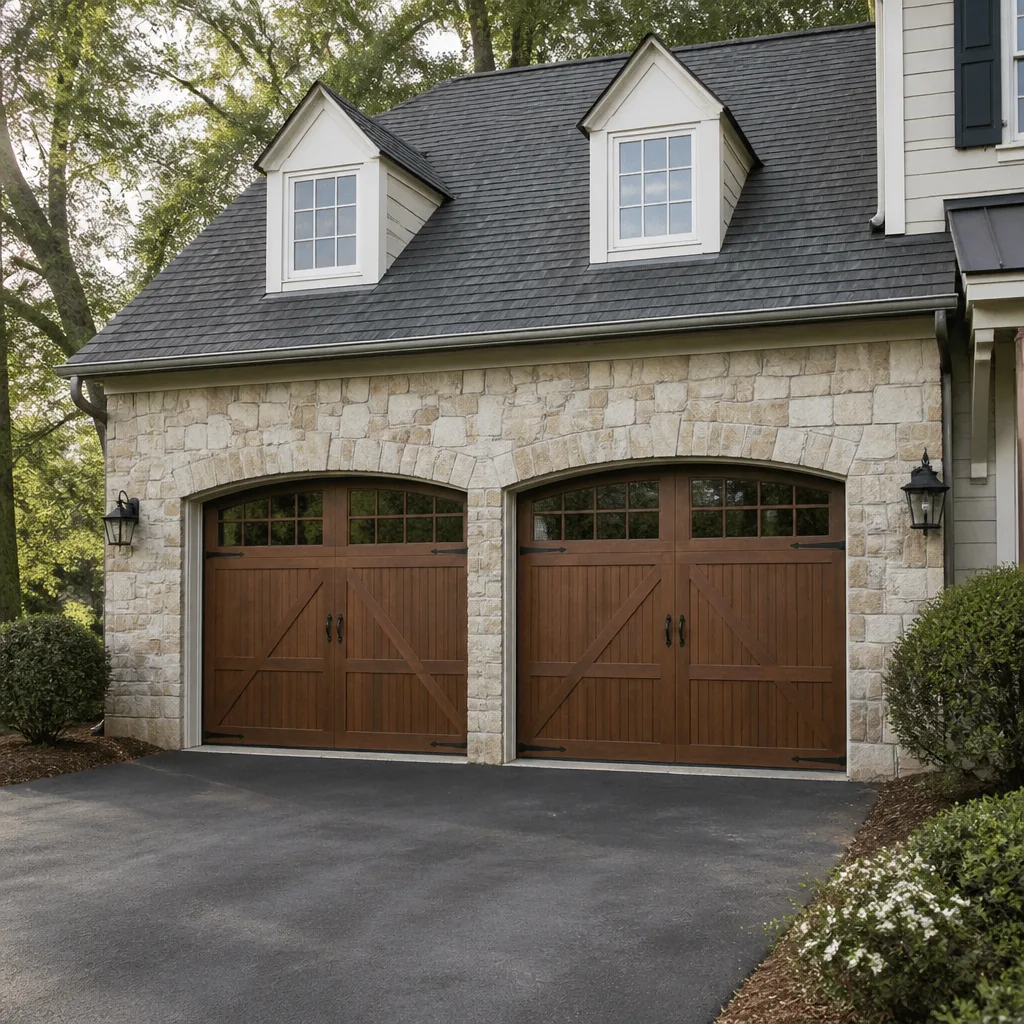 Carriage house
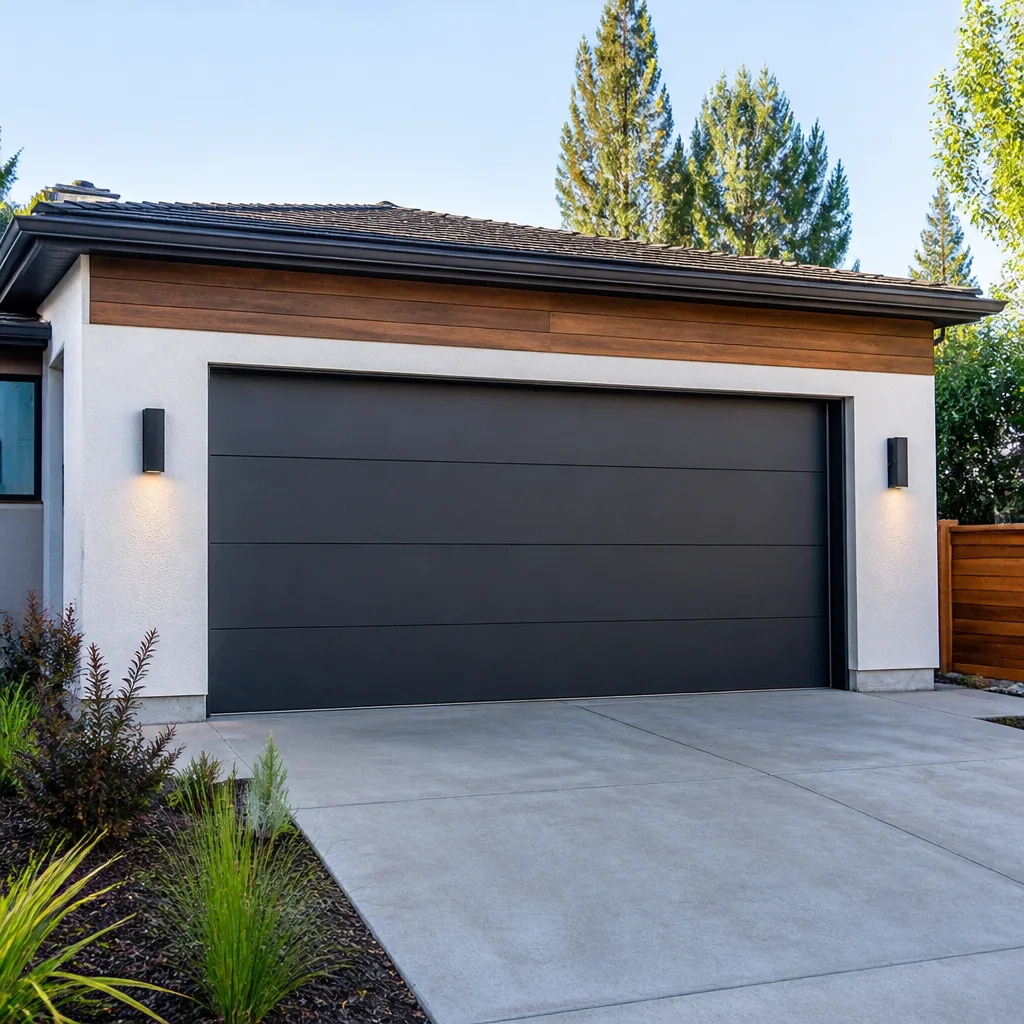 Modern flush
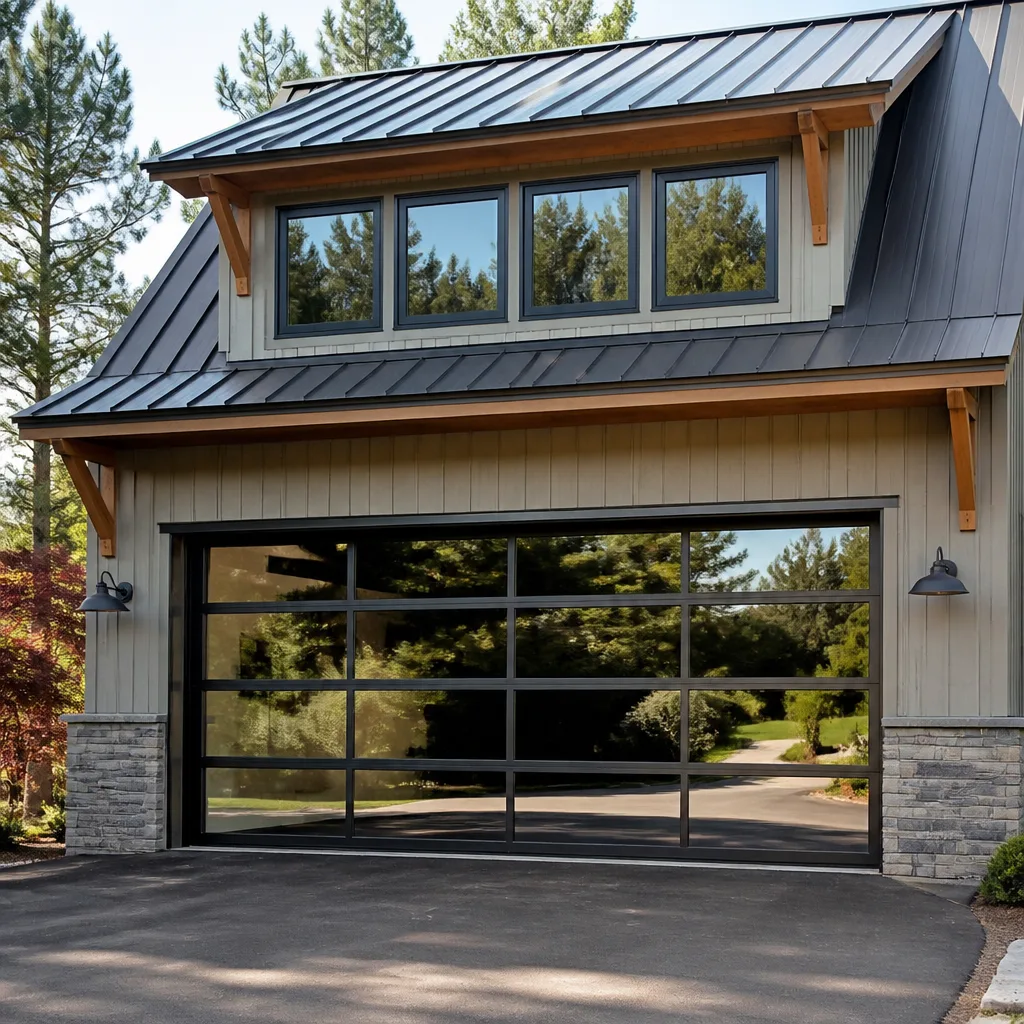 Full-view glass
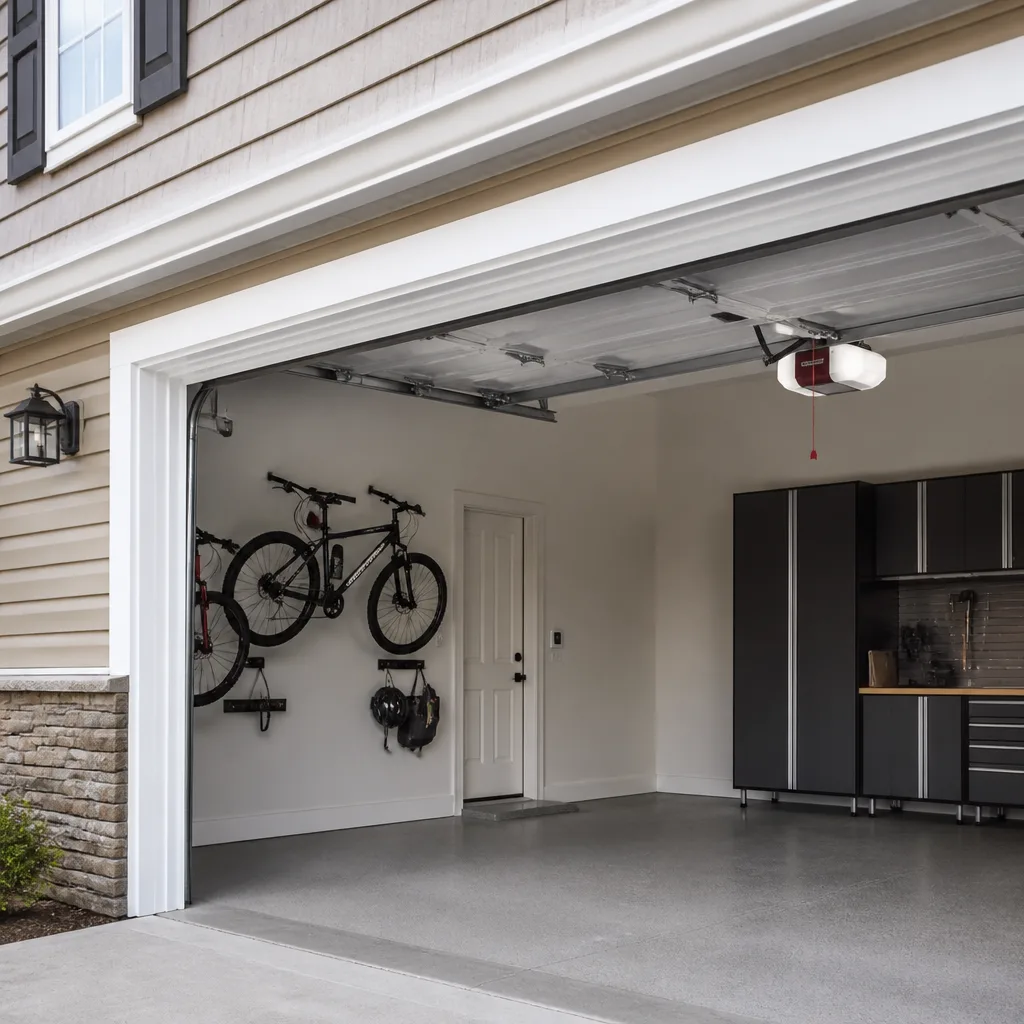 LiftMaster openers
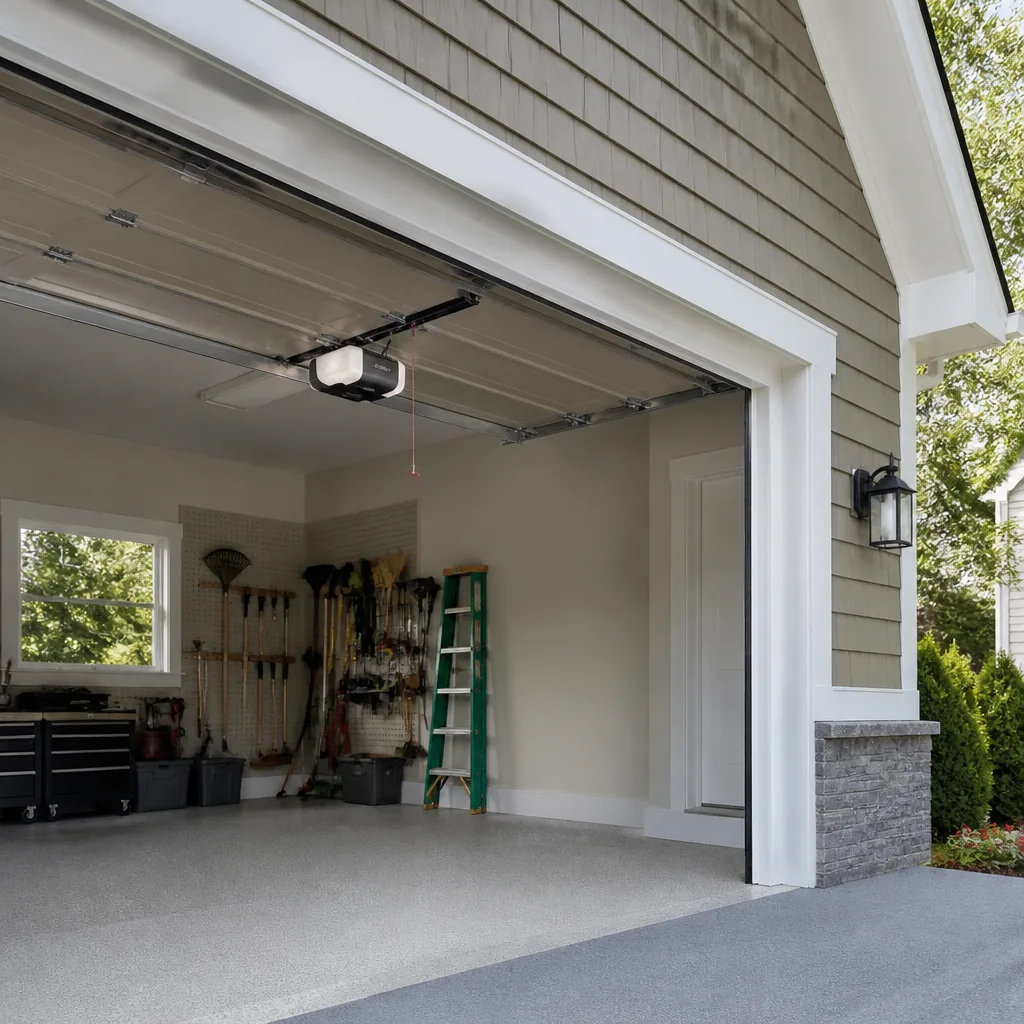 Chamberlain openers
Full 25-point door and opener safety check with every visit - springs, cables, rollers, tracks, and your LiftMaster or Chamberlain opener included
You get a price before we start. It does not change when the pro arrives.
Get your free estimateDIY vs Professional Garage Door: The Shoreline Homeowner’s Decision Guide
Torsion springs store enough mechanical energy to send a winding bar through a wall. That’s not a scare tactic; it’s the physics of the thing. The DIY-versus-professional question for garage doors gets framed as a skill test, but that framing misses the point. Some tasks are genuinely safe for a careful homeowner with a Saturday free. Others involve components under hundreds of pounds of stored tension, and no amount of video-watching changes what happens when that tension releases wrong. This guide gives you a clear task-by-task split, the real cost math behind DIY, and the diagnostic problem that trips up more homeowners in Shoreline than any repair itself.
Quick Answer
Lubrication, photo-eye alignment, and remote or keypad programming are safe DIY tasks. Spring replacement, cable work, and anything involving the opener’s drive system belong with a trained technician. In Shoreline, the deciding factor isn’t confidence; it’s whether the component stores dangerous energy. When it does, physics overrules skill.
Styles & brands we work with
- Raised-panel steel
- Carriage house
- Modern flush
- Full-view glass
- LiftMaster openers
- Chamberlain openers
Table of Contents
- The Task-by-Task Split: What You Can Safely Do
- Stored Energy: Why Springs and Cables Are Different
- Opener Drive Systems: Where DIY Gets Gray
- The Real Cost Math: When DIY Saves and When It Costs More
- The Diagnostic Problem: Identifying What’s Actually Broken
- Washington State Liability and Permit Implications
- Shoreline Climate and Door Wear
- Common Mistakes to Avoid
- When to Call a Professional
- Frequently Asked Questions
The Task-by-Task Split: What You Can Safely Do
The injury threshold for garage door work runs along a clean line: below it are tasks that involve no stored torsion or high-tension cable energy, and above it are tasks that do. Knowing where each job falls is the whole decision.
Here’s the honest breakdown of what a homeowner can handle safely and what should go to a technician.
Safe to Do Yourself
- Lubrication. Hinges, rollers, tracks, and springs benefit from a garage-door lubricant a couple of times a year. It’s quiet work with no stored-energy risk.
- Photo-eye alignment. The safety sensors near the floor need to face each other and stay clear. Nudging them back into alignment is a legitimate DIY job.
- Remote and keypad programming. Pairing a new remote or reprogramming a keypad code is a menu-and-buttons task, not a mechanical one.
- Track cleaning and visual inspection. Wiping down the tracks and looking for bent sections, loose brackets, or fraying cables is worth doing regularly.
- Weather seal replacement. The rubber strip along the bottom of the door is a straightforward swap on most models.
Belongs With a Professional
- Torsion and extension spring replacement. Springs are under the heaviest load of any component. This is the single most dangerous job in the trade.
- Cable repair or replacement. High-tension cables work as a pair with the springs, and cutting one wrong can whip it across a garage.
- Opener drive system repair. Gear assemblies, belts, chains, and logic boards involve electrical components and motor disassembly.
- Panel and section replacement. Track alignment, panel weight, and structural brackets all have to line up exactly or the door binds.
We’ve helped many Shoreline homeowners sort exactly this question when a door stops working. The split isn’t about how handy you are. It’s about what the job involves.
Stored Energy: Why Springs and Cables Are Different
A torsion spring on a standard residential door holds enough stored force to lift a door that weighs well over a hundred pounds. When the spring is wound, that force is waiting to release. Winding or unwinding one requires the right bars, the right technique, and a firm understanding of what happens if a bar slips.
The danger isn’t theoretical. Springs snap; bars slip; cables under tension let go. Professional technicians work with these daily and still respect the force involved. The barrier for a homeowner isn’t intelligence or even mechanical aptitude. It’s that the component doesn’t care how careful you are.
Three things make springs and cables a professional job:
- Stored energy release. A tensioned spring or cable releases its force instantly and without warning. There’s no slow-failure mode to give you time to react.
- Tool precision. Winding bars are sized to the spring diameter. The wrong size or a worn bar slips under load, and the result can be severe.
- Matched tension. Springs are sized to the door’s weight, and cables must balance with them. Getting the pairing wrong means the door operates unevenly, wears faster, and can fail again within months.
If a spring snaps, the door becomes unusable and staying out of the way matters. That’s why garage door spring repair is the one category we never recommend a homeowner attempt, no matter how confident they feel. Trained technicians know the tooling, the sizing, and the sequence. The same physics applies throughout Shoreline whether you’re off Aurora Avenue or tucked back toward Richmond Beach.
Opener Drive Systems: Where DIY Gets Gray
Openers feel more approachable than springs. They plug in, they hum, and the components are smaller. That feeling is misleading in a specific way: the risk isn’t stored mechanical energy; it’s electrical work, motor disassembly, and the diagnostics that tell you which part actually failed.
Openers from Genie and LiftMaster are common across Shoreline garages, and each brand has its own diagnostic behavior. A door that reverses immediately can be a sensor, a limit switch, a logic board, or a mechanical bind. Guessing wrong means buying a part you didn’t need and still having a broken door.
What falls where:
- Safe: changing the remote battery, reprogramming a remote, realigning safety sensors, adjusting the force setting by the manual.
- Gray: replacing a belt or chain if you’re comfortable with the tensioning instructions specific to your model.
- Professional: gear and sprocket replacement, logic board swaps, motor capacitor replacement, and full opener replacement.
When a door refuses to move and the car’s boxed in, garage door opener repair covers the diagnostic and repair work in one call. A technician who works on your specific brand arrives already familiar with how that opener fails and what to check first.
The Real Cost Math: When DIY Saves and When It Costs More
DIY saves money on lubrication, sensors, remotes, and seals. It rarely saves money on springs, cables, or openers, because a botched repair often costs more to correct than the original professional call would have. That’s the honest math.
Here’s how the two paths compare on a typical spring job:
- Professional spring repair: a torsion spring replacement typically runs a few hundred dollars per spring, with a matched pair usually replaced together at roughly double that. The written estimate sets the final price before any work begins.
- DIY attempt: winding bars, a spring matched to the door weight, and time. If the spring size is wrong or the tension is off, the door binds, wears the opener, or the spring fails again. Then the professional call happens anyway, plus the cost of parts you can’t return.
A homeowner who decides to replace a single torsion spring buys bars, the spring itself, and then often calls a technician anyway after a stuck door or a wrong-size spring arrives. The savings evaporate fast, and the risk along the way was the real cost. The same logic holds for cables and opener drive systems.
Where DIY genuinely wins: a $15 tube of lubricant, a new photo-eye bracket, a bottom seal. Those jobs are simple, low-risk, and a professional visit for them wouldn’t pencil out. Our advice in Shoreline is consistent: DIY the light work, and let a professional handle anything with stored tension or motor disassembly. The written estimate is agreed before any work starts, so there’s no surprise invoice after the fact.
The Diagnostic Problem: Identifying What’s Actually Broken
Here’s the part most DIY guides skip: the hardest step in garage door repair isn’t the repair. It’s correctly identifying what needs repairing. A door that won’t close can have a misaligned sensor, a binding track, a failing opener, a snapped spring, or a limit switch out of adjustment. Each has a different fix and a different cost.
Common symptoms and what they usually point to:
- Door reverses immediately after touching the floor. Often the limit switch or the force setting, sometimes a sensor issue.
- Door opens a few inches and stops. Frequently a spring or cable problem, or an opener failing under load.
- Door is heavy to lift by hand. Springs are past their service life or one has snapped.
- Door runs but the opener motor hums without moving it. Gear or drive assembly failure.
- Door binds and grinds on one side. Track damage or a roller that’s come out of the channel.
This is where brand familiarity pays off. A technician who works on Clopay and Wayne Dalton doors regularly knows how those panels and hinges behave, and arrives with a shorter path to the right diagnosis. That cuts down on return visits. Getting the diagnosis wrong, whether DIY or professional, is what turns a small repair into a big one, and it’s the single most common reason a second call happens.
Washington State Liability and Permit Implications
What happens when an unpermitted DIY repair causes a problem is a question more homeowners should ask before picking up a wrench. In general terms, several things can follow from a failed repair.
Property damage comes first. A failed spring, a dropped door, or a bent track can damage the door, the opener, the vehicle underneath, or the structure of the garage. Homeowner’s insurance may cover some of this, but the specifics depend on your policy, and a claim can affect future premiums.
Injury liability is the more serious issue. If a family member or a visitor is hurt by a door that was improperly repaired, the exposure can be significant. The homeowner carries that risk personally.
Resale is the third piece. A garage door that was modified or repaired without records can become a question at inspection time, and local building departments set their own rules about what requires a permit. Shoreline homeowners should ask the city’s building department directly if a planned project involves structural changes or a new door installation rather than guessing.
The clean way through all of this: hire a state-licensed, insured and bonded professional for structural or high-tension work, keep the paperwork, and let the written estimate document the scope. A pro’s records protect you in a way a weekend project can’t. If you’d rather compare the repair route against the installation route, that’s a separate decision worth its own look.
Shoreline Climate and Door Wear
Shoreline’s wet, mild climate shapes how garage doors wear and which repairs come up most often. Understanding the local pattern helps you decide when DIY is worth it and when it isn’t.
Moisture drives much of it. Damp air around the Puget Sound region works on hinges and rollers, and a door that isn’t lubricated regularly will start to squeal and bind as metal parts lose their protective coating. That’s a strong case for DIY lubrication twice a year; it’s the single best piece of preventive maintenance a Shoreline homeowner can do.
Wood components take on moisture. A wood door or wood frame can swell and stick during the rainy stretches. Doors near the water in Richmond Beach and along the western edge of Shoreline see more humidity than inland parts of the city, and their seals and weather-stripping need replacing more often.
Seasonal temperature swings are mild here, which is good news; metal doors don’t expand and contract as dramatically as they do in colder or hotter regions, so panel warping and track misalignment from heat or frost are less common. The main seasonal risk is wind, which can stress brackets and tracks. After a strong windstorm, a visual check of the tracks and brackets is a reasonable DIY inspection. If the door hangs unevenly or won’t close flush, that’s a sign to call.
What you won’t find in Shoreline is the salt-air corrosion of a coastal town or the hail damage of the plains. Our local door problems come from rain, humidity, and general wear, not extremes. Treat any storm or impact damage the same way: inspect it, and if it affects the door’s structure or operation, call for garage door repair rather than force a fix.
Common Mistakes to Avoid
- Winding a spring without the right bar. A screwdriver or the wrong-sized winding bar can slip under load. There’s no recovery window if it does, which is why springs belong with trained hands.
- Ignoring a snapped spring and running the opener anyway. The motor will try to lift the entire door weight and quickly burn out. In Shoreline’s climate, a door with a dead spring is one strong wind away from worse damage.
- Buying an opener as a first step. A door that won’t move is more often a spring, cable, or track problem than an opener problem. Guessing means a new opener that doesn’t fix the issue.
- Disconnecting the safety sensors to make a door close. It’s a common quick “fix” and it removes the one feature that stops the door from crushing something in its path. Realign the sensors or replace them; never disable them.
- Skipping lubrication because the door sounds fine. Quiet today usually means the wear is invisible. Regular lubrication in our damp climate is the difference between a hinge that lasts and one that seizes.
- Attempting a full panel replacement to save a call. Panel weight and track alignment have to be exact. A misaligned panel binds, grinds the rollers, and can eventually damage the tracks.
- Repairing a high-tension cable without understanding the tension. Cables work with the springs and can whip across the garage when released wrong. This is a job that should never start without proper tools.
When to Call a Professional
Call a professional when any component under stored tension is involved: a snapped or sagging spring, a frayed or broken cable, a bent track, or a door that won’t balance or close flush. Call when the opener hums but nothing moves, when the door reverses on its own, or when the diagnostic path isn’t obvious. Those are the cases where a wrong guess wastes money and risks safety. A door that’s come off its track is a professional call, and a door that’s heavy to lift by hand almost always means springs past their service life. Nobody should be lifting a door past its stored tension to force it closed.
Shoreline Garage Door Repair Pros offers free estimates in Shoreline. Call (877) 792-6114 and we’ll diagnose the actual problem rather than replace the wrong part. Estimates are free, and the price you agree to before work starts is the price you pay.
Frequently Asked Questions
No, not safely. Torsion and extension springs store hundreds of pounds of force, and a wrong-sized bar or a slip under load can cause severe injury. Spring replacement belongs with a trained technician using the right tools and sizing for your door. If your door has a snapped spring, call (877) 792-6114 for an estimate.
A torsion spring replacement typically runs a few hundred dollars per spring, and a matched pair is usually replaced together at roughly double that. The written estimate sets the final price before any work begins, so the quote you get is the amount you pay. Call for an exact estimate; estimates are free.
Lubrication, photo-eye alignment, remote and keypad programming, weather seal replacement, and visual inspections are all safe for a careful homeowner. Anything involving springs, cables, opener drive systems, or panel and track replacement should go to a trained professional. The dividing line is stored energy and motor disassembly.
Yes, in most cases. We offer same-day service and fast dispatch from 7am to 7pm, Sunday through Friday. Call (877) 792-6114 and we’ll confirm availability for today.
We’re closed Saturday. Our crews are dispatched Sunday through Friday, 7am to 7pm, and someone answers the phone 24/7 so you can book the next opening.
We’re certified to service eight leading brands: LiftMaster, Chamberlain, Genie, Clopay, Amarr, Wayne Dalton, Craftsman, and Raynor. Brand familiarity means we already know how your equipment fails and what to check first, which shortens the diagnostic path and cuts down on return visits. Call (877) 792-6114 with your brand and we’ll tell you what to expect. Shoreline Garage Door Repair Pros handles repair, opener repair, spring repair, and full installation under one roof.
See the difference
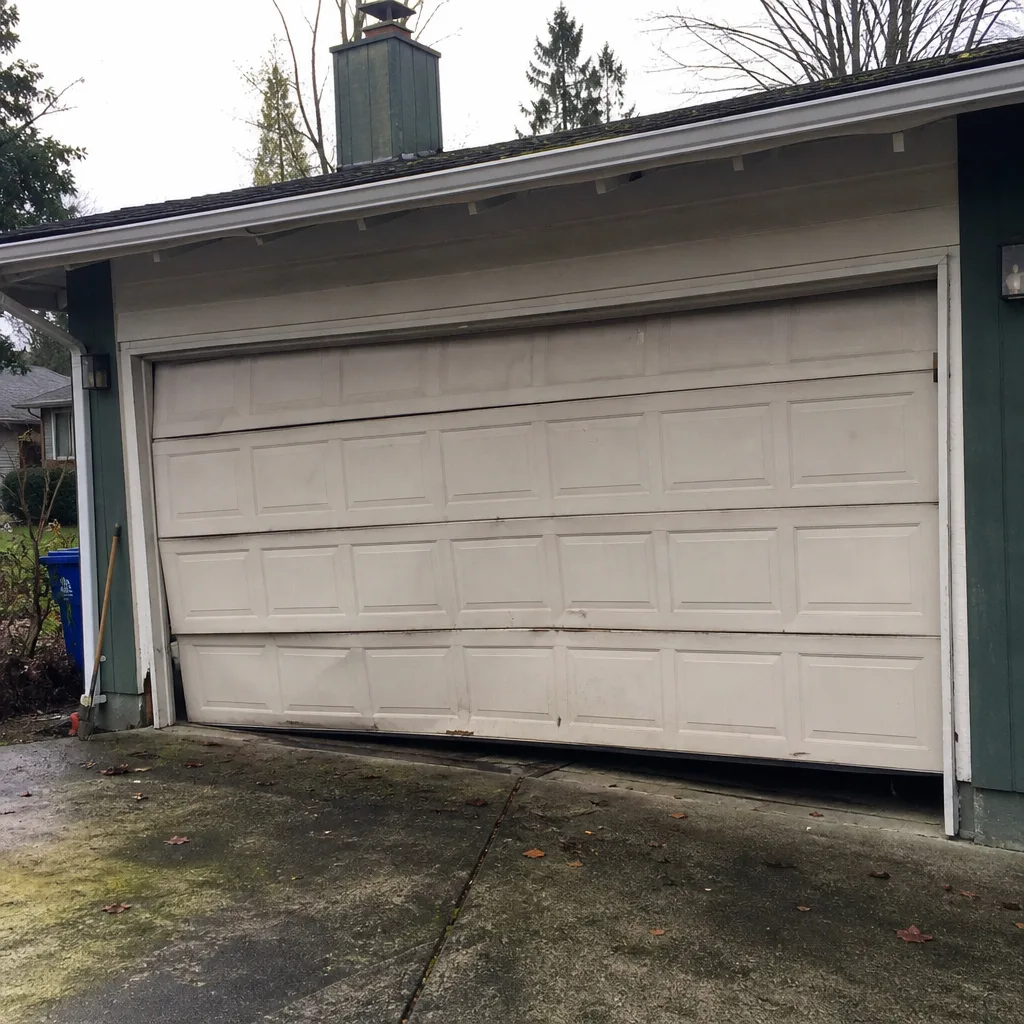 Before
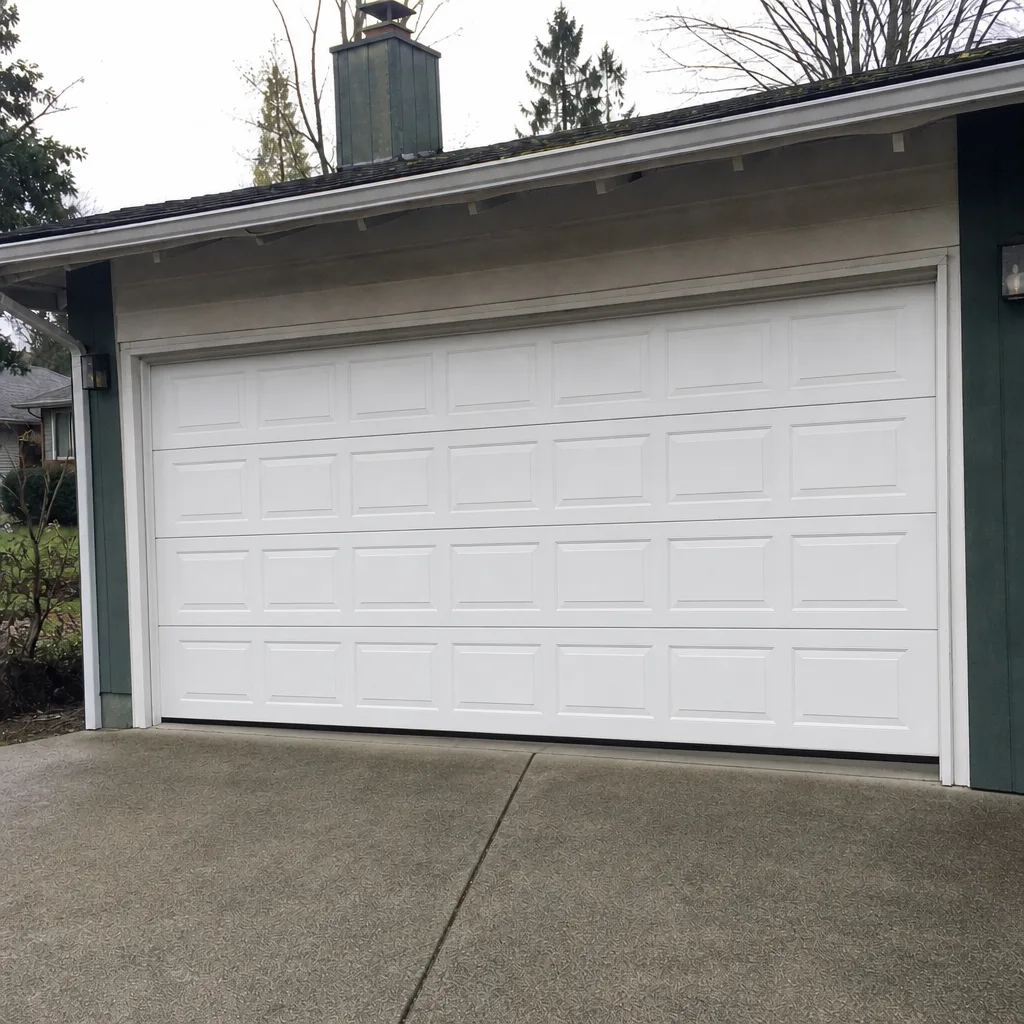 After
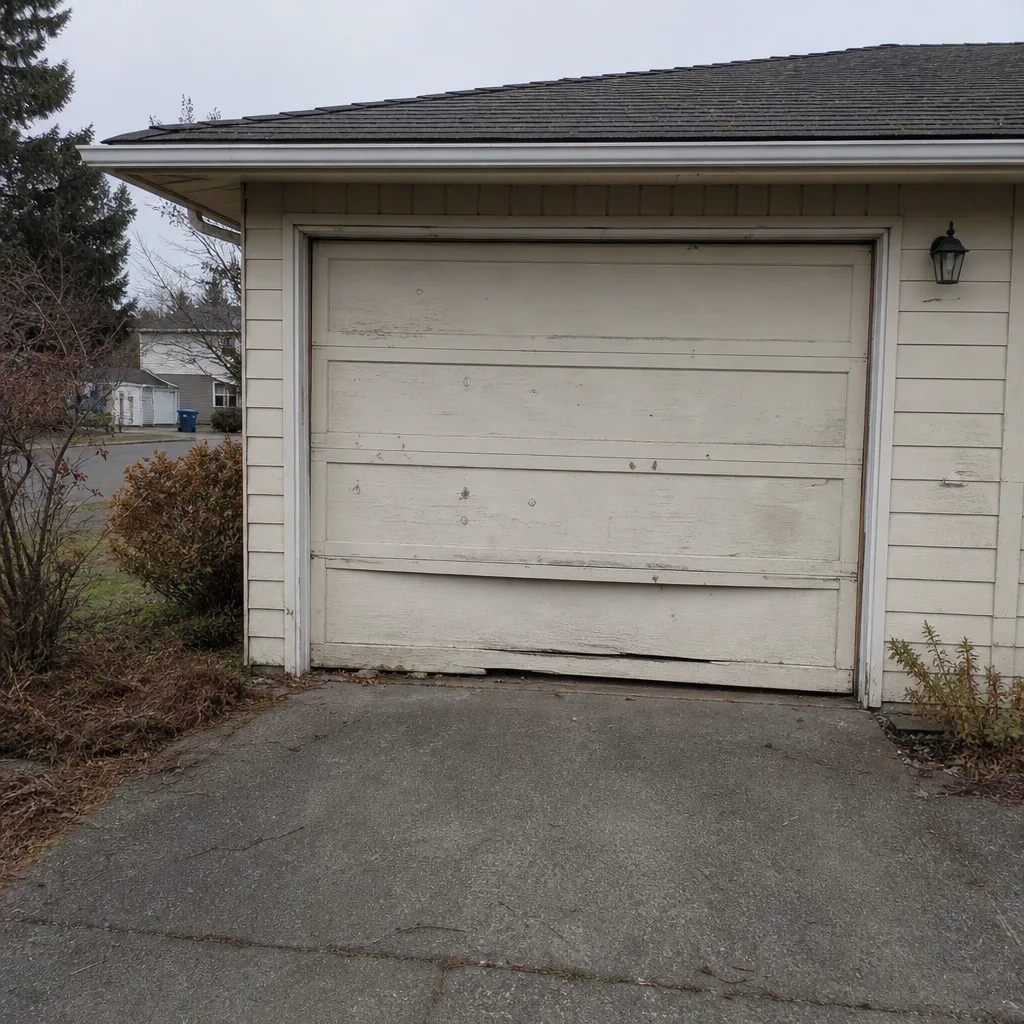 Before
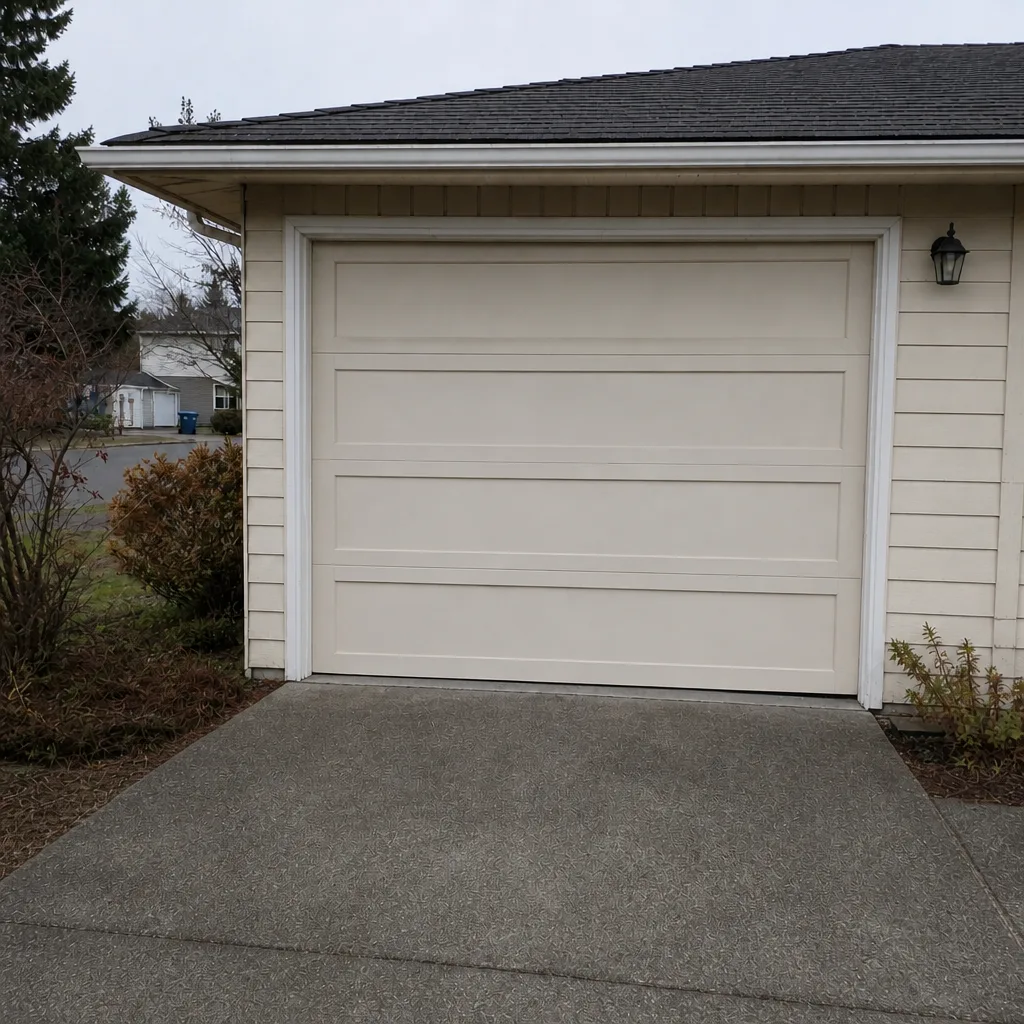 After
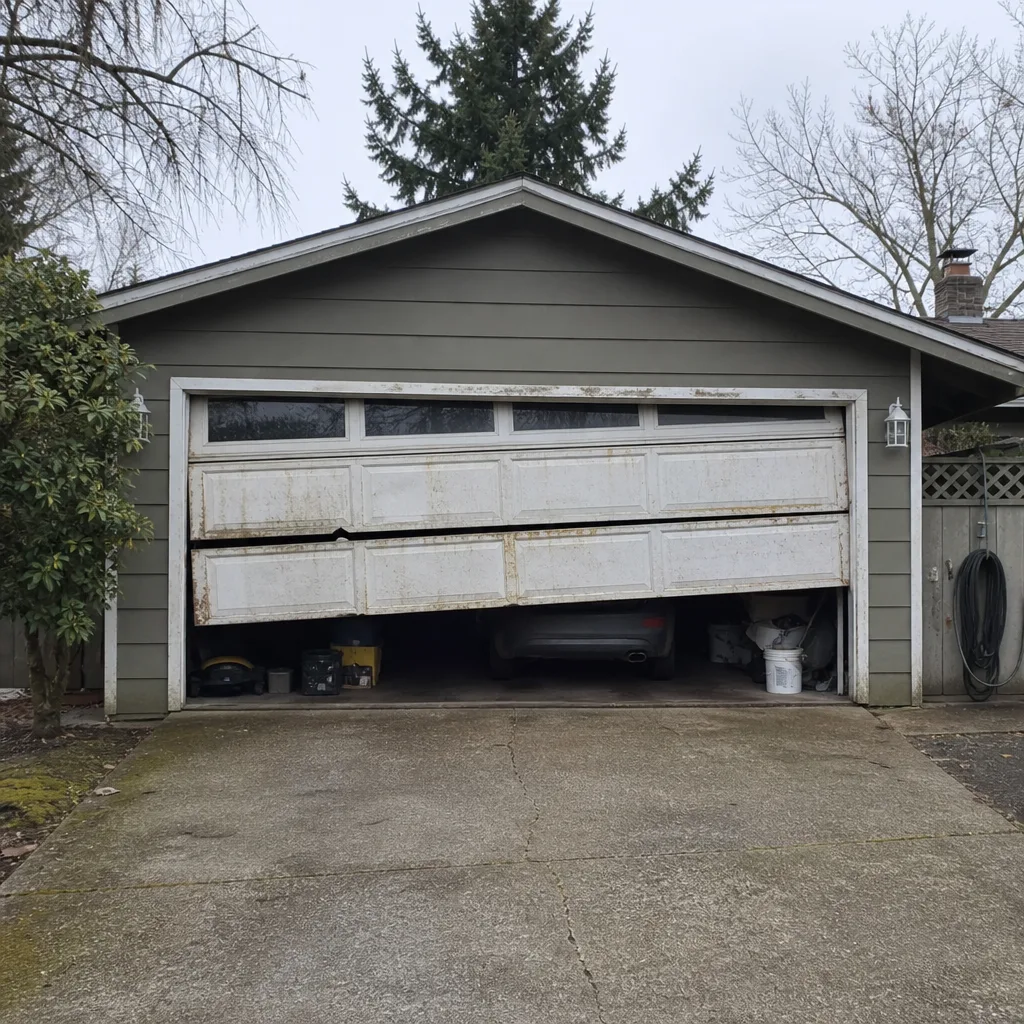 Before
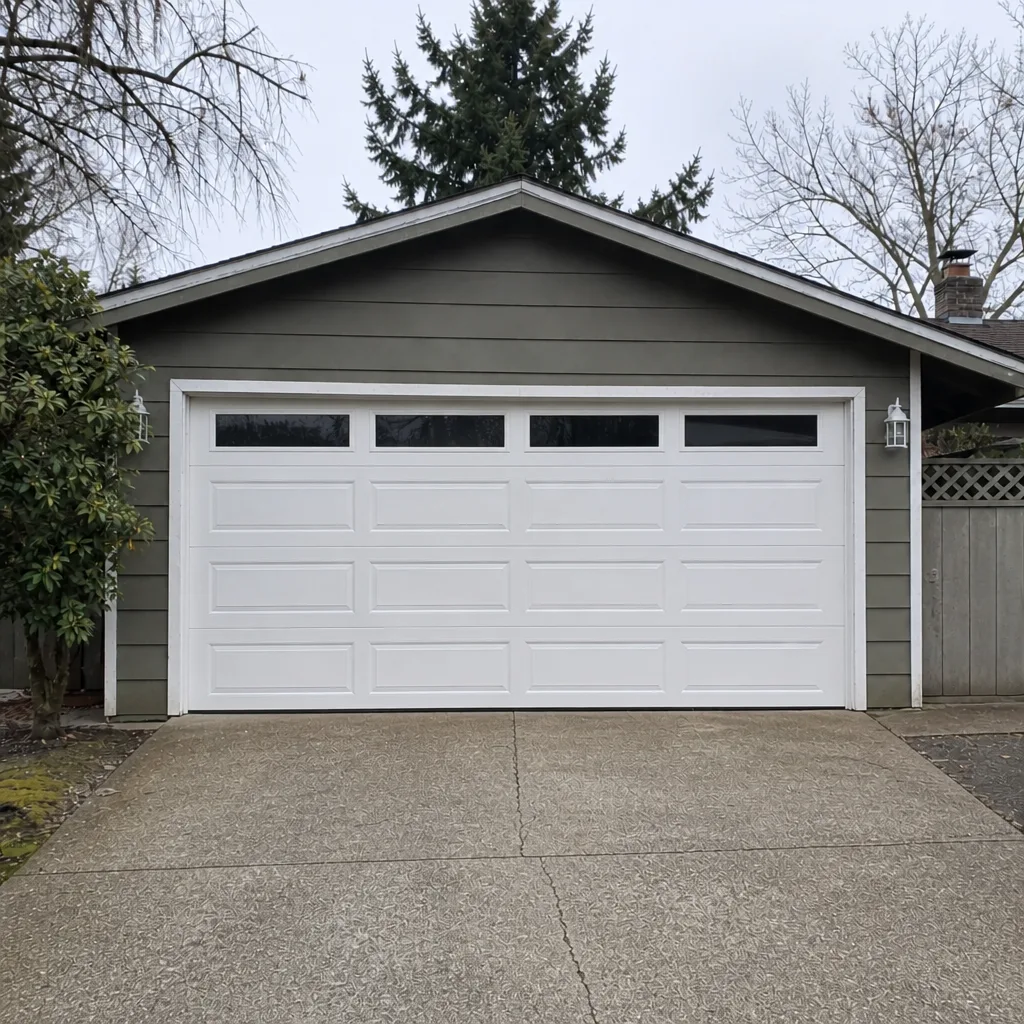 After
The Bottom Line
Lubrication, sensors, remotes, and seals: do them yourself. Springs, cables, opener drive systems, and panels: hand them to a professional. The line isn’t about how handy you are; it’s about stored energy and electrical risk. The real cost math backs this up, because botched spring and opener work almost always ends in a second professional call plus the parts you can’t return. Shoreline’s damp climate matters too: regular lubrication prevents the wear that leads to most repairs, and Pacific Northwest rain and humidity drive enough door problems without adding DIY risk. If a high-tension component is involved, call. A free estimate costs less than a mistake.
Contact Us for a Free Estimate
Whether you’ve snapped a spring, pulled a cable, or can’t figure out why the door won’t close, we’ll diagnose the actual problem and give you a written price before any work begins. Call (877) 792-6114 for a free estimate. We answer 24/7. Fast dispatch from 7am to 7pm, Sunday through Friday, and we’re closed Saturday. Shoreline Garage Door Repair Pros handles repair, spring repair, opener repair, and full installation for the eight brands we’re certified to service. One call, the right diagnosis, and a written estimate you can count on. Learn more about who we are and what we do at Shoreline Garage Door Repair Pros.
Written by the team at Shoreline Garage Door Repair Pros.