
Last updated November 23, 2026
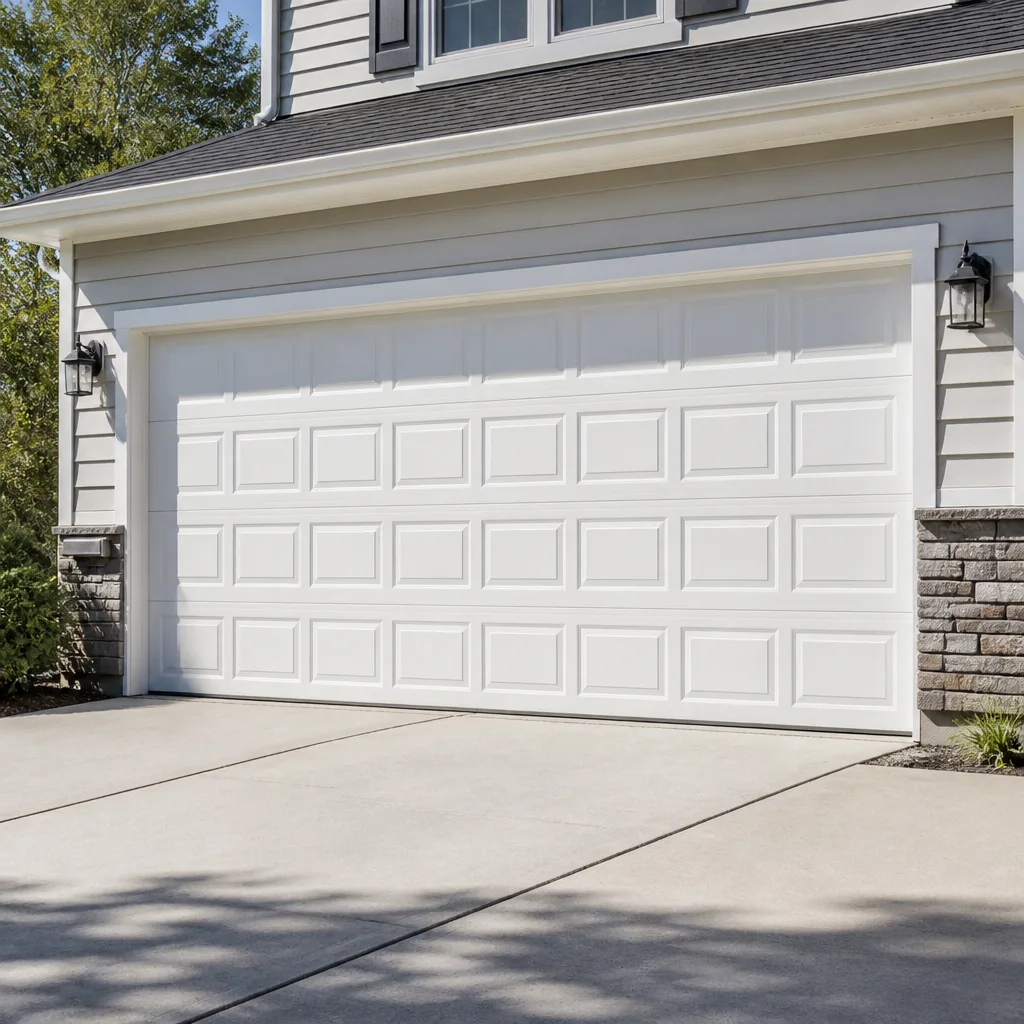 Raised-panel steel
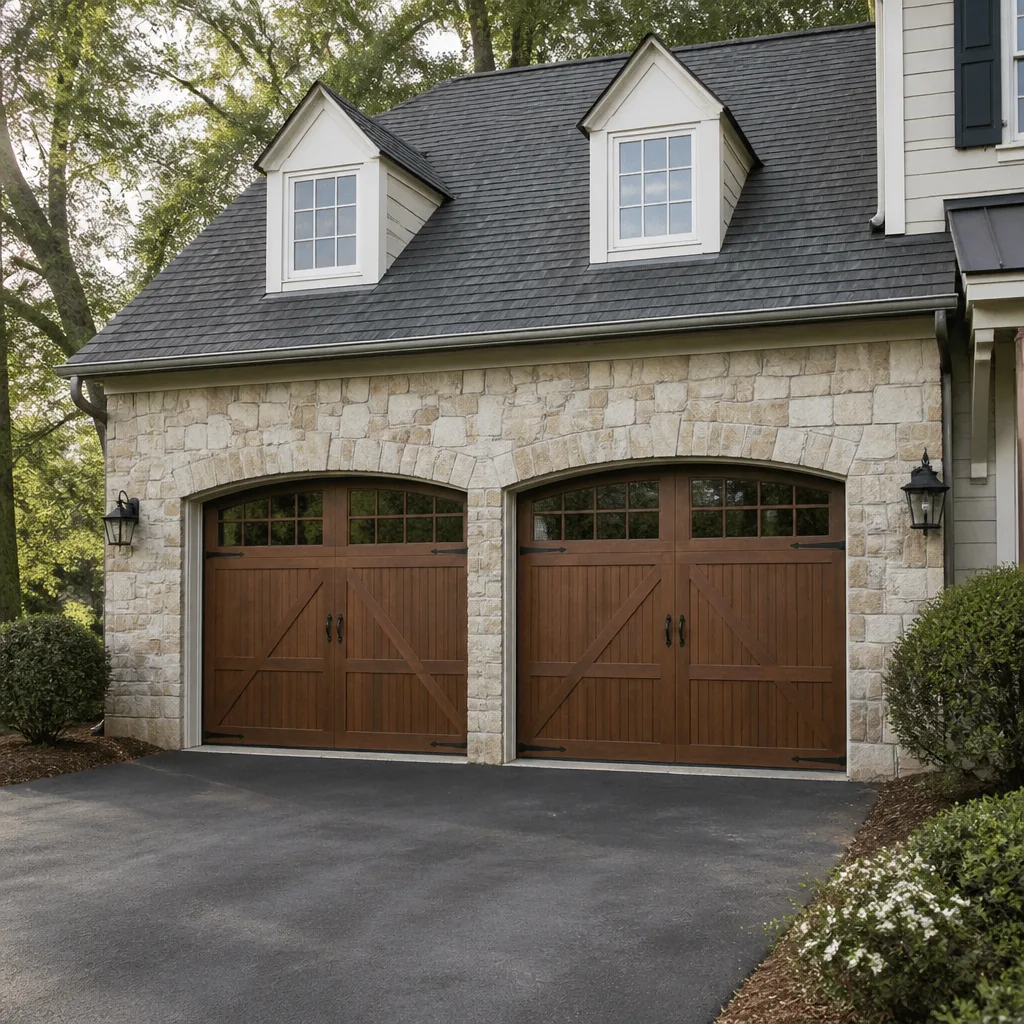 Carriage house
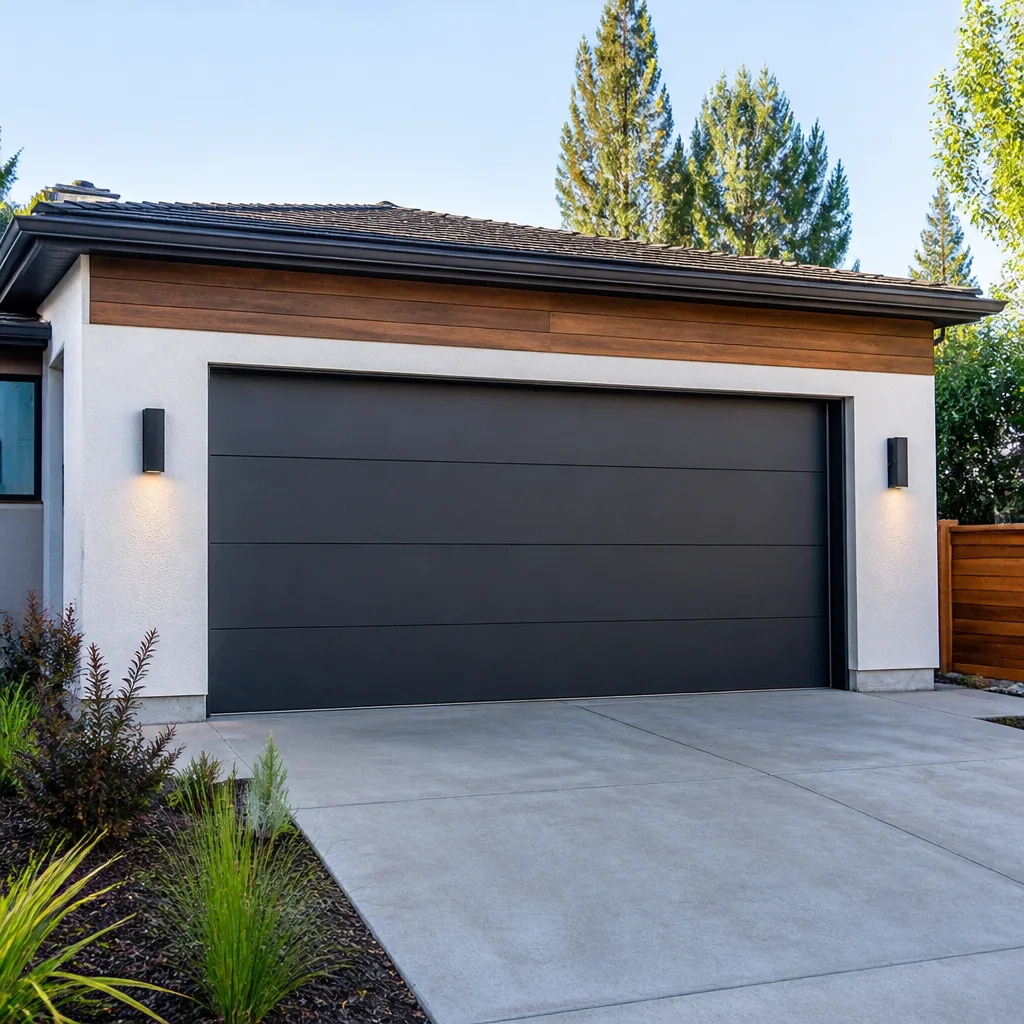 Modern flush
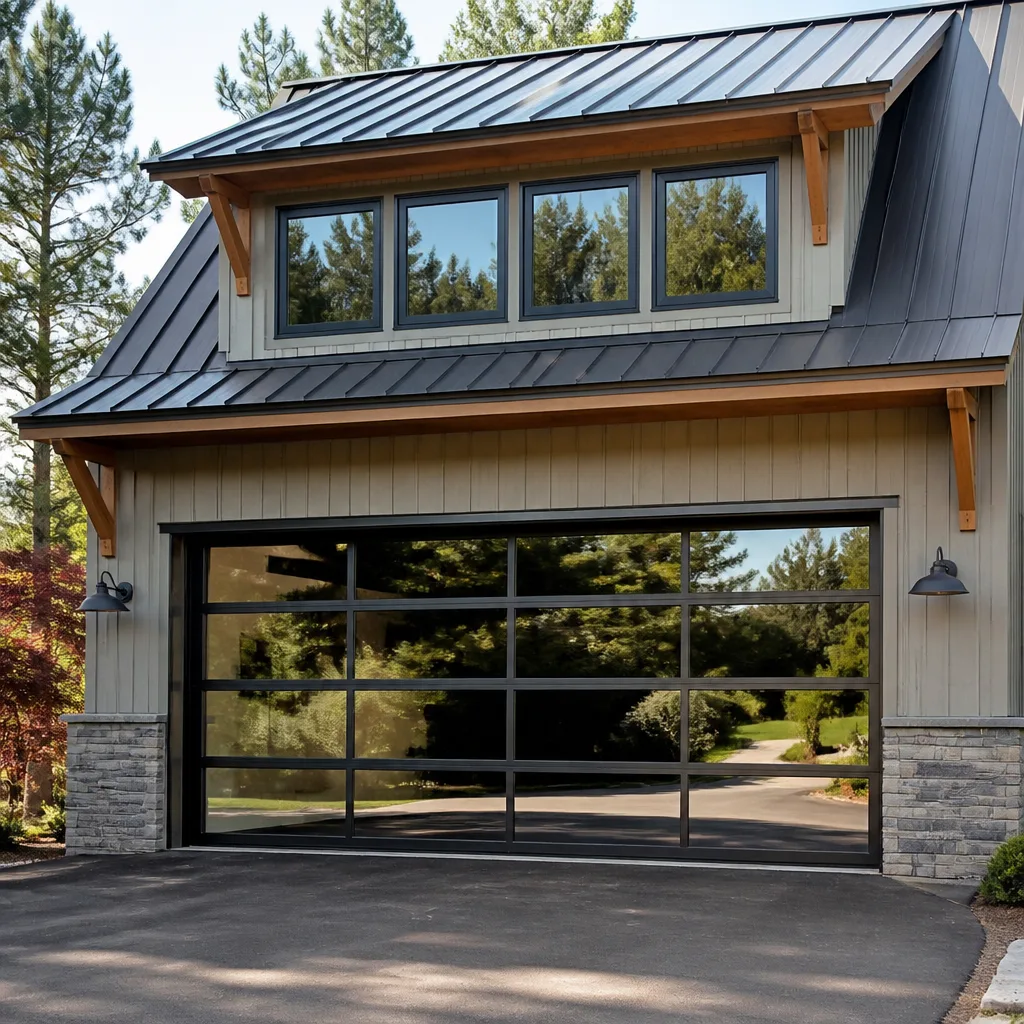 Full-view glass
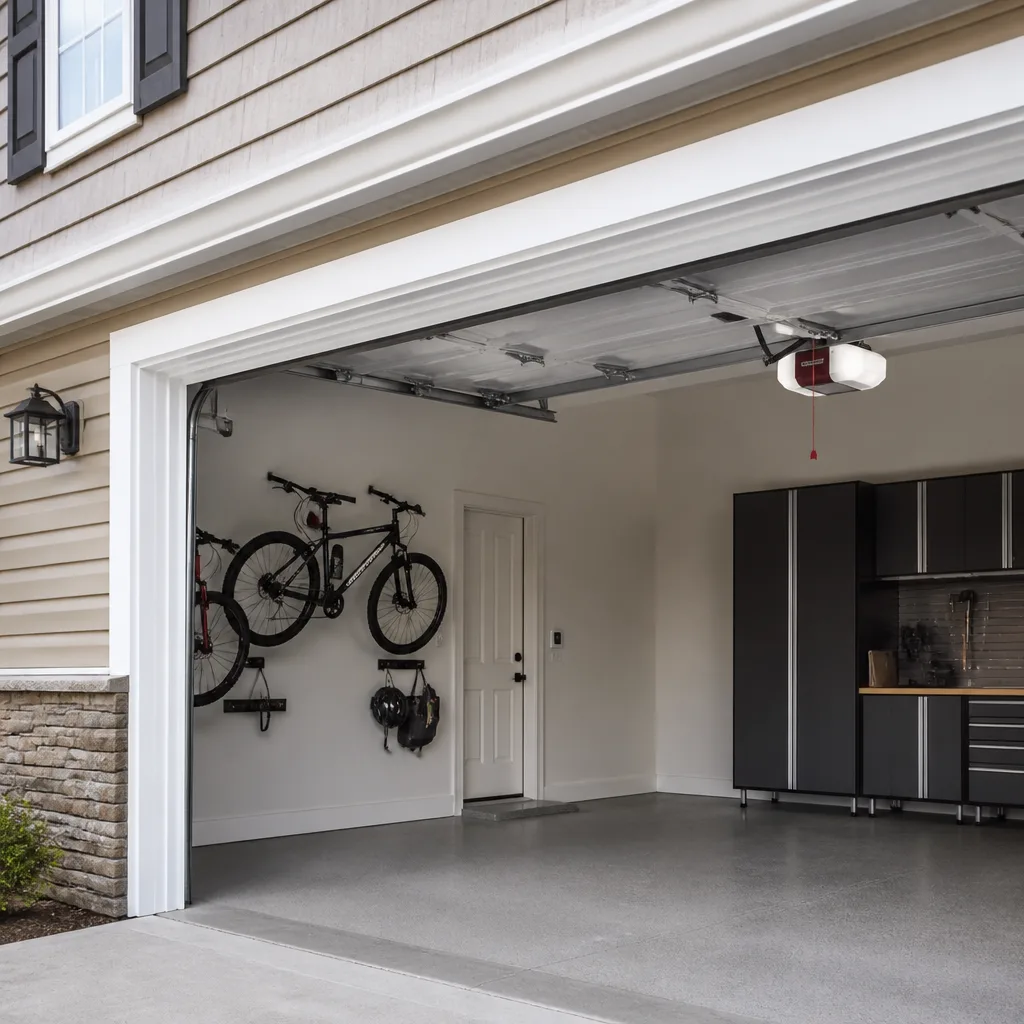 LiftMaster openers
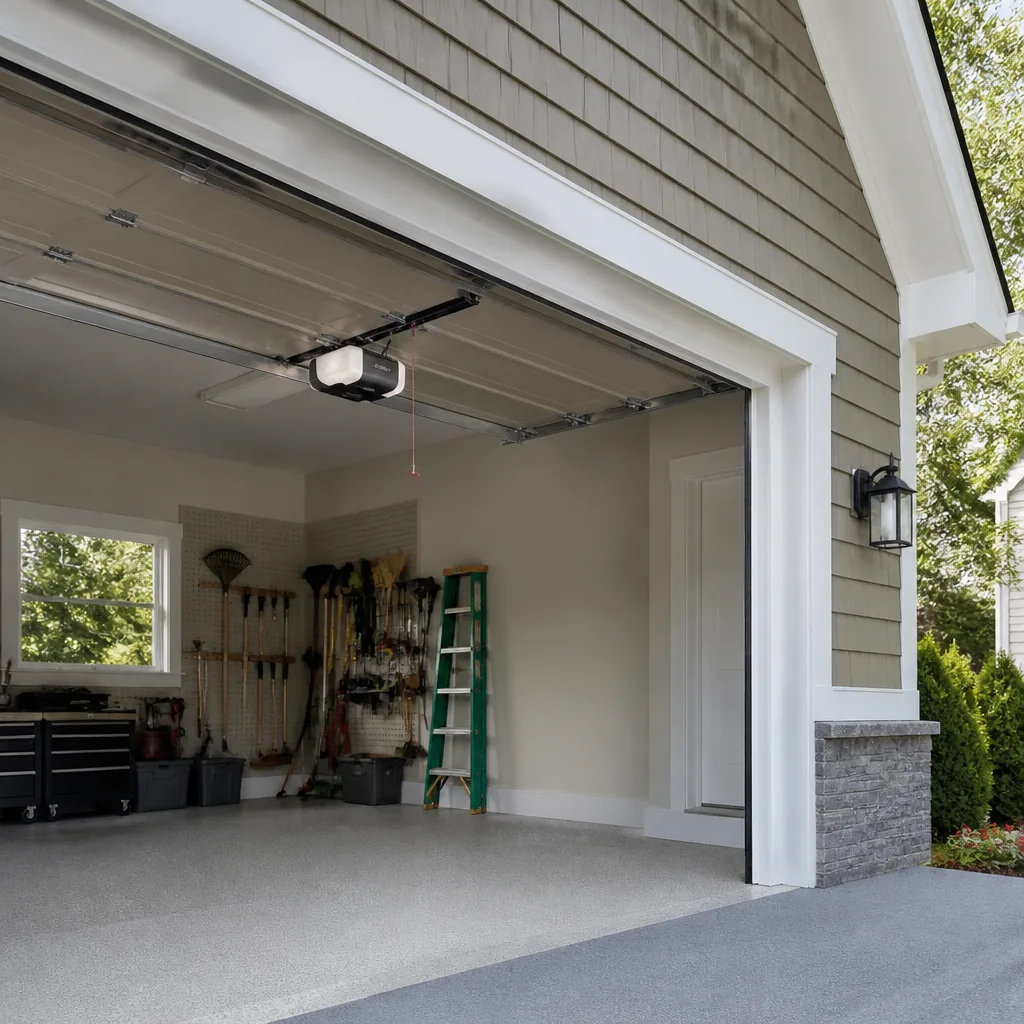 Chamberlain openers
Full 25-point door and opener safety check with every visit - springs, cables, rollers, tracks, and your LiftMaster or Chamberlain opener included
You get a price before we start. It does not change when the pro arrives.
Get your free estimateGarage Door Permits, Codes & Inspections in Shoreline, WA: What You Need to Know
Most homeowners in Shoreline assume garage door work is permit-free. For repairs, they’re mostly right. A snapped spring, a dead opener, a bent track, a worn roller – none of that needs a permit, and you don’t have to file anything with the City of Shoreline to get it fixed. But a full door replacement, or any change to the structural opening the door sits in, is a different animal entirely. That’s where the assumption gets expensive, particularly at resale and particularly in a housing market that scrutinizes energy compliance the way Washington’s does. This guide walks through exactly which garage door work needs a permit in Shoreline, which doesn’t, how the state code interacts with city zoning for garages, and what insulated versus non-insulated replacements mean for inspections. We’ll also cover what “like-for-like” really means in legal terms and where unpermitted work shows up when you sell.
Quick Answer
In Shoreline, routine garage door repairs – springs, openers, cables, panels, rollers, tracks – are exempt from permit requirements. A full garage door replacement generally requires a building permit, and replacing a door in a heated or attached garage also triggers Washington State energy code compliance for the door’s U-factor and the way it seals against the opening. Structural modifications to the garage opening or header almost always require a permit and often a design review. When in doubt, call the City of Shoreline’s building department before any work starts, because the permit question is a code question, not a contractor preference.
Styles & brands we work with
- Raised-panel steel
- Carriage house
- Modern flush
- Full-view glass
- LiftMaster openers
- Chamberlain openers
Table of Contents
- Repair vs. Replacement: What Needs a Permit in Shoreline
- How Washington State Building Code Meets City of Shoreline Zoning
- Energy Code: Insulated vs. Non-Insulated Door Replacements
- What “Like-for-Like Replacement” Really Means
- Structural Changes and When They Require a Permit
- What the Inspection Actually Checks
- How Unpermitted Work Shows Up at Sale
- The Permit Process, Step by Step
Repair vs. Replacement: What Needs a Permit in Shoreline
The simplest way to think about permits for garage doors in Shoreline is to draw a line between “repairing what’s there” and “changing what’s there.” Repair work – the kind that keeps the door in its existing opening with its existing size, its existing frame, and its existing header – doesn’t trigger a permit. Replacement work is where the line blurs, and replacement plus structural change is where the permit is non-negotiable.
Here’s how we break it down for homeowners who call us asking whether they need to file anything:
- No permit typically required: spring repair or replacement, opener repair or replacement, cable replacement, roller replacement, hinge replacement, track adjustment, panel replacement in the same opening, weatherstripping, and general tune-ups.
- Permit typically required: full door replacement (removing the old door and installing a new one in the same opening), installing a door where there wasn’t one before, enlarging or shrinking the opening, changing from a single door to a double door, changing from a sectional door to a rollup or vice versa, and any alteration to the header, jambs or framing around the opening.
- Permit plus possibly design review: converting a garage into living space, changing the garage’s footprint, or altering the structure in a way that affects the building envelope or egress.
We get asked this in every Shoreline neighborhood – Richmond Beach, Echo Lake, Ridgecrest, Meridian Park – and the answer doesn’t change by neighborhood. What changes is the age and construction of the home. Mid-century homes in Shoreline often have garage openings that were built to older framing standards. If you’re replacing a door in one of those, the contractor should check the header and jamb condition first, because even a “same size” replacement sometimes reveals framing that needs correction, and that correction is where the permit conversation really starts. When we handle garage door repair for a customer who ends up needing a full replacement, we walk them through the permit question before they sign anything.
The trap homeowners fall into is assuming the City of Shoreline cares only about structural work. It doesn’t. A door replacement can be structurally trivial and still require a permit because of energy code and egress compliance, particularly when the garage is attached to the house and conditioned.
How Washington State Building Code Meets City of Shoreline Zoning
Shoreline adopts the Washington State Building Code, and that’s the framework the city’s building department actually applies. The state code sets the technical requirements for construction, and the city’s zoning code sets the requirements for how the garage sits on the lot, what it can look like, how big it can be, and how it interacts with setbacks, lot coverage, and the surrounding neighborhood. Garage door work touches both. That’s why the permit process in Shoreline often involves two reviews, not one.
The state building code question is: does the work comply with the current code for structure, safety, energy, and egress? The city zoning question is: does the work fit the site’s zoning, including height, setback, and lot coverage rules? Those questions get answered together during permit review. In our experience, most of the confusion around garage door replacement in Shoreline comes from treating them as one question when they’re two.
Practical implications for homeowners:
- Your lot’s zoning matters. A garage door replacement in a single-family zone in Shoreline follows one set of review rules. The same work on a property with a different zoning designation may follow a different review track.
- Setbacks and lot coverage are part of the conversation. Even a same-footprint replacement can trigger a review if the garage was originally built closer to a property line than current zoning allows.
- The building department is the authority. We can help you understand the state code requirements for the door itself, but the city is the only one who can tell you definitively what your property requires. Call them. It’s a free conversation that saves a lot of stress down the line.
The city’s zoning and building code pages are the reference documents you want. They’re dry reading, but they’re the documents an inspector will actually reference when they walk your property. When a homeowner tells us “the contractor said no permit needed,” we always ask which contractor, and whether they spoke to the city. We’ve seen plenty of cases where a contractor skipped the permit because they didn’t want to file, not because the work was exempt.
Energy Code: Insulated vs. Non-Insulated Door Replacements
Washington’s energy code treats the garage door as part of the building envelope, and that matters most when the garage is attached to a conditioned house. An insulated garage door replacement – specifically, one in a heated or semi-conditioned space – has to meet the code’s requirements for thermal performance and air sealing. A non-insulated door replacement in a detached, unconditioned garage skips most of that. The practical difference is a permit review that includes energy compliance on one hand and a simpler review on the other.
What that means for a Shoreline homeowner is straightforward: if your garage shares a wall or ceiling with the house and is insulated or conditioned, a replacement door should meet current energy code for the opening. That usually means an insulated door. If your garage is detached, unheated, and only used for storage, the door’s thermal performance isn’t held to the same standard. The framing of the garage door doesn’t change; the compliance requirements around the replacement do.
Here’s what most homeowners don’t realize: an unpermitted replacement done years ago might have skipped insulated door requirements that were already on the books when it was installed. When you sell, or when you do a later replacement, that gap comes up. It’s not a cosmetic issue. It’s a compliance issue, and it’s one of the most common reasons a permit review on a garage door replacement results in extra work.
We work with the industry’s leading garage door brands – Clopay, Amarr, and others – and a permit-compliant insulated replacement is a normal part of what we do. If you’re not sure whether your garage needs an insulated door to satisfy the current code, tell the contractor your garage’s condition when you call. And if you’re replacing an opener at the same time, that’s typically covered under garage door opener repair and doesn’t change the permit picture.
What “Like-for-Like Replacement” Really Means
“Like-for-like” is one of those phrases that sounds clarifying and often isn’t. In legal terms, a like-for-like replacement means the new door matches the old door’s dimensions, location, structural interface with the opening, and general performance characteristics. It doesn’t mean “it looks the same,” and it doesn’t mean “we installed it in the same hole.” It means the work doesn’t change the structure, the opening size, the header, or the building envelope’s baseline assumptions.
When like-for-like is genuinely like-for-like, the permit requirement can sometimes be reduced or waived, depending on how the city reads the specific case. But here’s the catch: even a like-for-like replacement may still require a permit in Shoreline if the original installation was unpermitted, out of compliance with the energy code, or built to a size that doesn’t match current records. The phrase protects you when it’s accurate. It stops protecting you the moment one of those conditions is off.
A few things to check before you accept “like-for-like, no permit needed” from anyone, including us:
- Does the new door match the opening’s height, width, and headroom exactly? No adjustment to the track, jamb, or header.
- Is the existing installation permitted and on record with the city? If you inherited the home from someone who didn’t pull one, like-for-like doesn’t restore the record.
- Does the replacement meet the current energy code for your garage type? Same size doesn’t mean same compliance.
- Is the door’s structural role the same as the original? If the door is intended as a fire separation, egress path, or wind-load barrier, those roles need to be preserved.
If all four answers are yes, the like-for-like argument is solid. If any answer is no, talk to the city before you schedule the work. It’s a ten-minute call. It saves a six-month headache.
Structural Changes and When They Require a Permit
Any change to the opening itself – widening it, raising it, changing the header, replacing structural framing, or converting a sectional-based opening to a different style – is straightforwardly a permit job in Shoreline. There’s no reasonable argument that structural garage door opening changes are exempt. The framing around the door carries load, and changing it changes the building’s structural behavior. Even if the change looks cosmetic from the driveway, an inspector will read it as structural.
The scenarios that come up most often:
- Widening a single door to a double door. Requires a permit and usually a header replacement or reinforcement. The header carries the load above the door; changing its span means changing the load path.
- Raising the opening to fit a taller door. Requires a permit and typically a structural review. The header moves, the jambs change, and the load path through the wall above the door has to be recalculated.
- Converting a garage door to a window and wall. This is a conversion that affects the envelope and often triggers both a building permit and zoning review for habitable space.
- Adding a door opening where none existed. A full cut of the wall, header install, and structural reinforcement. Definitely a permit.
A note on safety: garage door structural work involves high-tension springs, headers carrying roof load, and electrical connections if the opener is being relocated. That work isn’t a weekend project, and the consequences of getting it wrong show up either in a failed inspection or, worse, in a garage that no longer holds what it was built to hold. We get called out to fix a lot of structural-adjacent work that started as a DIY attempt. If your Shoreline project touches the framing, get a permit and a licensed contractor. Both.
What the Inspection Actually Checks
An inspection on a garage door project isn’t a critique of how the door looks. It’s a check on whether the installed work meets the code requirements the permit was issued under. The inspector is confirming the structure, safety, and (where applicable) energy compliance of what got installed. Understanding what they actually look at helps you prepare and helps you know what your contractor should be ready to demonstrate.
What an inspection for a garage door replacement typically covers:
- Opening dimensions match the permit. The door’s height and width have to match the approved drawings within tolerance.
- Header and jambs. The structural elements around the opening need to be installed as approved, with no undocumented changes.
- Door attachment. The track and door hardware need to be firmly anchored to structural framing, not just finish material.
- Safety devices. If the door’s opener is involved, the photo eye and auto-reverse systems will be checked. This is where a lot of self-installed openers fail.
- Energy compliance. For conditioned garages, the door’s U-factor and sealing need to match the approved energy documentation.
- Egress where applicable. If the door is on an egress path, it has to open from the inside without a key or special knowledge.
The inspection is a snapshot. It confirms compliance, not quality. A door that passes inspection still needs the manufacturer’s spring and balance specs to be followed correctly if you want it to last. That’s why we tell Shoreline homeowners to treat the inspection as the end of the permit step, not the end of the project. When springs need replacing later, that’s garage door spring repair, and it’s exempt work. But the quality of that work determines whether the door stays balanced for years or starts failing in months.
How Unpermitted Work Shows Up at Sale
Here’s what most homeowners don’t think about until it’s too late: unpermitted garage door work doesn’t disappear when the project ends. It sits in the property’s record and surfaces at the worst possible time – when you’re trying to close a sale. A title search and a buyer’s inspection both look for permit records, and gaps tend to show up.
The good news is that unpermitted garage door work is usually remediable. The same work, done properly with a permit and an inspection, generally closes the gap. But filing after the fact can involve an as-built review, which costs more than the original permit would have. It can also slow a sale significantly, because the buyer wants it resolved before closing. In our experience, the cost of retroactive permitting is more than the cost of doing it right the first time – often meaningfully more, especially when you’re facing a closing deadline.
For a Shoreline homeowner, the practical move is this: before you list, ask the city for the permit history on your address. If a garage door installation shows up without a permit, get it remediated. If it doesn’t show up at all but was installed at some point after the home was built, that’s worth a conversation with your contractor. And if you’re buying a Shoreline home and the seller’s disclosure is silent on the garage door replacement, ask. It’s a fair question, and it’s one a lot of sellers have genuinely never thought about.
The Permit Process, Step by Step
If you’ve confirmed that your garage door project requires a permit in Shoreline, the process is straightforward. Here’s the sequence we see work well for homeowners and contractors alike. It’s the same whether you’re replacing a single door on a mid-century home in Ridgecrest or a double door on a newer build in Echo Lake.
- Confirm the requirement with the city. Call the City of Shoreline’s building department with the project address and a description of the work. They’ll tell you what’s required, what’s exempt, and what the fee schedule looks like. This is a free conversation and the only authoritative answer.
- Have your contractor provide door specifications. The permit application for a garage door replacement typically needs the door’s model, size, U-factor, and installation details. A licensed contractor will provide these as part of the quote. If they can’t, that’s a sign.
- Submit the permit application. The contractor typically handles this on the homeowner’s behalf. The application goes to the city with the door specifications, property details, and a scope of work.
- Wait for review and approval. Review timelines vary depending on the city’s current workload. Plan for the permit to be issued before the door is ordered, especially if the door is non-stock.
- Schedule the work after permit issuance. The permit needs to be on-site before the work starts. This matters because installation without an issued permit defeats the purpose.
- Request the inspection. Once the door is installed, the contractor requests the inspection. The inspector confirms compliance. Any corrections get noted and addressed.
- Close the permit. Once the inspection passes, the permit closes and the work is on record. That record is what protects you at resale.
This process is why we tell homeowners replacing a door to plan a few weeks ahead. Even a stock door benefits from a completed permit before installation, because it avoids the awkward situation where the installation happens and the permit application is still sitting in review. Insulated doors, custom sizes, and doors with non-standard finishes take longer.
Common Mistakes to Avoid
- Assuming all garage door work is permit-exempt. Repairs, yes. Replacements, often not. The most common mistake in Shoreline is treating replacement like repair, then discovering at resale that the permit was skipped.
- Trusting “like-for-like, no permit needed” without verifying with the city. Like-for-like is a real legal concept, but it only protects you when the original installation was itself permitted and compliant. Ask for the permit history on your address.
- Skipping the energy code on an attached garage. A non-insulated replacement on a conditioned garage can trigger a compliance issue at inspection. Match the door’s insulated rating to the garage’s conditioned status, not the impression of the old door.
- Ordering a non-stock door before the permit is approved. If the city review changes the specifications, you’re stuck. Get the permit first, then the door.
- Letting a general handyman handle structural-adjacent work. A handyman can swap a roller. They shouldn’t be modifying a header or reframing an opening. The permit process will also make this difference obvious, because the inspector will ask for the licensed contractor’s info.
- Not keeping inspection documentation. When you sell, your permit and inspection record is what closes the conversation. Save the documentation somewhere you’ll find it, or at least know that the permit is on file with the city.
- Ignoring the garage’s other issues during a permitted project. If the door is being replaced with a permit, that’s a good moment to look at the opener’s safety devices, the spring tension, and the door’s balance. Catching these during the project is cheap; catching them a year later isn’t.
See the difference
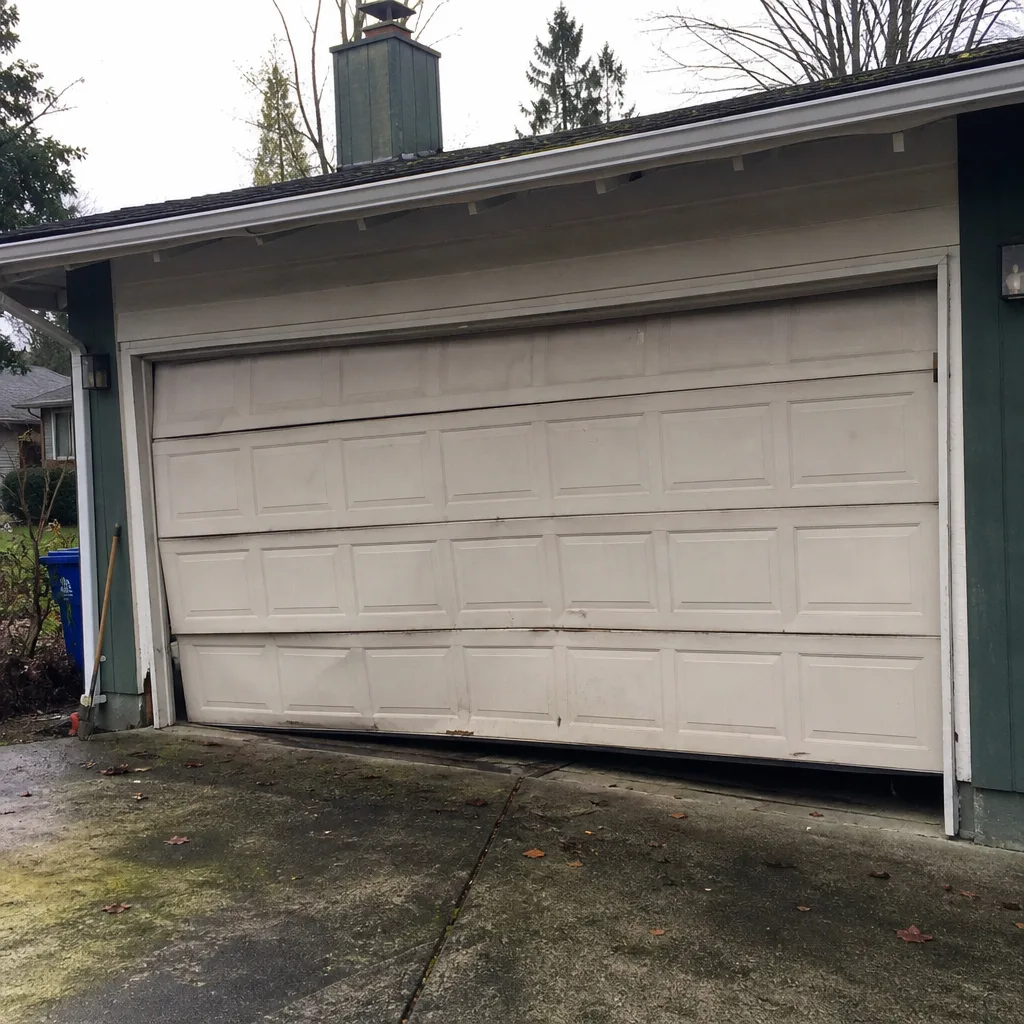 Before
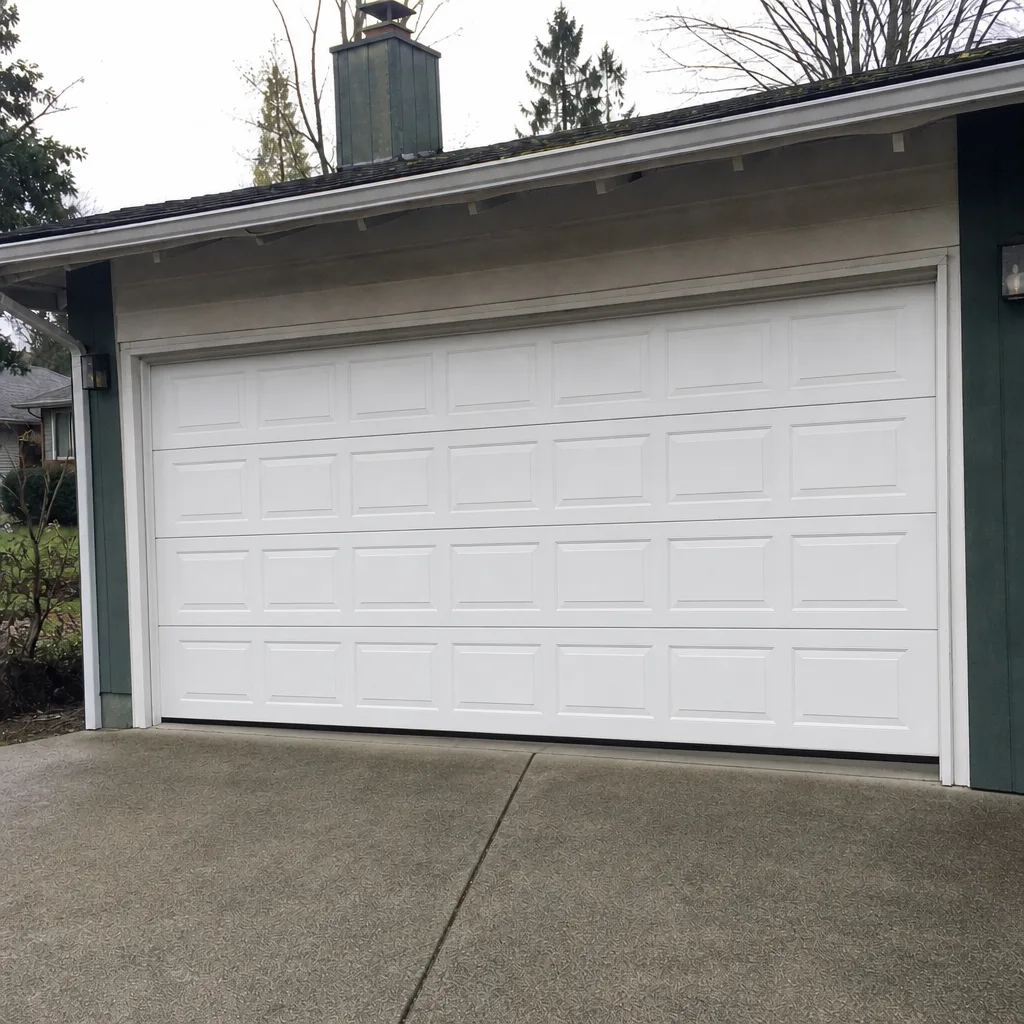 After
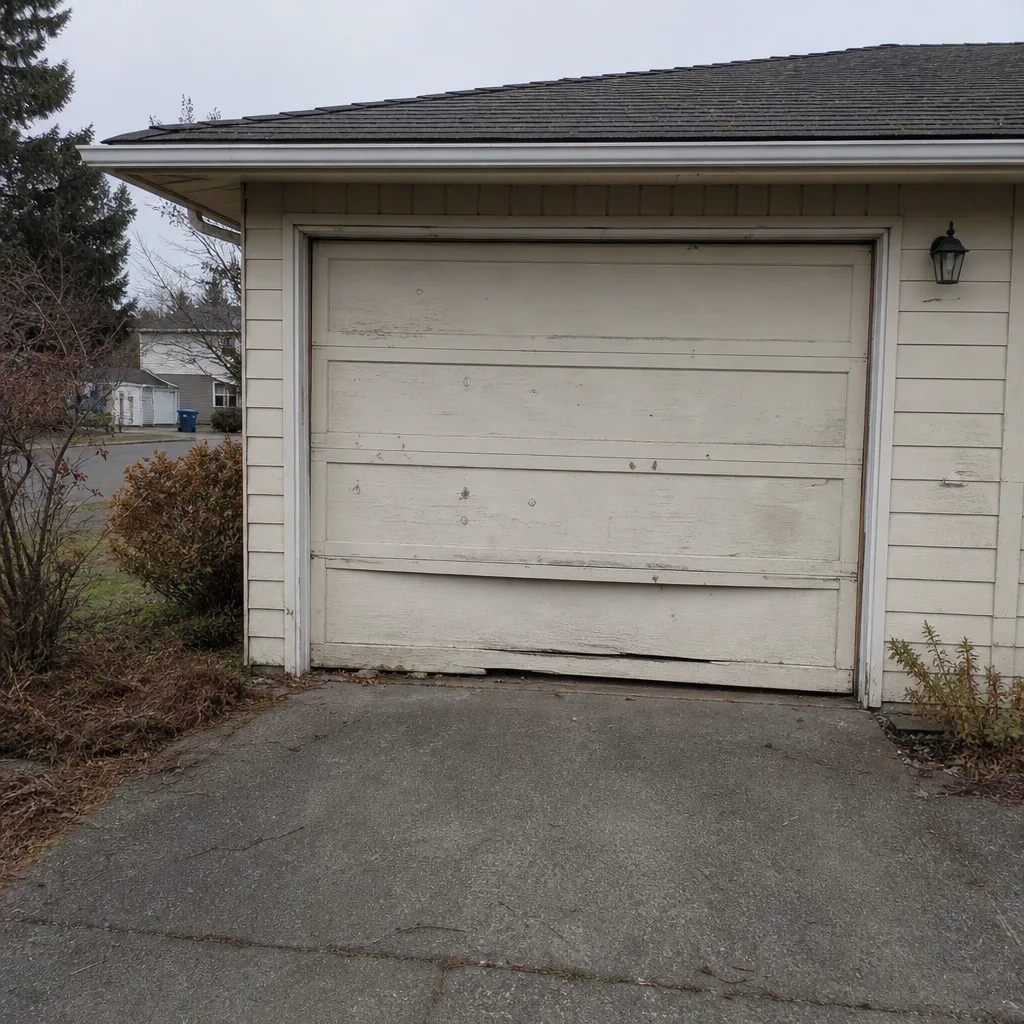 Before
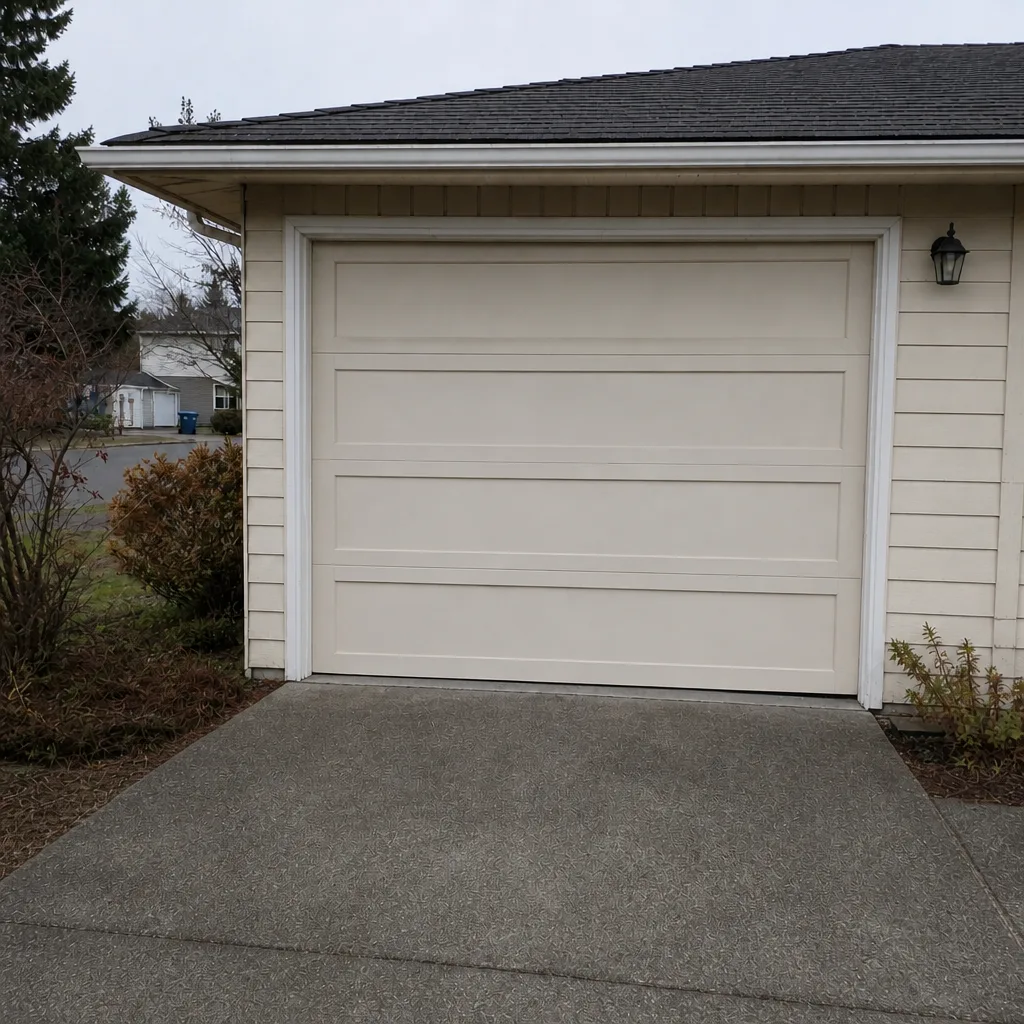 After
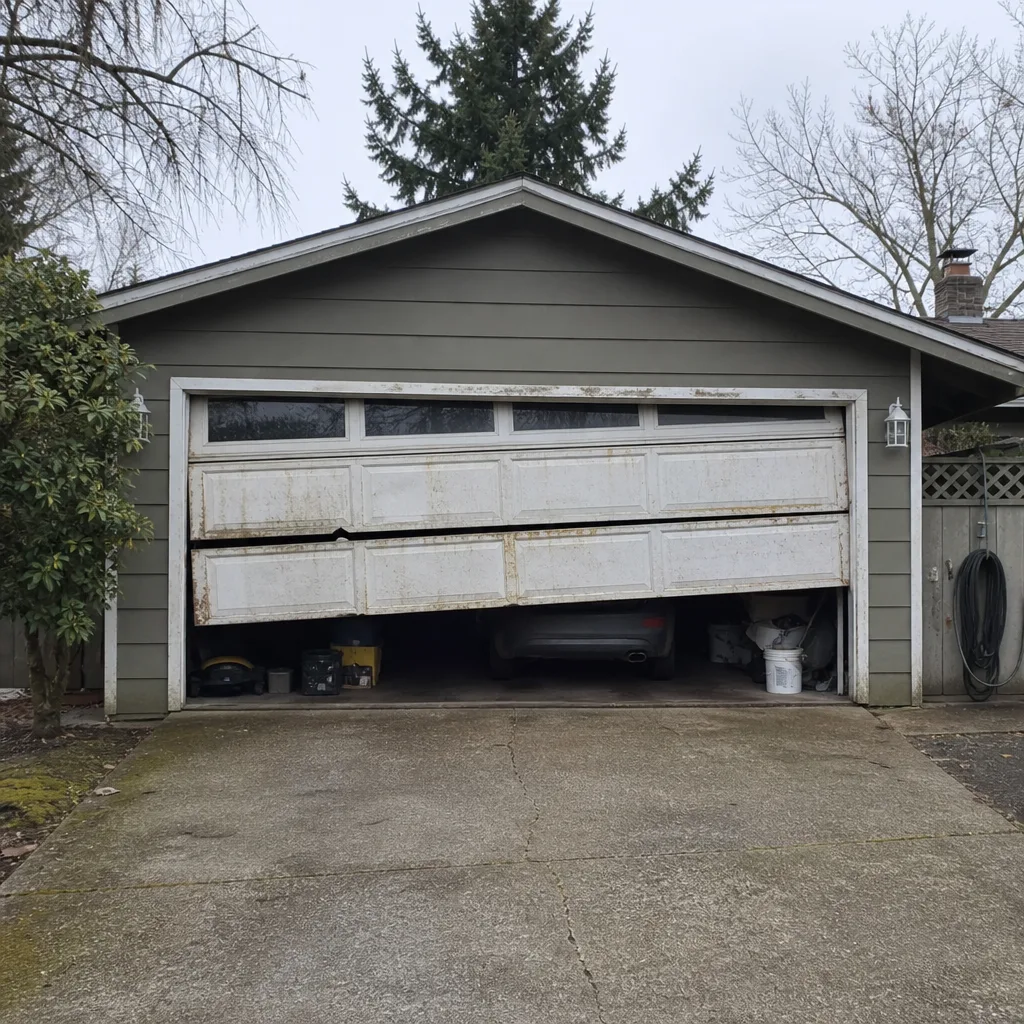 Before
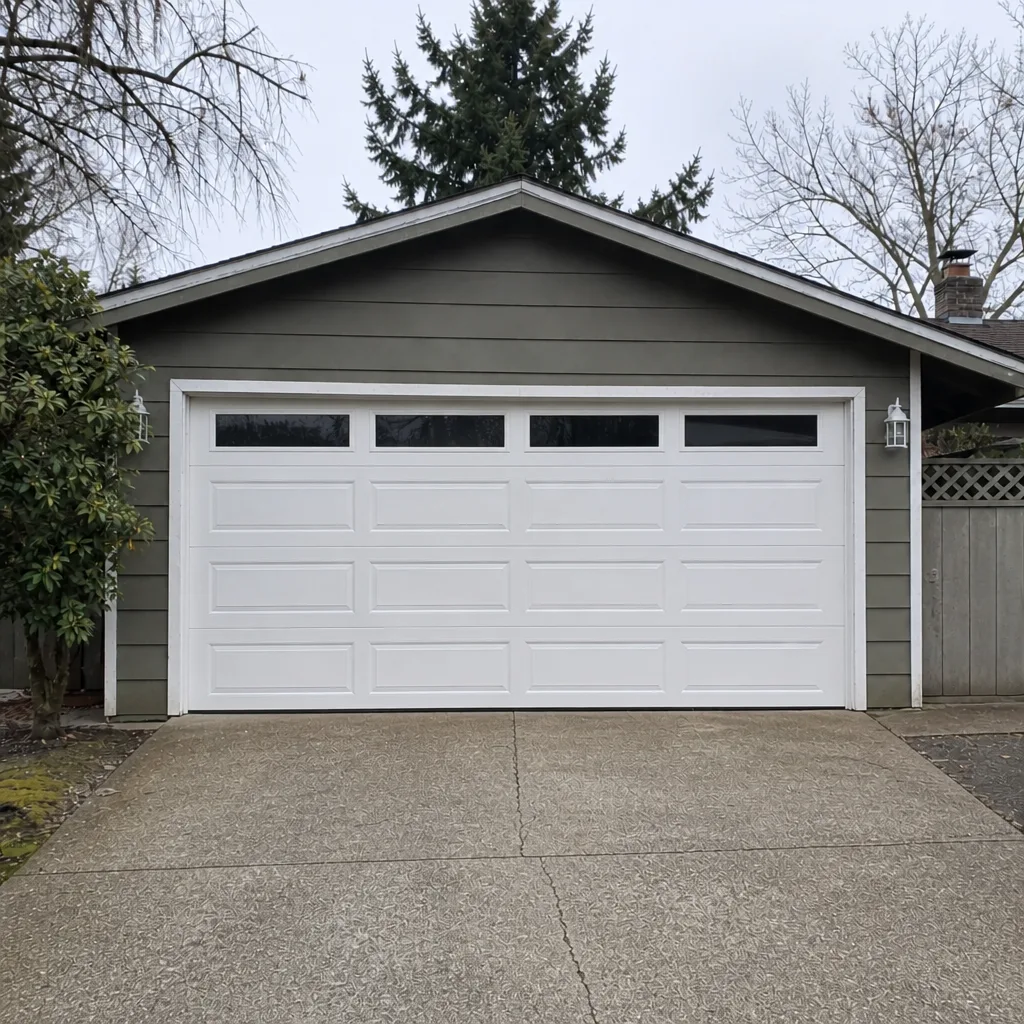 After
When to Call a Professional
The permit question is one of the few garage door topics that genuinely benefits from a professional conversation before you touch anything. If you’re not sure whether your project is a repair or a replacement, call us. If the door’s opening is at risk of needing structural work, call us. If the garage is attached to the house and you’re swapping doors, call us. If the door won’t move and you’re not sure what failed, call us – we handle Shoreline Garage Door Repair Pros calls for stuck and broken doors as emergency work, and we’ll tell you whether the fix is a same-day repair or a scheduled replacement. We work on the brands you’re most likely to own, including LiftMaster, Chamberlain, Genie, and Clopay, so there’s a good chance we already know your equipment. Shoreline Garage Door Repair Pros offers free estimates in Shoreline – call (877) 792-6114. We answer 24/7. Fast dispatch from 7am to 7pm, Sunday through Friday.
One thing we tell every Shoreline homeowner: the price of the work is set by the written estimate before any installation begins, and the permit is discussed at the same time. You should never be surprised by a permit filing you didn’t know was coming. If a contractor quotes a replacement without asking about the garage’s conditioned status, the permit history, or the city’s current requirements, that’s a warning sign.
Frequently Asked Questions
In most cases, yes. A full garage door replacement in Shoreline generally requires a building permit, and the permit review will include energy code compliance for the door itself if the garage is attached to a conditioned house. Repairs – springs, openers, cables, panels in the same opening – are typically exempt. Always confirm with the City of Shoreline’s building department, because the final answer depends on your property. Call (877) 792-6114 for a free estimate on the work itself – estimates are free.
A repair keeps the existing door in the existing opening; a replacement removes the old door and installs a new one. The permit line is drawn at the replacement definition, not at the door’s appearance. If the new door goes into the same opening with the same dimensions and the same structural interface, that’s a replacement. If the opening itself changes, or the door’s role in the building envelope changes, that’s structural work and a permit is required. Call (877) 792-6114 to talk through your specific project – estimates are free.
It can. Washington’s energy code treats the garage door as part of the envelope when the garage is attached to a conditioned house, and an insulated replacement in that context needs to meet the code’s thermal and air-sealing requirements. The inspection checks that the door’s U-factor and sealing match what the permit was issued under. For a detached, unconditioned garage, the thermal requirements are less demanding. Call (877) 792-6114 to schedule a free estimate if you’re unsure which standard applies to your garage.
Like-for-like means the new door matches the old door’s dimensions, structural interface, and general performance characteristics – not just its appearance. In some cases, a genuinely like-for-like replacement can reduce the permit requirement. But it only protects you when the original installation was itself permitted and compliant, and when the replacement door still meets the current energy code. If any of those conditions is off, the like-for-like argument doesn’t hold. Call (877) 792-6114 for a free estimate, and we’ll walk you through the permit question before any work is scheduled.
Yes. Unpermitted work shows up in a title search and in a buyer’s inspection, and it typically needs to be resolved before closing. Remediation usually means filing the permit after the fact, which involves an as-built review and can cost more than doing it right the first time. If you’re planning to sell, ask the city for your address’s permit history first. Call (877) 792-6114 for a free estimate if you need to bring a door up to code before listing – estimates are free.
In most cases, no. Replacing a garage door opener is treated as repair work and typically doesn’t require a permit, even though the opener involves electrical connections. If the opener swap is part of a larger replacement or structural project, the permit for that project covers it. The opener’s safety devices – the photo eye and auto-reverse – will be checked during any inspection of related work, so it’s worth confirming those are functional regardless. Call (877) 792-6114 to schedule a free estimate on the opener work.
The Bottom Line
The permit question for garage door work in Shoreline comes down to one distinction: repair is exempt, replacement usually isn’t, and structural change never is. Energy code compliance matters on attached garages, “like-for-like” only protects you when the original installation was compliant and permitted, and unpermitted work will surface at resale and cost more to fix than to do correctly the first time. Before any replacement project, confirm the permit requirement with the City of Shoreline’s building department, then get a written estimate that addresses the permit explicitly. The work is straightforward when it’s done right. The paperwork is the part that catches people. Shoreline Garage Door Repair Pros is here to help – call (877) 792-6114 for a free estimate. We answer 24/7. Fast dispatch from 7am to 7pm, Sunday through Friday. Our technicians have up to 10 years of experience.
Written by the team at Shoreline Garage Door Repair Pros.