
Last updated November 23, 2026
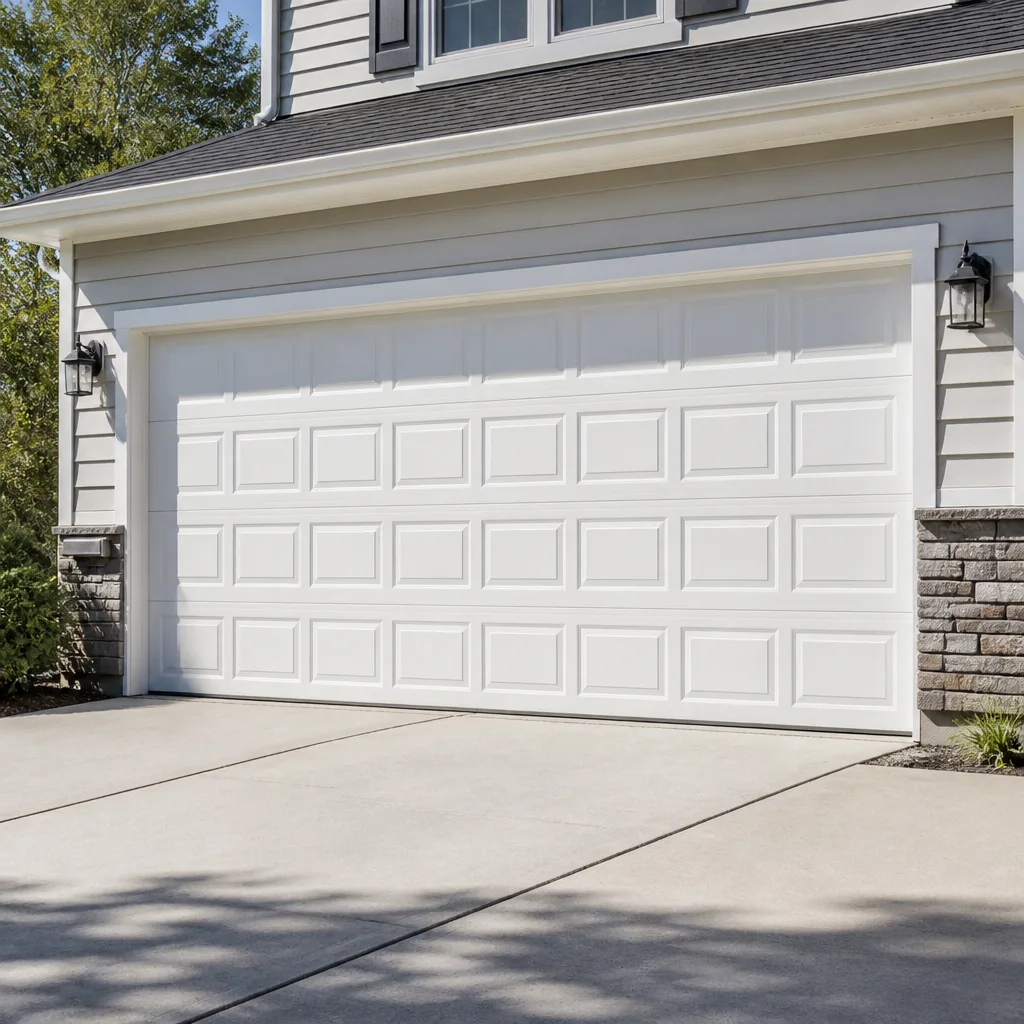 Raised-panel steel
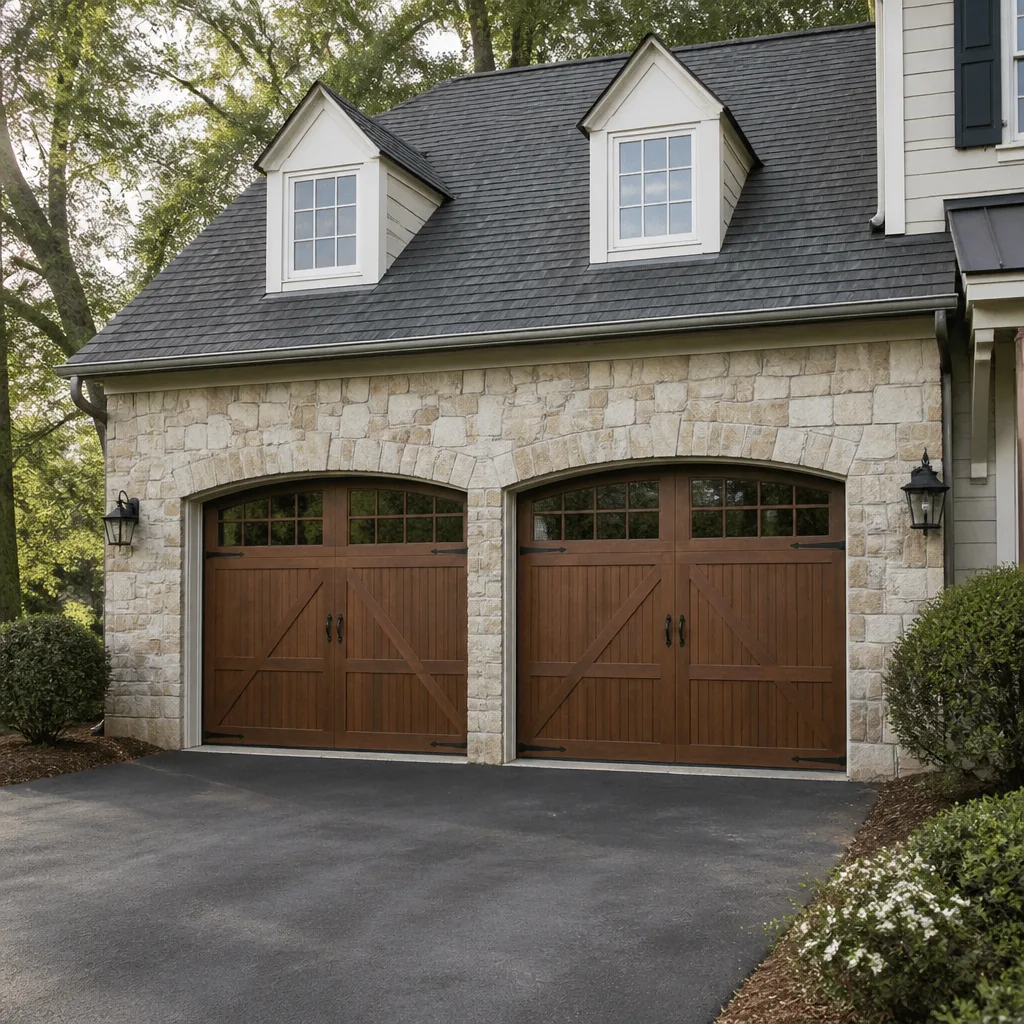 Carriage house
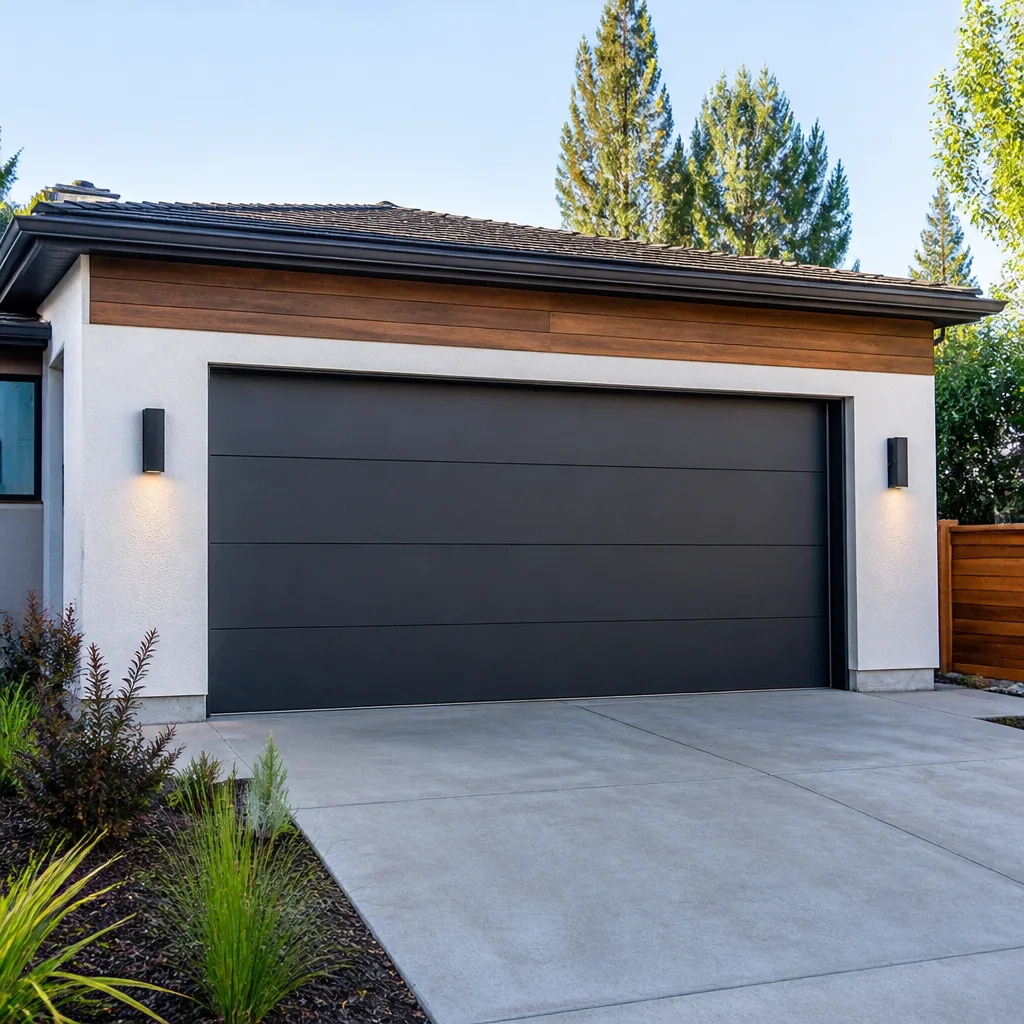 Modern flush
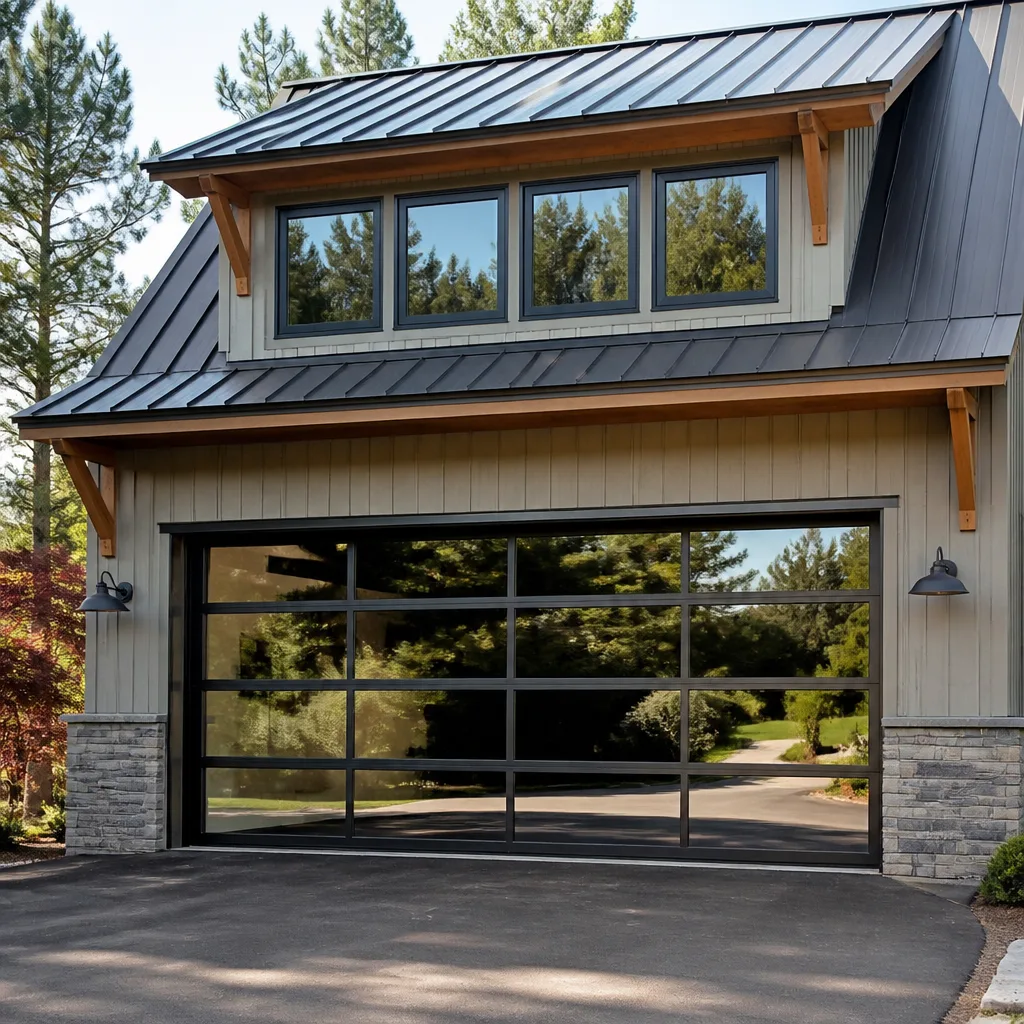 Full-view glass
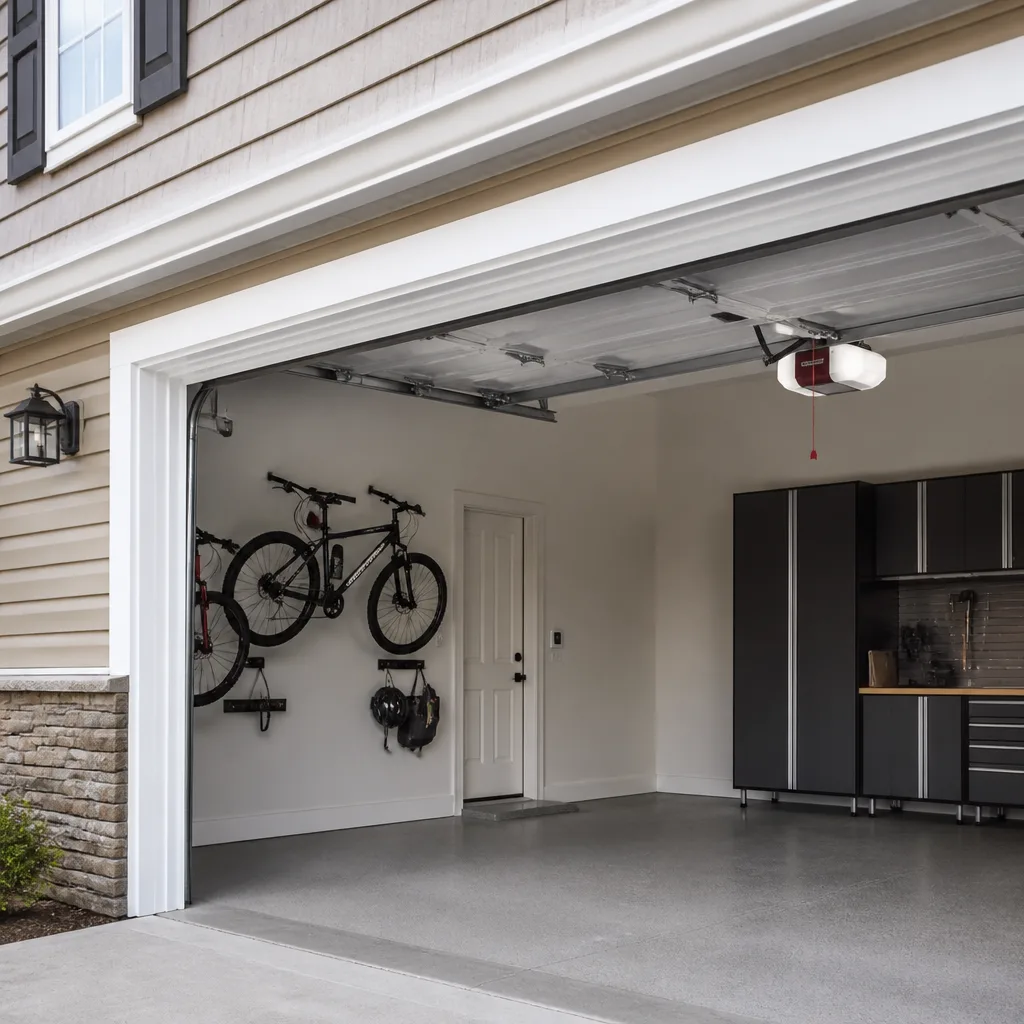 LiftMaster openers
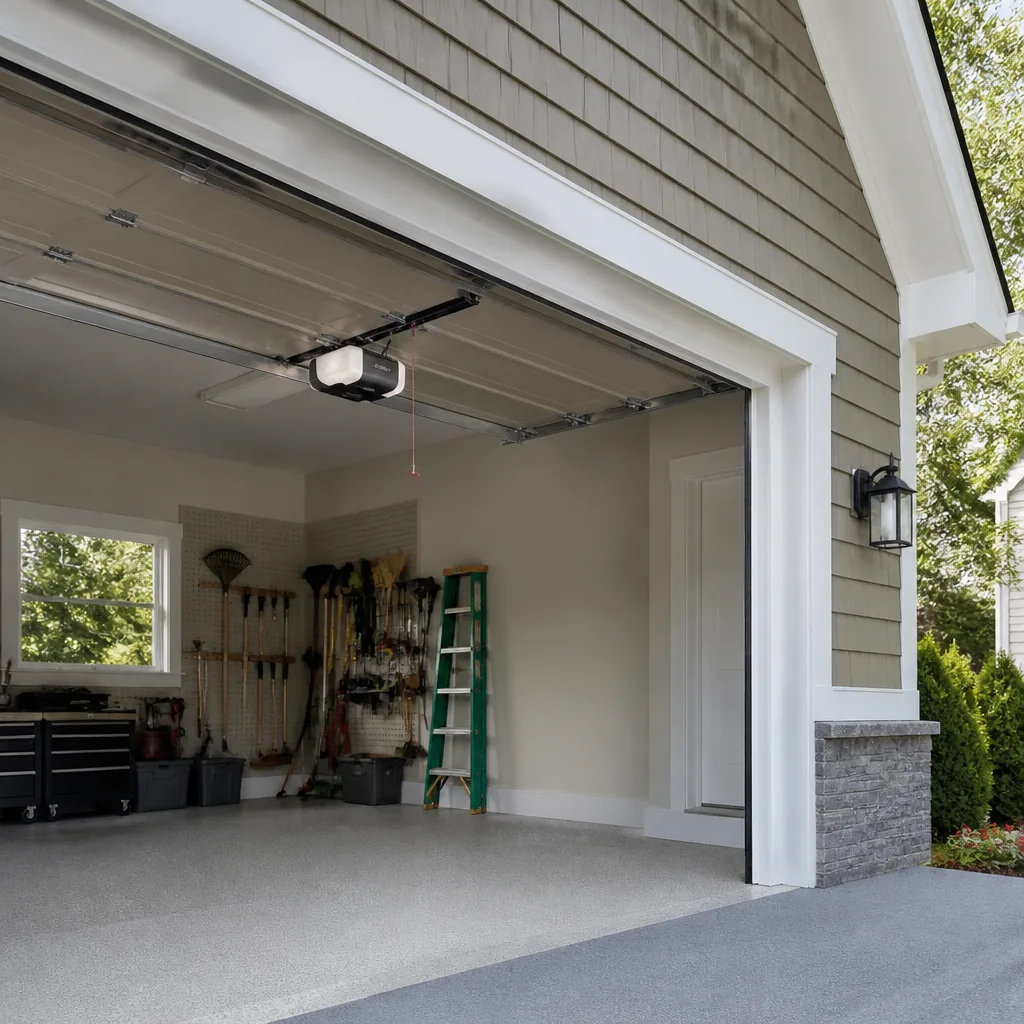 Chamberlain openers
Full 25-point door and opener safety check with every visit - springs, cables, rollers, tracks, and your LiftMaster or Chamberlain opener included
You get a price before we start. It does not change when the pro arrives.
Get your free estimateGarage Door Repair Maintenance Checklist for Shoreline Homeowners
Nine out of ten emergency garage door calls we handle start with a warning sign the homeowner noticed and dismissed as normal. A rattle that showed up last month. A door that reversed once and then behaved. A spring that looked a little stretched. Most people figure a garage door either works or it doesn’t, and until it stops working it isn’t broken. That’s the misconception this guide is built to correct. We’ve built this checklist backward from the calls that could have been avoided, ranked by the failures our technicians actually see most often in Shoreline homes. Read it once, then keep it somewhere you’ll find it again.
Quick Answer
A garage door maintenance checklist for Shoreline homeowners should prioritize five checks in this order: balance and travel test, spring inspection, opener force and safety reverse test, roller and hinge wear, and lubrication of the torsion spring, hinges, and rollers. Done monthly for the balance and reverse tests and twice a year for the rest, these checks catch the failures that turn into emergency calls. Anything involving springs, cables, or the opener’s internal gearing is a professional job, not a homeowner one.
Styles & brands we work with
- Raised-panel steel
- Carriage house
- Modern flush
- Full-view glass
- LiftMaster openers
- Chamberlain openers
Table of Contents
- The Monthly Test That Reveals Opener and Spring Health at Once
- The Five Checks That Prevent Most Shoreline Service Calls
- Normal Wear vs. Call-Us-Now: Visual and Auditory Cues
- Lubrication That Works in Pacific Northwest Humidity
- Opener Health: What Your LiftMaster or Chamberlain Is Telling You
- Seasonal Garage Door Care in Shoreline
- What to Log So a Technician Can Diagnose Faster
- Common Mistakes to Avoid
- When to Call a Professional
- Frequently Asked Questions
The Monthly Test That Reveals Opener and Spring Health at Once
If you do only one thing from this entire checklist, do this. It’s a two-minute test you can run the first weekend of every month, and it tells you more about the health of your door than any visual inspection.
Step one: the balance test.
- Pull the emergency release cord to disconnect the door from the opener. On most doors the cord is red-handled and hangs from the rail.
- Lift the door by hand to about halfway, roughly waist height.
- Let go. Do not push or pull. Just watch.
- A balanced door stays where you left it. A door that drifts down is telling you the springs are losing tension. A door that springs upward is telling you they’re over-tensioned.
- Reconnect the door by pulling the release cord back toward the opener rail until it clicks.
That drifting door is the single most common precursor to a spring failure we encounter in Shoreline. Springs don’t snap out of nowhere. They weaken gradually, and the balance test catches that decline weeks or months before the door stops opening.
Step two: the safety reverse test. With the door connected, place a rolled towel or a 2×4 flat on the floor in the door’s path. Close the door using the wall button or remote. The door should reverse within a couple of seconds of contacting the object. If it doesn’t, your opener’s safety system is failing, and that’s a stop-using-it situation until it’s fixed.
These two tests together cover the opener and the spring. One tells you whether the mechanical counterbalance can hold the door’s weight. The other tells you whether the opener’s safety systems will prevent a crush injury. Run both monthly. When either one fails, you have your answer about whether to schedule a garage door opener repair visit or a spring service call.
The Five Checks That Prevent Most Shoreline Service Calls
Generic maintenance lists tend to be alphabetical or chapter-organized. That’s useless for prioritizing. Here’s the order our technicians rank failures by frequency on Shoreline service calls, so you can start at the top and work down.
1. Springs and cables (highest failure rate)
Springs carry the weight of the door. When they weaken or break, every other component strains. Look at the torsion spring mounted on the shaft above the door, or the extension springs along the horizontal tracks on older builds. Rust, gaps in the coil, or a clearly stretched section means it’s time to have them looked at. Do not touch, adjust, or attempt to replace a torsion spring yourself. The tension on those coils is enough to cause serious injury, and the proper tools for safe service aren’t sold at hardware stores. Same goes for the cables running alongside. We handle this with proper winding bars and training for a reason.
This is the single most common repair we do, and it’s the one we most often see attempted DIY first. When the spring lets go, the door becomes dead weight – call our garage door spring repair line and stop trying to lift it manually.
2. Rollers and hinges
Rollers ride in the tracks. Over time the steel rollers many builders install wear flat and start banging. Nylon rollers hold up better but can still develop flat spots. Listen at the hinges: a door that clicks or pops as it travels usually means a hinge is loose or worn. Tighten hinge bolts a quarter turn if they’re loose, but if a hinge plate is cracked or a roller is visibly flat, that’s a replacement.
3. Tracks
Run your hand along the inside of each track (with the door open and the opener disconnected, so the door can’t move on you). You’re feeling for dents, bends, or debris. A dented vertical track will make the door bind. A bent horizontal track will make it sag. Small debris can be swept out; dents and bends need straightening or replacement, and that’s a professional job because a misaligned track can drop the door.
4. Weather seal and bottom rubber
The bottom seal is the rubber strip on the door’s lower edge. In Shoreline’s wet months it’s the barrier between your garage and standing water creeping in at the threshold. Look for cracks, missing chunks, or a seal that no longer touches the floor evenly. A seal that’s compressed flat on one side and hanging loose on the other usually means the door isn’t closing level, which points back to the balance test.
5. Opener force and travel limits
Every opener has an adjustment for how much force it uses to move the door and where it stops at the top and bottom of travel. If your door slams at the bottom or stops short of fully closed, those settings have drifted. Modern LiftMaster and Chamberlain units have these adjustments on the motor head; older units use dials or screws. If you’ve never adjusted them, have a technician set them while they’re out for another reason. Guessing wrong can burn out the opener’s gear assembly.
That’s the full five in priority order. If you check nothing else, at least handle numbers one and two.
Normal Wear vs. Call-Us-Now: Visual and Auditory Cues
The hardest part of any checklist is knowing where the line sits between “keep an eye on it” and “stop using the door.” Here’s how we draw that line when we’re standing in a Shoreline garage looking at the same components you are.
Sounds
- Normal: A low, steady hum from the opener motor, plus a soft whir from the rollers. Some older openers have a slight chain-drive clatter. That’s fine.
- Watch it: A rhythmic click that repeats at the same point in the door’s travel. That’s usually a hinge or a roller beginning to fail. Note the position – about how high is the door when it clicks? That gives a technician a head start.
- Stop using the door: A loud bang from the spring area, followed by the door becoming very heavy or not opening at all. That’s a broken spring. Don’t force the opener to try. And any grinding or scraping sound from the opener’s internal gears means the drive is failing and continued use will make it worse.
Sights
- Normal: Light surface rust on the track or spring in a humid climate. Some dust buildup on the photoelectric safety sensors at the bottom of each track.
- Watch it: A gap in the torsion spring coil. Stretched sections on an extension spring. Rollers with visible flat spots. A slight gap between the door’s bottom edge and the floor on one side only.
- Stop using the door: A visible break in the spring coil (the door is now unsupported). A frayed or kinked cable. A bent track where the door is actually riding off the rollers. Any of those means call us before you cycle the door again.
Smells and feel
A burning smell from the opener area means a motor is overheating or a capacitor is failing. And here’s one people miss: if you can lift the door with one hand from the bottom, even with the opener connected, the springs are doing almost none of the work. A properly balanced door takes some real effort to move by hand. If it feels feather-light, get it inspected.
Lubrication That Works in Pacific Northwest Humidity
Shoreline gets real rain from fall through spring, and that humidity sits inside garages that are often poorly ventilated. That combination is hard on metal, and it changes which lubricants actually work versus which turn into a sticky mess. This is where most generic checklists go wrong, because they recommend the same thing whether you live in Phoenix or Puget Sound.
Where to lubricate
- Torsion spring coils (a light coat along the coil, not soaked)
- Hinge pivot points
- Roller bearings and stems (not the roller surface that contacts the track)
- The opener’s rail or chain, per the manufacturer’s instructions for your specific model
What to use in a humid climate
Use: A lithium grease or a silicone-based spray lubricant formulated for metal moving parts. White lithium grease in a spray can is a solid choice for springs and hinges. A dry silicone spray works well on roller bearings because it doesn’t attract as much dust. A dedicated garage door lubricant labeled for the purpose is fine too, as long as it lists metal-on-metal use.
What NOT to use
- WD-40 as a lubricant. The classic blue-and-yellow can is a water displacer and a light solvent, not a long-term lubricant. It’ll quiet a squeak for a week and then leave the part drier than before. In a humid climate that’s worse than doing nothing.
- Motor oil or cooking oil. Motor oil runs, drips onto the tracks, and the tracks then collect grit. Cooking oil goes rancid and gums up.
- Grease on the tracks. This is the single biggest mistake we see. Tracks should be clean and dry. Grease them and the rollers slide instead of rolling, which wears them out faster.
How often
Twice a year is the standard recommendation, and in Shoreline’s climate it’s worth doing in late fall (before the wet season) and again in spring. If your garage runs humid enough that you see condensation on the door in winter, bump it to every three months. The rest of the year, wipe the tracks down with a dry cloth and leave them alone.
Opener Health: What Your LiftMaster or Chamberlain Is Telling You
Openers give you more warning than most homeowners realize. Those blinking light codes on the motor head and the behavior of the wall button are diagnostic messages if you know how to read them.
The usual suspects and what they mean
- Door reverses immediately after closing. Almost always the photoelectric safety sensors at the bottom of the tracks. Check for a misaligned sensor, dust on the lens, or something blocking the beam. If they’re clean and aligned and it still reverses, the opener’s logic board or the sensor wiring is the issue.
- Opener runs but the door doesn’t move. The drive gear or the chain/belt coupling has failed. On older LiftMaster and Chamberlain units this is often a stripped nylon gear inside the motor housing. Not a homeowner job.
- Remote works intermittently. Dead battery, or interference from nearby electronics. Try a fresh battery, then try a different remote. If a new remote also drops out, the opener’s receiver is the problem.
- Door stops halfway up or down. The travel limits have drifted, or the opener is sensing resistance it shouldn’t (binding track, failing spring). The safety reverse test will tell you which.
When a repair no longer makes sense
Most opener faults are repairable, and modern LiftMaster and Chamberlain units with smart-drive motors are built to last. The cases where a replacement beats a repair are generally a failed logic board on an opener that’s already given you two other problems in the same year, or a unit whose drive gear has stripped and whose parts are no longer available. If you’re not sure which side of that line your opener is on, our technicians diagnose it honestly rather than defaulting to a sale. The same brand fluency applies across Genie and Craftsman openers – our team knows those systems too, which means we’re not reading the manual for the first time in your garage.
Seasonal Garage Door Care in Shoreline
Garage doors don’t care about the calendar, but the conditions around them change through the year. A little seasonal awareness goes a long way here.
Fall (before the wet season)
- Lubricate springs, hinges, and roller bearings.
- Inspect the bottom weather seal for cracks. This is the last easy window to replace it before the rain.
- Clear gutters and check that the ground outside the garage door isn’t sloping toward the threshold. Pooling water at the door is one of the biggest causes of premature bottom-seal failure in Shoreline.
- Run the balance test. If the door drifts, address the springs now, not in January.
Winter
- Watch for condensation on the inside face of the door. If you’re seeing moisture, improve garage ventilation before it rusts the bottom panel and hinges.
- Keep the safety sensors clear. A fogged lens on a cold wet morning is a common cause of “the door won’t close” calls.
- Exercise the door regularly. A door that sits untouched for weeks accumulates sticky lubricant and stiff rollers, then fails the first time you need it.
Spring
- Re-lubricate after the wet season.
- Inspect for rust on springs, hinges, and the bottom panel. Pacific Northwest humidity does its slow work over winter, and a light rust-rub now beats a panel replacement later.
- Re-test the opener’s safety reverse. Settings can drift over a cold season.
Summer
- Wipe the tracks. Dry summer weather is the safe window to clean without trapping moisture.
- Check the door panels for heat-related expansion gaps around the seams and hardware. Frames and hardware loosen slightly in the dry months, then tighten back in fall – a loose hinge in July is often just seasonal.
What to Log So a Technician Can Diagnose Faster
Here’s where most homeowners leave value on the table. When you finally call for garage door repair, the fastest path to an accurate diagnosis is a short written log. It takes five minutes to start and pays off every time you need a service call.
What to record
- Door brand and model. Look for a sticker on the inside of the door frame or the bottom edge of the panel. This matters because we work on Clopay, Amarr, Wayne Dalton, and Raynor doors regularly and knowing yours in advance lets us bring the right parts.
- Opener brand and model. The motor head usually has a label with the model number. LiftMaster and Chamberlain openers, plus Genie and Craftsman units, make up most of what we see.
- Approximate date of installation or last service. If you don’t know, say so – a rough guess is fine.
- Date each symptom first appeared. “Clicking started around January, door began reversing in February” is gold for a technician.
- What position the door was in when the symptom appeared. Halfway up, fully closed, partway down – each points to a different component.
- Any recent changes. New paint on the tracks, a kid who used the door as a trampoline, a nearby construction project, a power outage. Small events explain big symptoms more often than you’d think.
- Results of the monthly balance and reverse tests. Note whether the door drifts, springs up, stays put, or fails to reverse on a towel. Write the date you ran it.
Why it matters
When we have this information before the visit, our technicians are usually able to load the right parts and arrive ready to work rather than arriving and diagnosing from scratch. It also helps you avoid a second visit in the same week. If you’re keeping this log on a phone note or a paper pad on the wall near the wall button, that’s fine. Consistency is what counts.
One quick note about the log and the phone call: when you call, we answer 24/7, so you can pass along what you’ve found at whatever hour the failure happens. Fast dispatch runs 7am-7pm Sunday through Friday, closed Saturday. A call outside dispatch hours is booked into the next opening.
Common Mistakes to Avoid
- Greasing the tracks. This is the number-one mistake we see in Shoreline garages. Greased tracks collect grit, rollers slide instead of roll, and the whole system wears faster. Tracks stay clean and dry.
- Using WD-40 instead of a real lubricant. It’s a water displacer, not a long-term lubricant. On springs and hinges it will quiet a squeak for a week, then leave the metal drier and more prone to rust, which in this climate is a losing move.
- Attempting to adjust or replace torsion springs. The stored energy in a wound torsion spring can cause serious injury in a fraction of a second. Save the DIY for the hinges and the seal, and call in trained technicians for the spring and cable work.
- Ignoring a door that’s getting heavier. A door that’s harder to lift by hand than it was last year has springs weakening. Waiting for the snap costs you downtime you don’t want.
- Skipping the monthly balance and reverse tests. Most homeowners never run them. These two checks reveal the failure mode before it fails, and they take two minutes.
- Leaving a door disconnected after a manual lift. If you’ve used the emergency release, reconnect it before walking away. A disconnected door is unsupported by the opener and can drop.
- Not writing down the model numbers. When you call us, knowing your door is a Clopay and your opener is a Chamberlain can shave time off diagnosis and cut the odds of a second visit. It’s the easiest five minutes you’ll spend on maintenance.
When to Call a Professional
Some failures are morning-of calls. A broken spring that leaves the door stuck open or stuck shut is a security problem, and it’s not going to resolve itself. A snapped cable, a door that’s come off its track, or an opener that grinds and won’t move the door are all cases where continuing to cycle the door can turn a repair into a replacement. Get in touch, describe what you’ve seen, and don’t force it. Our technicians have up to 10 years of experience across the equipment most Shoreline homes actually own – LiftMaster and Chamberlain openers, Clopay and Amarr doors – so if you’ve logged your model numbers, we’re likely already familiar with your setup.
Shoreline Garage Door Repair Pros offers free estimates in Shoreline – call (877) 792-6114. We answer 24/7, and fast dispatch runs 7am-7pm Sunday through Friday. If your door won’t open, we treat it as an emergency and get a technician to you as quickly as the schedule allows. The price is quoted and agreed before any work starts, and the written estimate sets the final price.
Frequently Asked Questions
Run the monthly balance and safety reverse test every month, lubricate twice a year, and do a full visual inspection each season. Shoreline’s humid climate means metal parts see more moisture than a drier climate would, so the twice-yearly lubrication schedule matters. If you see condensation on the door in winter, bump lubrication to every three months.
Most garage door repairs run in the typical range of $150 to $400, but the exact number depends entirely on what’s failed. A single broken torsion spring is usually a smaller job; a snapped cable plus spring plus track realignment is a larger one. We quote and agree the price before any work starts, so you’ll know the number before we begin. Call (877) 792-6114 for a free estimate on your specific repair.
Yes, lubricating the springs, hinges, and roller bearings is safe for a homeowner. Use a lithium grease or dry silicone spray, not WD-40 and not motor oil. Never grease the tracks – they should be clean and dry. Do not attempt to disassemble or adjust the springs, even when you’re lubricating near them.
The most reliable sign is a door that drifts down on the balance test, or a door that’s become noticeably easier to lift by hand. A visible gap in the coil, a stretched section on an extension spring, or rust along the torsion spring are also cues. Sitting halfway up, the door should stay put; if it slowly drifts down, the spring is losing tension.
Repair is usually the right call when the panels, frame, and hardware are structurally sound and the issue is a single component – a spring, an opener, a hinge. Replace when the door’s panels are damaged beyond reasonable repair, the door is out of balance in a way that keeps recurring, or the hardware has reached the end of its service life. A free estimate will tell you which side you’re on.
Yes, provided you run the checks that actually catch problems. Lubrication and track cleaning reduce wear; the monthly balance and reverse tests catch spring and opener failures early. That said, no maintenance schedule stops a spring from eventually wearing out – springs are a wear item. What it does is give you warning, so you can schedule the replacement instead of discovering it during a morning rush.
The Bottom Line
A garage door maintenance checklist is only useful if it prioritizes the failures that actually happen in your climate. Run the balance and reverse test monthly – it’s two minutes and catches more problems than any visual inspection. Lubricate twice a year with a real lubricant, keep the tracks dry, and log your model numbers so a technician can move fast on the day you do call. Skip the DIY on springs and cables. Everything else on this list is in your wheelhouse. When something crosses the line from “keep an eye on it” to “stop using the door,” call the team at Shoreline Garage Door Repair Pros – free estimates, the price quoted and agreed before any work starts.
Written by the team at Shoreline Garage Door Repair Pros.
See the difference
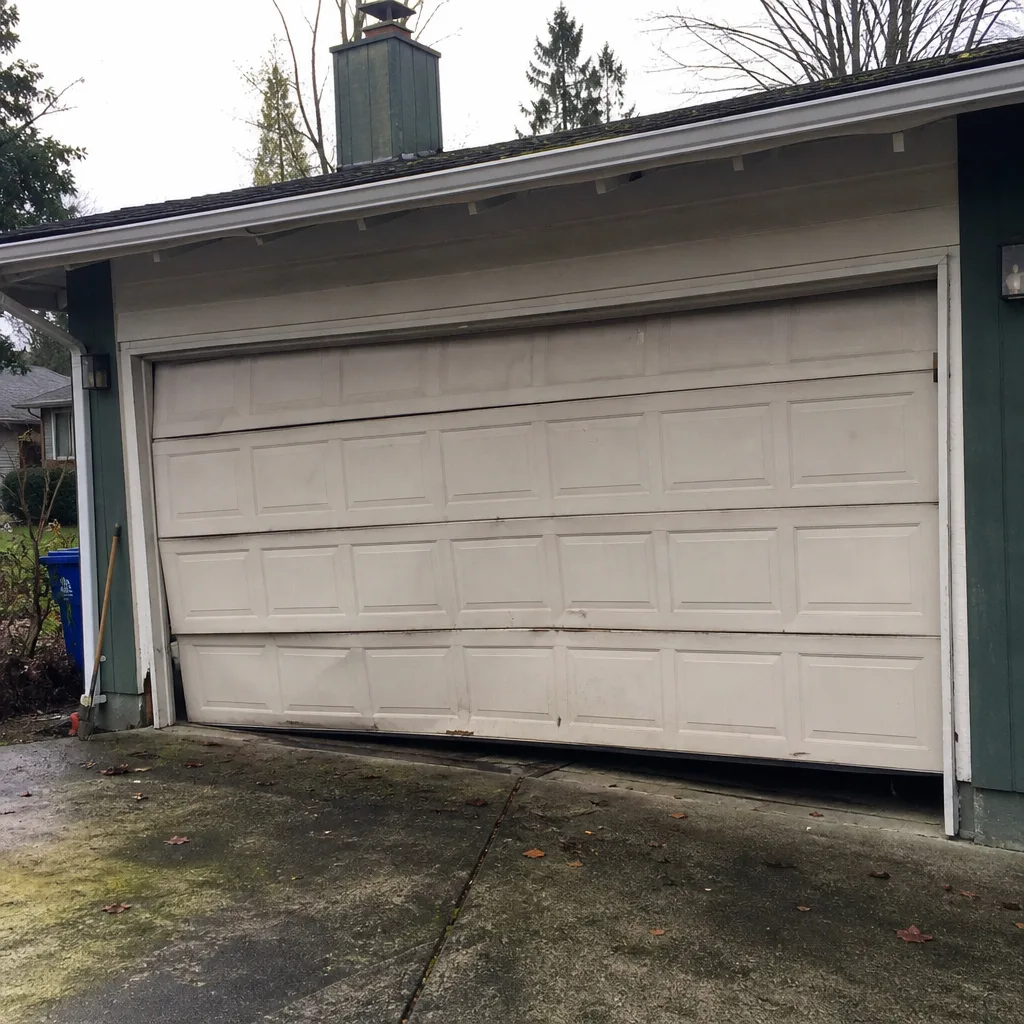 Before
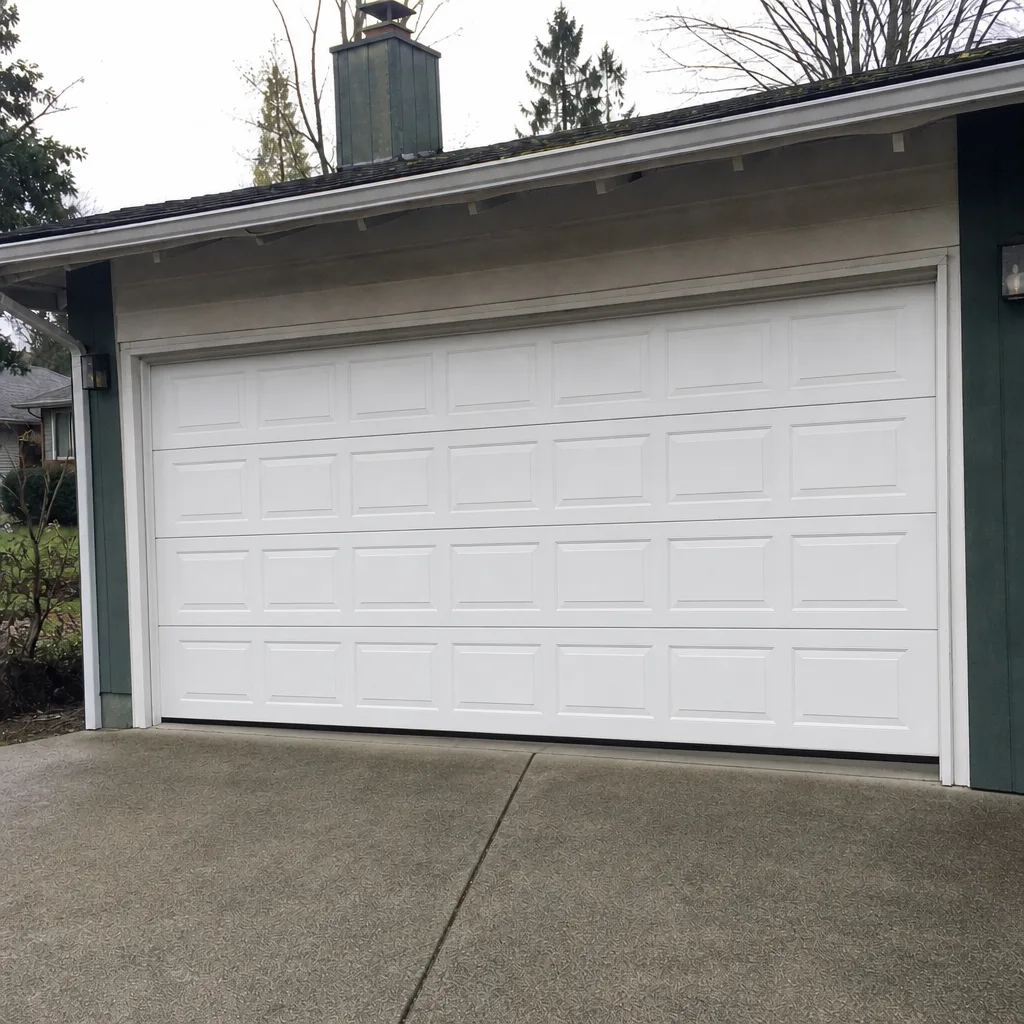 After
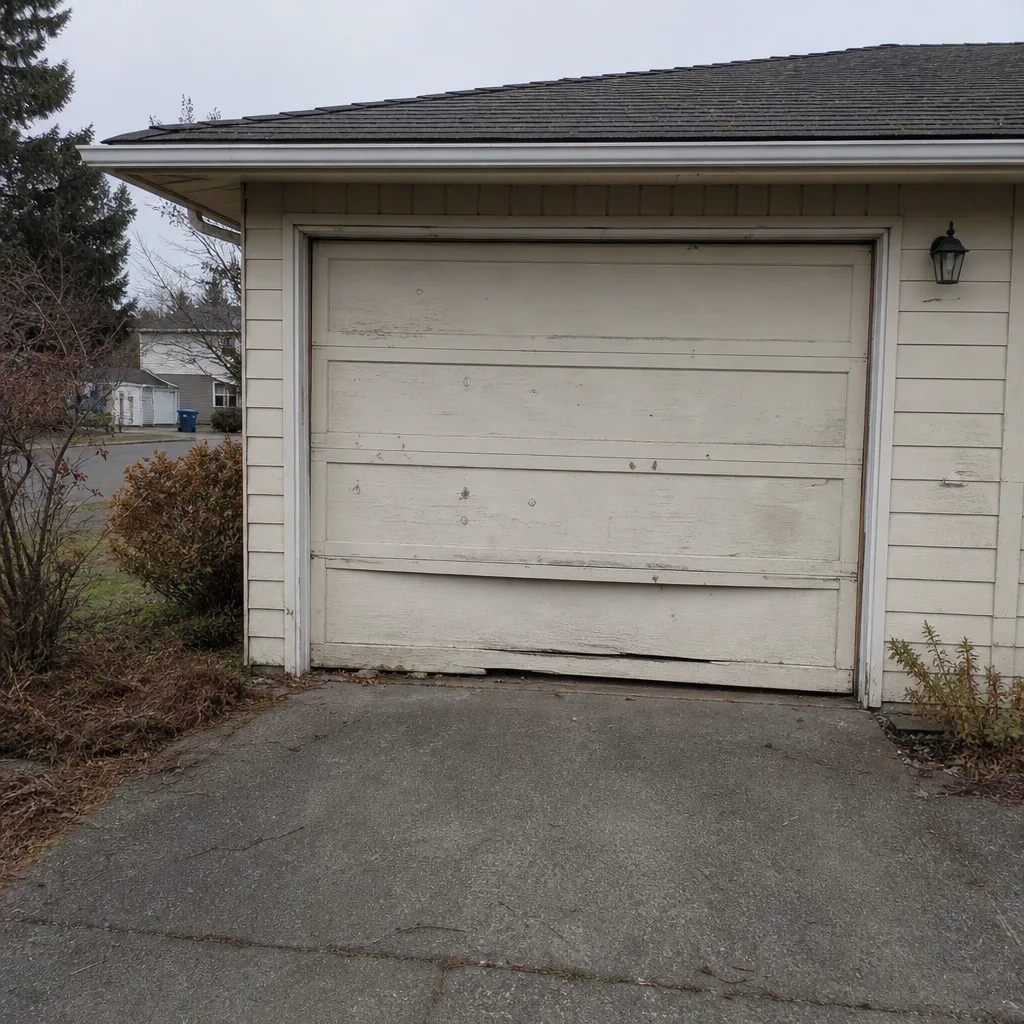 Before
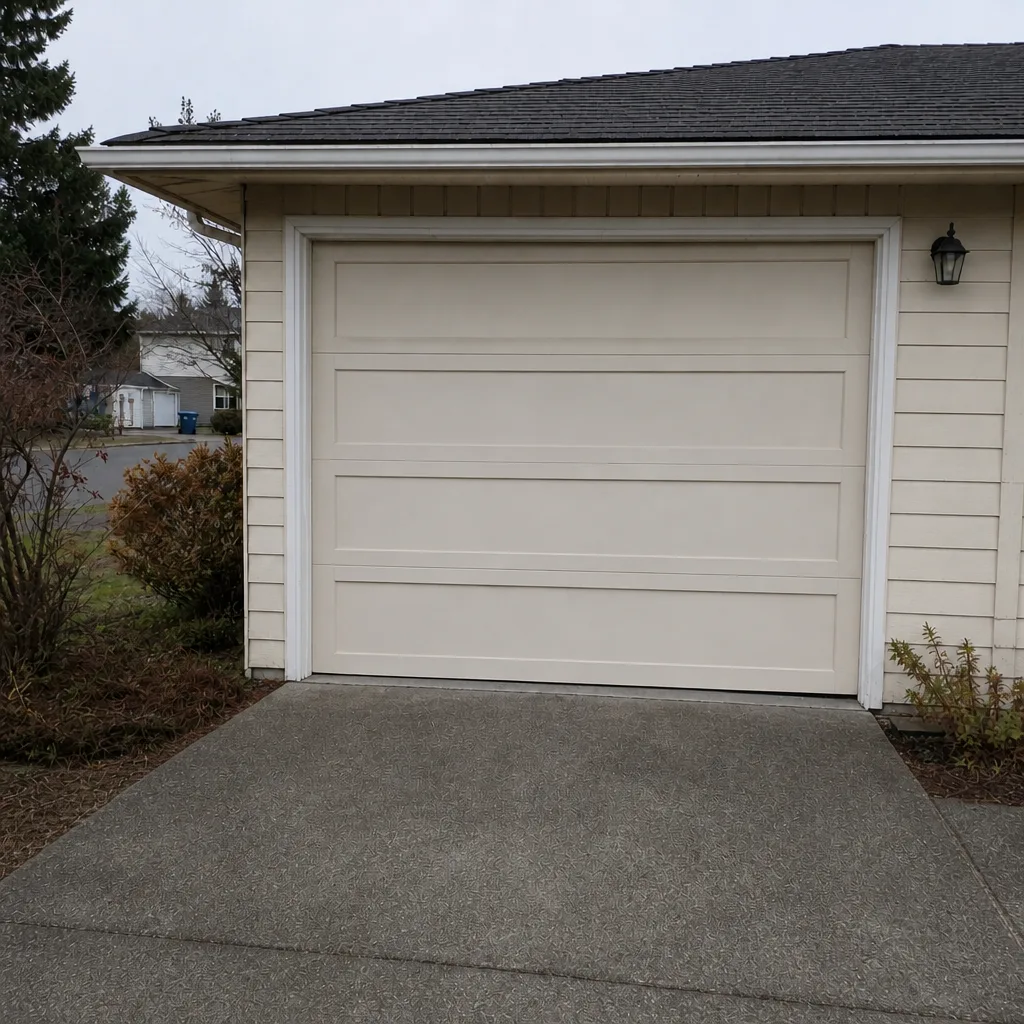 After
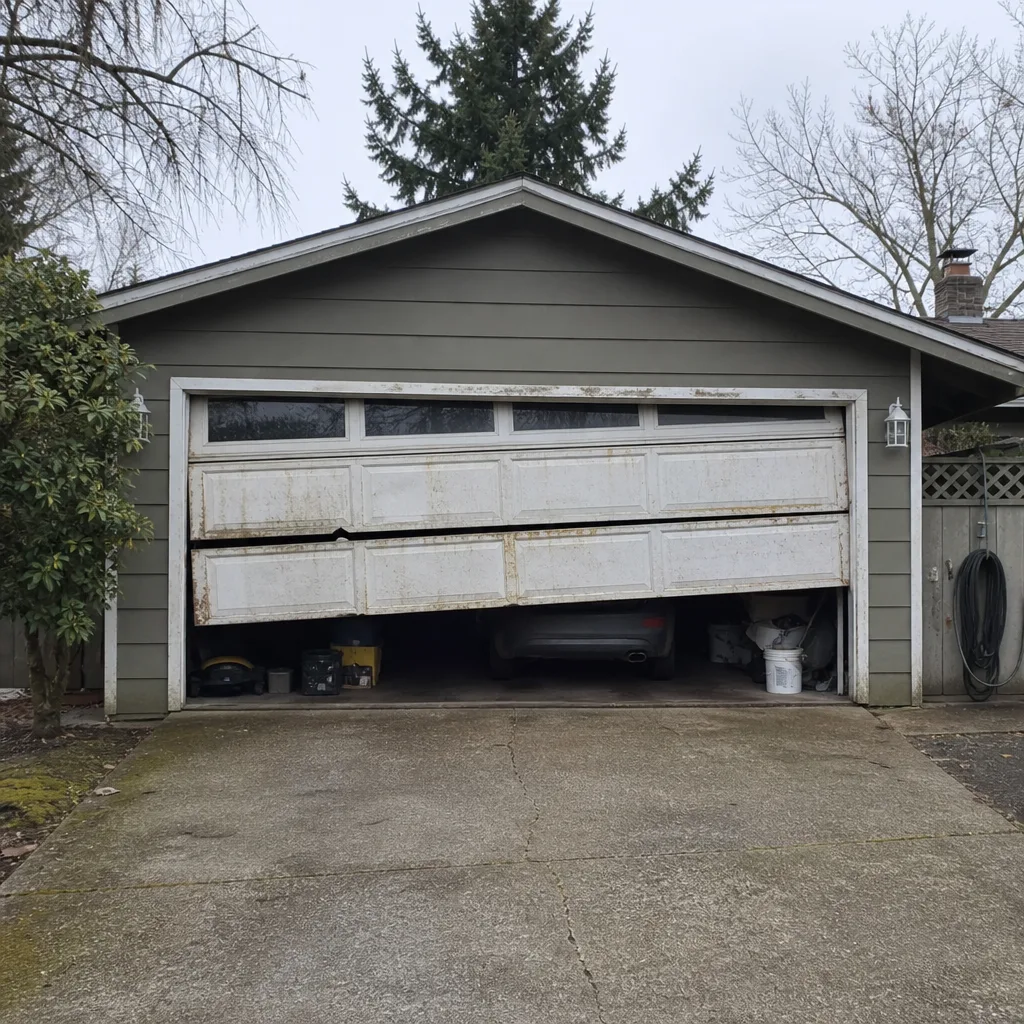 Before
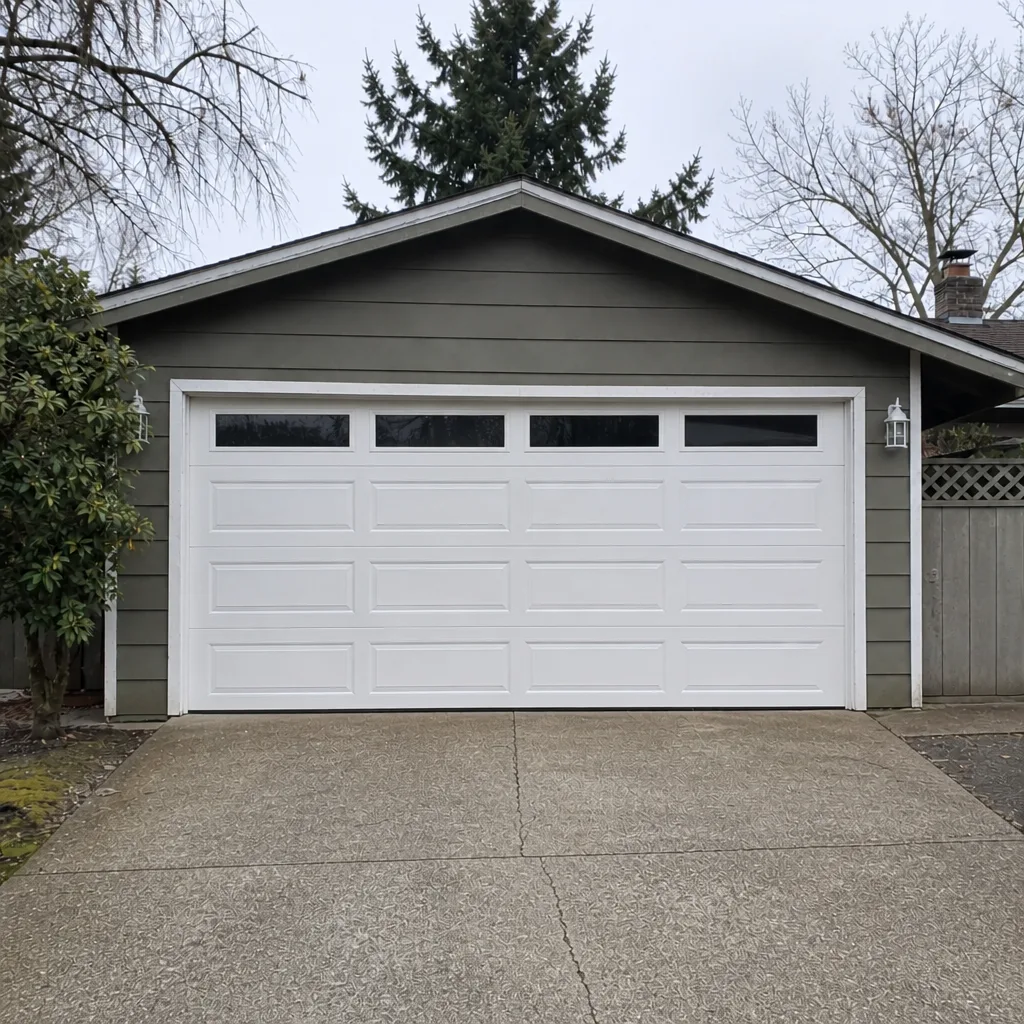 After