
Last updated November 23, 2026
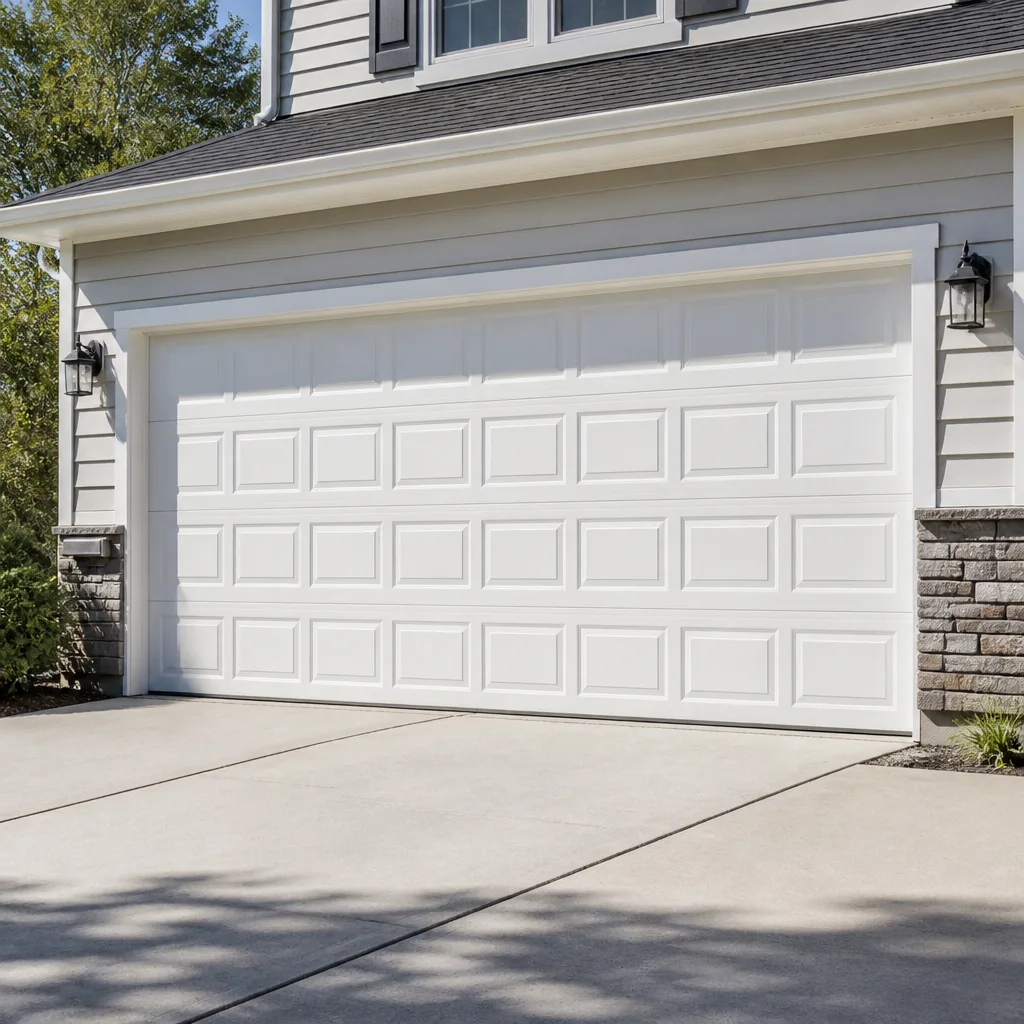 Raised-panel steel
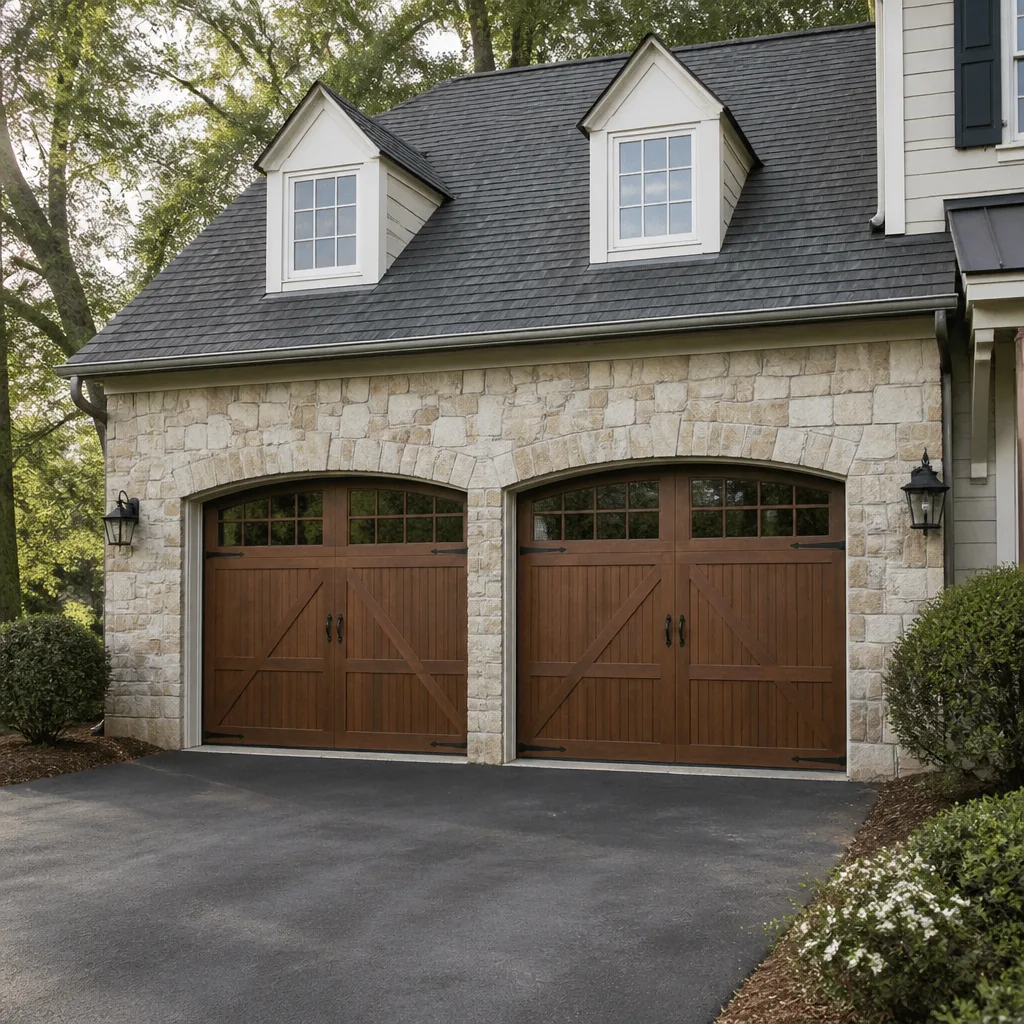 Carriage house
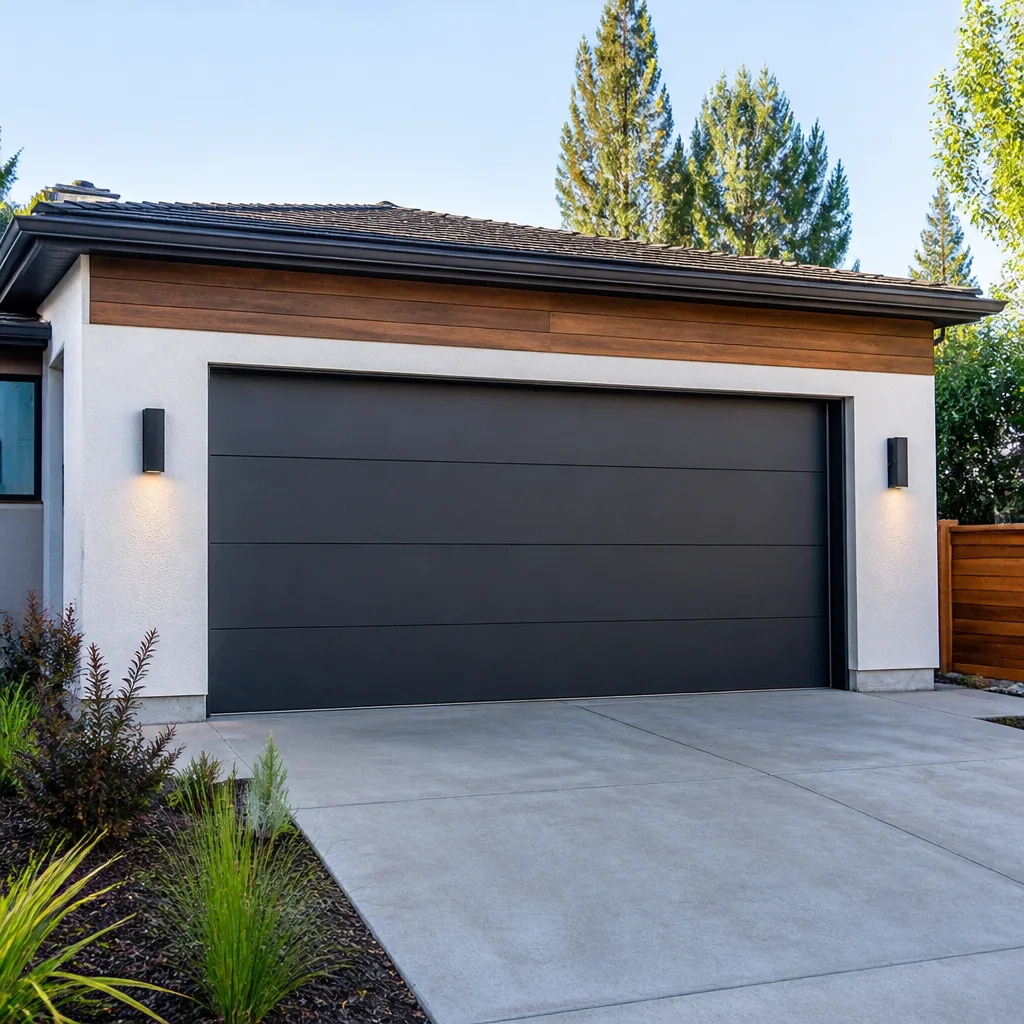 Modern flush
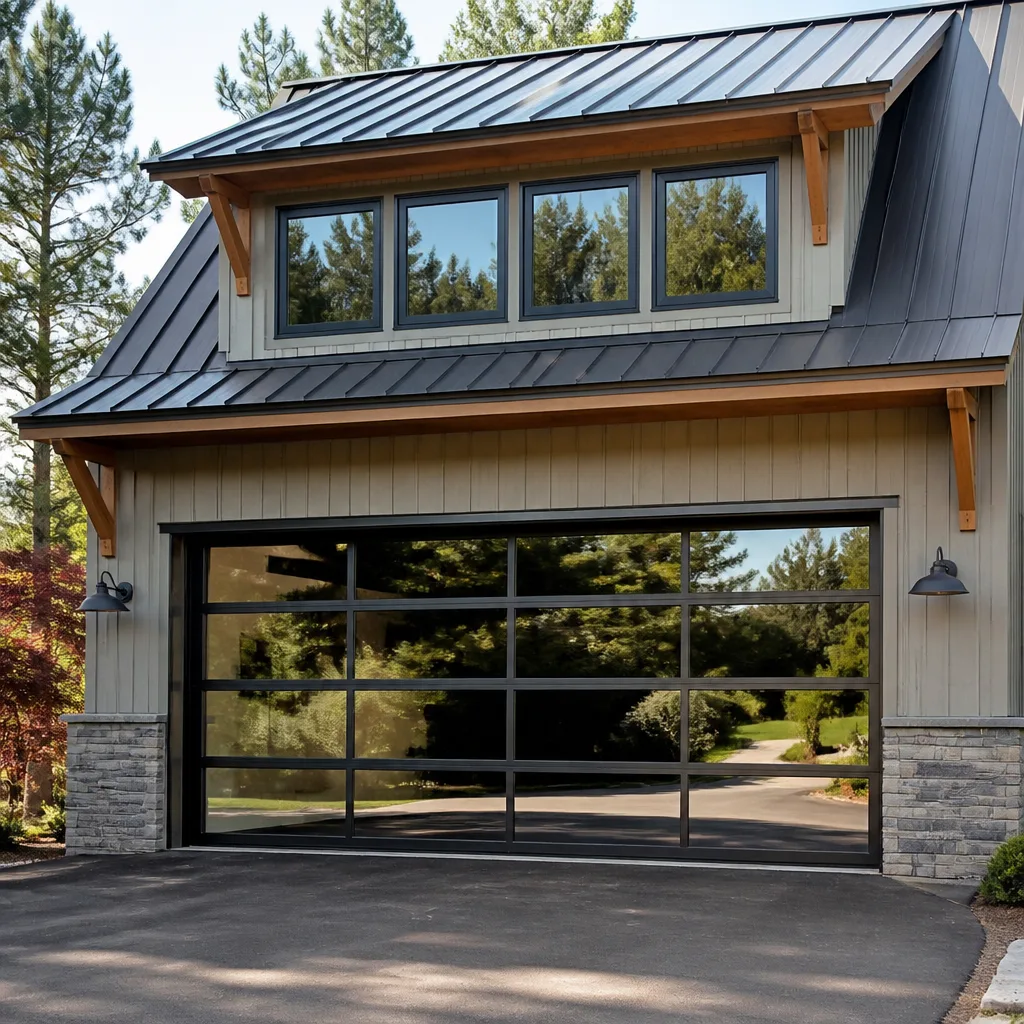 Full-view glass
 LiftMaster openers
 Chamberlain openers
Full 25-point door and opener safety check with every visit - springs, cables, rollers, tracks, and your LiftMaster or Chamberlain opener included
You get a price before we start. It does not change when the pro arrives.
Get your free estimateSeasonal Garage Door Care for Shoreline: Year-Round Homeowner’s Guide
Most garage door advice is written for a place with four equal seasons. Shoreline doesn’t have that. What we have is a long wet stretch from roughly October through May, a short dry window in summer, and a shoulder period in late August and September that decides how the rest of the year goes. That’s the counterintuitive part: the maintenance that matters most happens in the dry months, not during the rain. Homeowners who skip it usually find out in the first soaking week of fall, when the phone starts ringing with doors that won’t seal, openers that strain, and springs that were already tired in July. This guide lays out a month-by-month map for Shoreline, explains what our wet climate does to specific parts, and shows you where the real risk sits.
Quick Answer
Seasonal garage door care in Shoreline comes down to three moves: clear and lubricate the moving parts every spring, do the heavy inspection and weatherstripping work in the dry late-August-to-September window, and check the bottom seal, tracks, and opener response before the fall rains return. Most of the emergency calls we see in November and December trace back to tasks that were skipped in September. If you do nothing else, get the door balance-tested and the bottom seal checked before the wet season starts.
Styles & brands we work with
- Raised-panel steel
- Carriage house
- Modern flush
- Full-view glass
- LiftMaster openers
- Chamberlain openers
Table of Contents
- Why Shoreline’s Climate Changes the Maintenance Calendar
- The Month-by-Month Task Map for Shoreline
- Late August Through September: The Highest-Value Window
- How Pacific Northwest Rain Affects Seals, Weatherstripping, and Wood Panels
- Cold-Weather Opener Behavior: Sluggish Is Not Broken
- The Summer Tasks That Prevent Fall and Winter Calls
- The Right Materials for a Wet Climate
- The Five-Minute Monthly Check
Why Shoreline’s Climate Changes the Maintenance Calendar
A garage door in Shoreline lives a different life than one in a dry valley or a place with hard freezes. Our winters are mild but damp, and damp is the harder of the two to design around. Water doesn’t arrive as a single dramatic event. It arrives as weeks of drizzle, cool nights, condensation on cold metal, and ground that stays saturated. That pattern works on a door slowly and steadily rather than all at once.
The practical result is that failure modes follow our weather, not the calendar on the box. Springs don’t snap because of one cold morning here; they fatigue over thousands of cycles with little seasonal relief. Bottom seals don’t split from a single freeze; they take in moisture, go stiff, and stop flexing against the threshold. Openers don’t die in a dramatic way; they get sluggish and the homeowner assumes the motor is gone when it’s something simpler.
There’s also the housing side. Shoreline has a lot of older homes with attached garages where the door faces weather most days of the year and the interior stays cool and humid. That combination is gentle on some parts and rough on others, and it means a maintenance plan built for a drier climate misses what actually matters here.
- Mild, damp winters: moisture lingers for months, so seals and wood stay wet far longer than in a dry-cold climate.
- Cold nights, cool days: condensation on metal surfaces, especially on the inside of the door.
- Short dry window: summer is when you can actually inspect and fix without fighting the weather.
- Long wet season: anything left broken in October stays broken, and usually worse, until spring.
That’s why we push the seasonal calendar so hard. In Shoreline, timing isn’t a nice-to-have; it’s most of the job.
The Month-by-Month Task Map for Shoreline
Generic maintenance charts split the year into four seasons. Ours splits it into a wet season, a dry season, and one transition window that carries the most weight. Here’s what to do when.
- January through March: Watch for water staining at the bottom of the door and along the threshold. Test the bottom seal by hand for stiffness. Listen for new rattles or a change in the opener’s sound. These months are about noticing, not fixing – most repair work waits for drier weather unless something fails outright.
- April and May: Spring lubricant pass on the moving parts. Clear the tracks of grit and debris. Test the safety reverse every month from here on. Check that the door opens by hand with reasonable resistance.
- June and July: Dry-season inspection. Look closely at cables, rollers, hinges, and the bottom seal. This is when you can pull a seal back and see what’s behind it. Clean and treat any wood panels while they’re dry.
- Late August and September: The big one. Full weatherstripping review, threshold seal replacement if it’s stiff or cracked, hardware tightening, balance test, and a full opener check. Everything you want sorted before the rain returns happens here.
- October through December: Damage control. Clear gutters and drainage near the garage so water doesn’t pool at the door. Confirm the bottom seal sits flush. If anything failed all year, this is when you feel it most.
One more note for Shoreline homeowners: if a door is going to fail, it usually does so in the first wet weeks because that’s when the seal, tracks, and opener all get tested at once. Doing the September work means that test happens on a door that’s ready for it.
Late August Through September: The Highest-Value Window
If you only do maintenance once a year in Shoreline, do it in the late August to September window. The reasoning is simple. You have dry weather to work in, you have weeks before the first real rain, and you have enough time to order parts if something is found that needs replacing. Miss that window and everything shifts into a wet-weather scramble.
Here’s what that window should cover:
- Balance test: Disconnect the opener and lift the door halfway by hand. It should stay put. If it drifts down or falls, the springs are worn – that’s a spring conversation, not a door conversation.
- Bottom seal and threshold review: Run a hand along the bottom seal. It should flex, not crack. Check whether daylight shows at the corners. Any gaps are spots where the wet season will work its way in.
- Weatherstripping around the frame: Look for gaps at the top and sides. Loose or torn strips let wind-driven rain past the door and onto the interior floor.
- Hardware tightening: Hinges, brackets, and roller housings come loose over a season. Snug them while you’re already out there.
- Track and roller check: Any bent track, chipped roller, or grit in the track will get worse in wet weather.
- Opener test: Run the door up and down, test the safety reverse, and check that the opener responds cleanly. Any lag or odd sound gets noted now, not in November.
For many Shoreline homeowners, this window is also the easiest time to book a professional inspection. Doing it now means any work that needs a crew can be scheduled rather than rushed. If something turns up while you’re up there, garage door repair in the dry months is a calmer job than the same fix in a storm week.
How Pacific Northwest Rain Affects Seals, Weatherstripping, and Wood Panels
Rain here doesn’t arrive like weather; it arrives like climate. That’s a distinction that matters because it changes which parts of your door take the hit and how fast.
Bottom seals are the first line of defense. In a dry climate, a seal can crack and stay cracked for months without much consequence. In Shoreline, a stiff or slightly cracked seal lets moisture sit against the threshold, and that moisture sits for weeks. The seal doesn’t usually fail dramatically; it just stops doing its job gradually, and most homeowners don’t notice until they find dampness at the front of the garage floor.
Weatherstripping around the frame takes wind-driven rain against the perimeter. Loose strips peel back at the corners first, and small gaps let water in where it runs down the inside face of the door – often onto wood components.
Wood door panels react more slowly but more durably. Wet-dry cycling causes movement. Bottom rails absorb moisture and hold it if the finish has a break, and that’s where checking a panel edge in the dry season actually matters. If the paint or finish is intact, most wood doors handle Shoreline’s weather well. If the finish has breaks at the bottom edge, that’s the spot to catch before the wet season. Brands like Clopay and Amarr offer wood and wood-look options that behave differently from steel in this climate; where we’re familiar with the exact model, we can usually tell you which complaint is common for that line and which isn’t.
Steel doors hold up well, but condensation on the inside face is a real thing when cold nights hit a cool interior. That’s not a leak; it’s just physics. Ventilation through the garage helps, and so does keeping the bottom seal sound so moisture from the floor doesn’t join it.
Where we see the most damage is the door that has a small issue in June and a much bigger one by February. Our wet season is forgiving in the short term and unforgiving in the long term.
Cold-Weather Opener Behavior: Sluggish Is Not Broken
One of the most common misdiagnoses we see in Shoreline winters: the door feels sluggish, the opener sounds labored, and the homeowner is ready to replace a motor. Usually the motor is fine. What’s happening is a combination of conditions that show up in our specific climate.
- Stiff lubricant: Cold nights and cool days thicken lubricant in the tracks, rollers, and opener mechanism. The opener works harder against it.
- Stiff seals: A bottom seal that has taken in moisture is harder to drag across the threshold when the door comes down.
- Condensation in the rails: Small amounts of moisture in the track create drag and sometimes an odd metal-on-metal sound.
- Battery and remote issues: Cold affects batteries in remotes and keypads. A door that sometimes doesn’t respond may be a battery issue, not a motor one.
What this looks like in practice: the opener seems slow on the first cycle of the morning, then normalizes by afternoon. Or the door works from the wall button but the remote takes a press or two. Those symptoms usually point to environment and maintenance, not failure. A lubricant pass, a seal check, and fresh batteries solve most of it.
If the symptoms persist after those basics, garage door opener repair is the right call. Modern units from LiftMaster, Chamberlain, Genie, and Craftsman all have their own quirks in damp weather, and our technicians have up to 10 years of experience diagnosing those specific behaviors rather than guessing at them. A sluggish opener that gets ridden hard through a wet winter can turn into a genuine motor failure, though – so don’t ignore it all season.
The Summer Tasks That Prevent Fall and Winter Calls
Most of the November-through-January emergency calls we see trace back to something that could have been caught in July. Summer in Shoreline is the only window where you can inspect thoroughly, order parts, and finish work without fighting the rain. Treat it like the home’s annual garage checkup.
Here’s the summer work that pays for itself later:
- Spring inspection. Springs aren’t DIY territory – torsion springs especially are under extreme tension and can cause serious injury if handled wrong. A visual inspection for gaps, rust, or an out-of-balance door is the homeowner-safe part. If the door won’t hold halfway, book garage door spring repair with a trained technician.
- Full hardware check. Hinges, brackets, roller stems, and the opener rail. Tighten, replace, or note what needs attention.
- Weatherstripping replacement. Dry weather makes this a clean job and lets you see exactly where the old strips were failing.
- Wood panel treatment. Sand and refinish any section with a broken finish, especially at the bottom edges.
- Garage interior check. Water staining on the floor tells you where the seal is failing, even if the seal looks fine from outside.
- Door finish review. A door that needs paint holds up much better when the paint goes on in dry weather rather than in a wet October window.
Wayne Dalton and Raynor doors in particular use panel and seal systems that respond well to early attention; small issues that would be minor in July are much more expensive to fix in the middle of the wet season. Summer is also when most of our Shoreline customers schedule non-urgent repairs, and it’s the calmest time to plan any larger job.
If you use the garage as your main entry – as many Shoreline homeowners do – a dry-season checkup is the cheapest insurance against a wet-season lockout.
The Right Materials for a Wet Climate
Material choice matters more here than in most of the country. A seal or strip that works fine in a dry climate can fail within a season in Shoreline’s wet one. Here’s what we look at when choosing replacement parts.
- Bottom seals: Look for EPDM or vinyl that stays flexible in cool, damp conditions. A stiff seal defeats the purpose even if it’s new.
- Threshold seals: A rigid, adjustable threshold seal helps because it can be re-set as the ground shifts and the door settles over a wet season.
- Frame weatherstripping: A closed-cell foam or vinyl strip in a retainer holds up better than open-cell foam in a damp climate.
- Rollers: Nylon rollers tend to stay quieter and smoother through damp weather than steel ones.
- Lubricant: A silicone or lithium-based lubricant suited to cool, damp conditions outlasts general-purpose oil in this climate.
- Fasterners and hardware: Galvanized or coated hardware lasts longer when it’s damp for months at a time.
We carry and work with brands like Amarr and Craftsman, and we’re familiar with the parts and quirks that come with each. When we recommend a replacement, it’s because that specific product has held up in the same conditions the door is going to see – damp, cool, and wet for most of the year.
One more point on materials: it’s tempting to buy a seal online and install it yourself. That’s fine for a straightforward bottom seal on a door with clear access. For anything involving weatherstripping in a tight pocket, or threshold seals that need to be aligned precisely, having it fitted correctly the first time is worth more than the savings. A seal that sits a few millimeters off may look fine and still let water in.
The Five-Minute Monthly Check
The bigger seasonal tasks get the attention, but a five-minute monthly pass catches most issues before they become the reason you’re calling someone. Here’s the routine we recommend to Shoreline homeowners.
- Test the safety reverse. Put a roll of paper towels or a block of wood flat in the door’s path and run the door down. It should reverse on contact. This is the single most important safety check on a garage door.
- Listen for changes. The opener’s normal sound changes when something is loosening, binding, or developing a fault. Note anything new.
- Look at the bottom seal. A glance at the threshold tells you whether the seal is sitting flush or whether there are gaps.
- Check the tracks for debris. Pine needles, leaves, and grit collect in tracks faster than you’d think in this part of the country.
- Test the balance if the door feels different. If the door has suddenly started opening more slowly or closing harder, disconnect it and check whether it holds halfway up by hand.
A close-watching routine is especially useful in Shoreline because our slow, damp season gives you plenty of warning if you’re paying attention. Most failures here announce themselves; the problem is usually that nobody’s checking. Once you have the rhythm down, the monthly pass becomes as routine as checking the smoke detectors.
For a broader picture of repair scenarios and what to expect from a proper diagnosis, the Shoreline Garage Door Repair Pros homepage lays out the full scope of what we cover, from repair and opener work to full installation.
Common Mistakes to Avoid
- Treating the seasons as equal. Shoreline’s year is dominated by one long wet season. Writing your maintenance plan as if there are four distinct seasons means the tasks land at the wrong time for our weather.
- Skipping the September window. Doing the weatherstripping in October is a fight; doing it in late August is a proper fix. The late summer window is the last clear one before the rain settles in.
- Replacing an opener that only needed adjustment. A sluggish opener in a wet winter is very often a stiff seal, thick lubricant, or cold battery. Replacing the motor is an expensive way to solve what a maintenance pass fixes.
- Choosing the cheapest bottom seal. A stiff, cheap seal that hardens in wet weather defeats the purpose. In this climate, flexibility matters more than price.
- Ignoring small gaps at the corners. Water follows the lowest point. A tiny gap at the corner of a weatherstrip is where the wet season starts working on the door.
- Missed safety-reverse tests. It’s the most important check on the door, and it’s the one most homeowners forget to do because nothing was obviously wrong.
- Letting wood panels go one more season. A compromised finish on a wood door will not improve with time. Sanding and refinishing in dry weather is far less work than repairing rot that develops over a wet winter.
- Ignoring the garage floor. Water stains on the floor tell you exactly where the seal is failing, even if the seal looks fine from outside.
See the difference
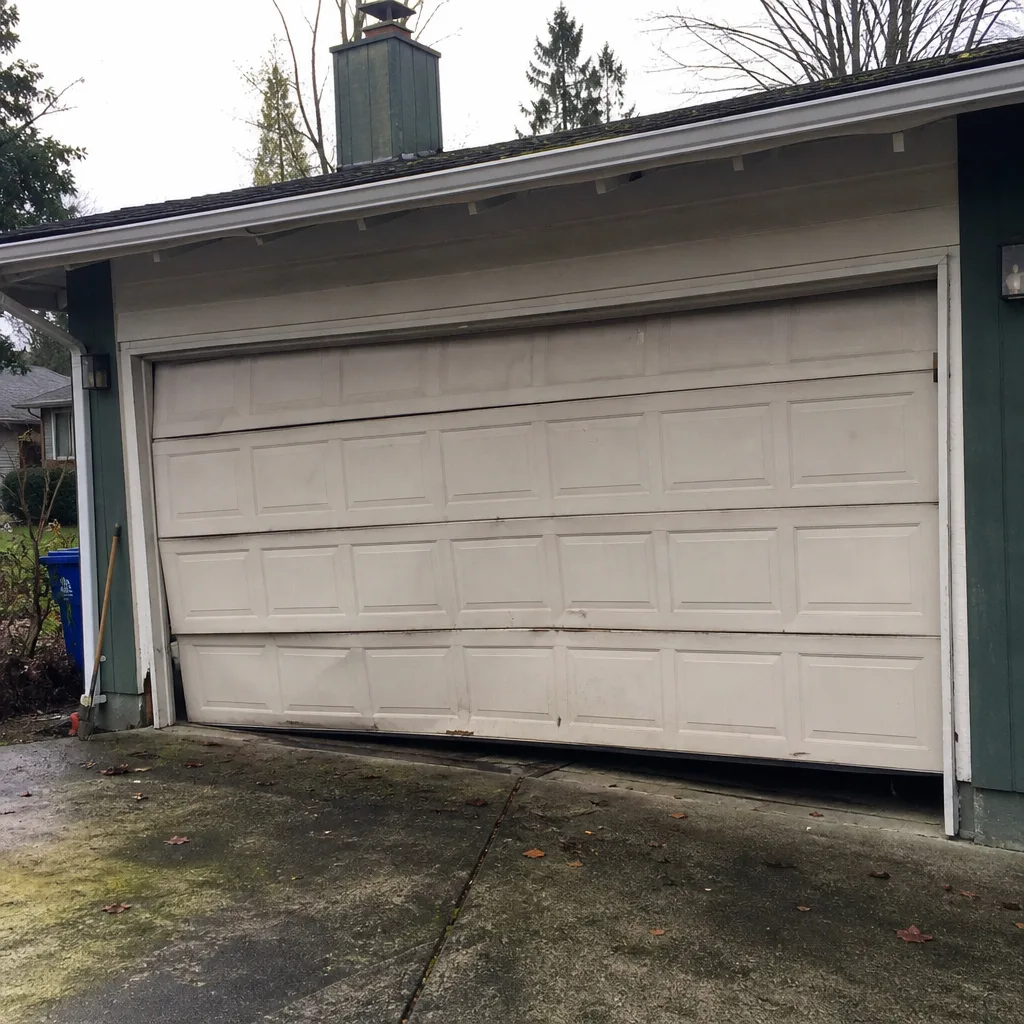 Before
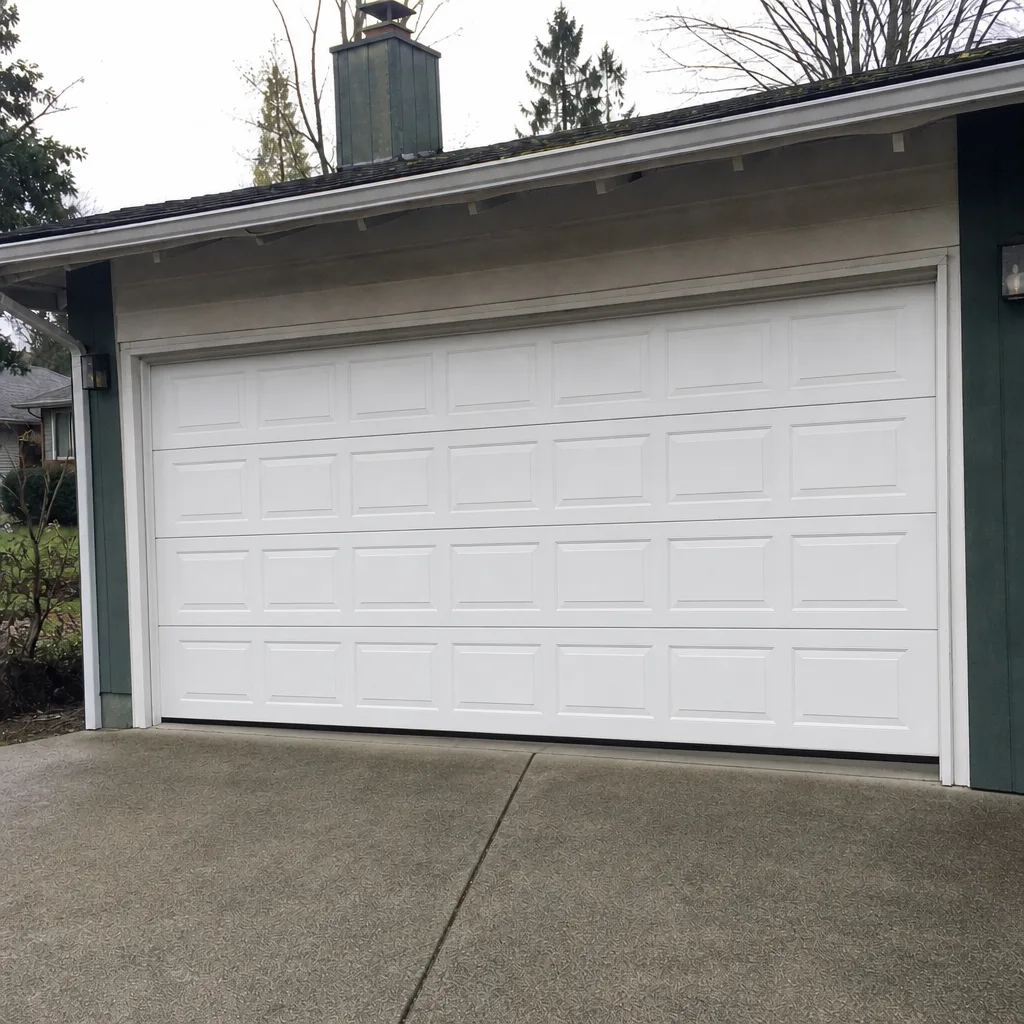 After
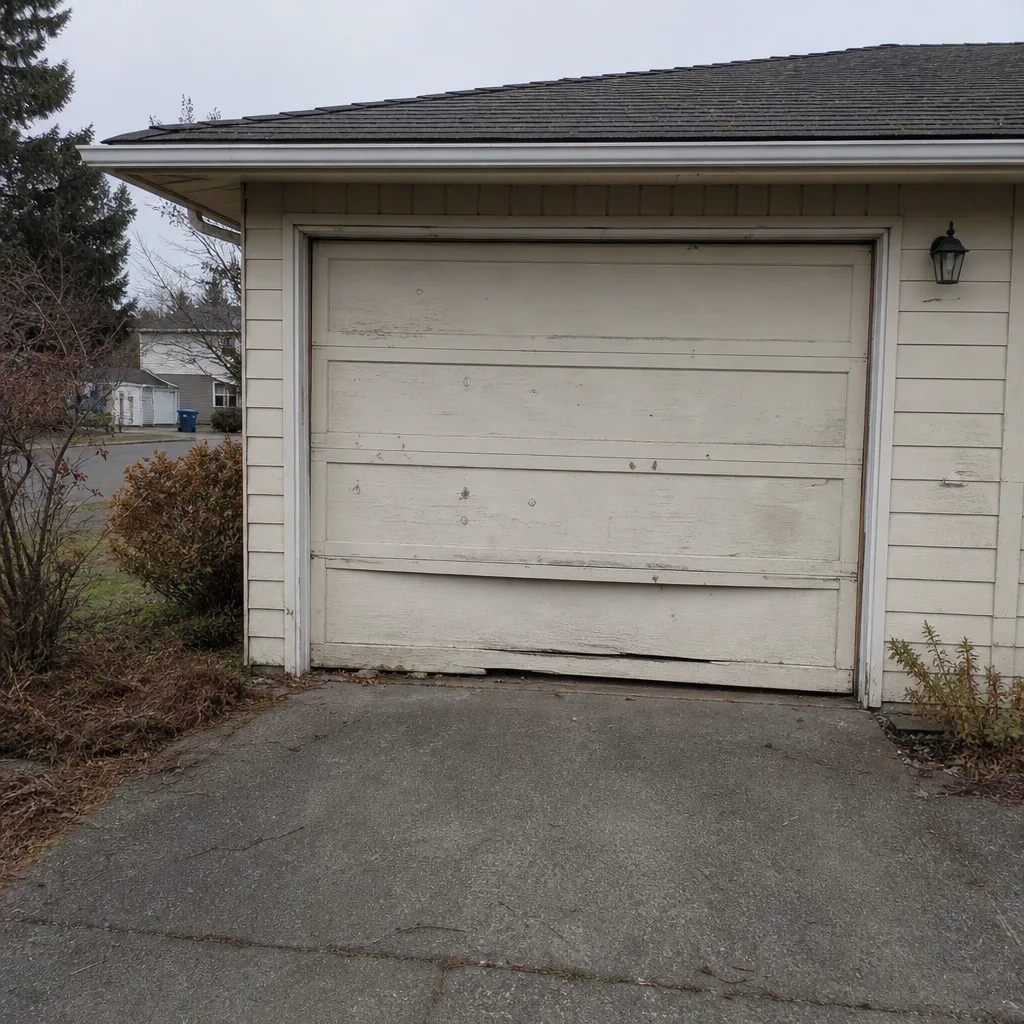 Before
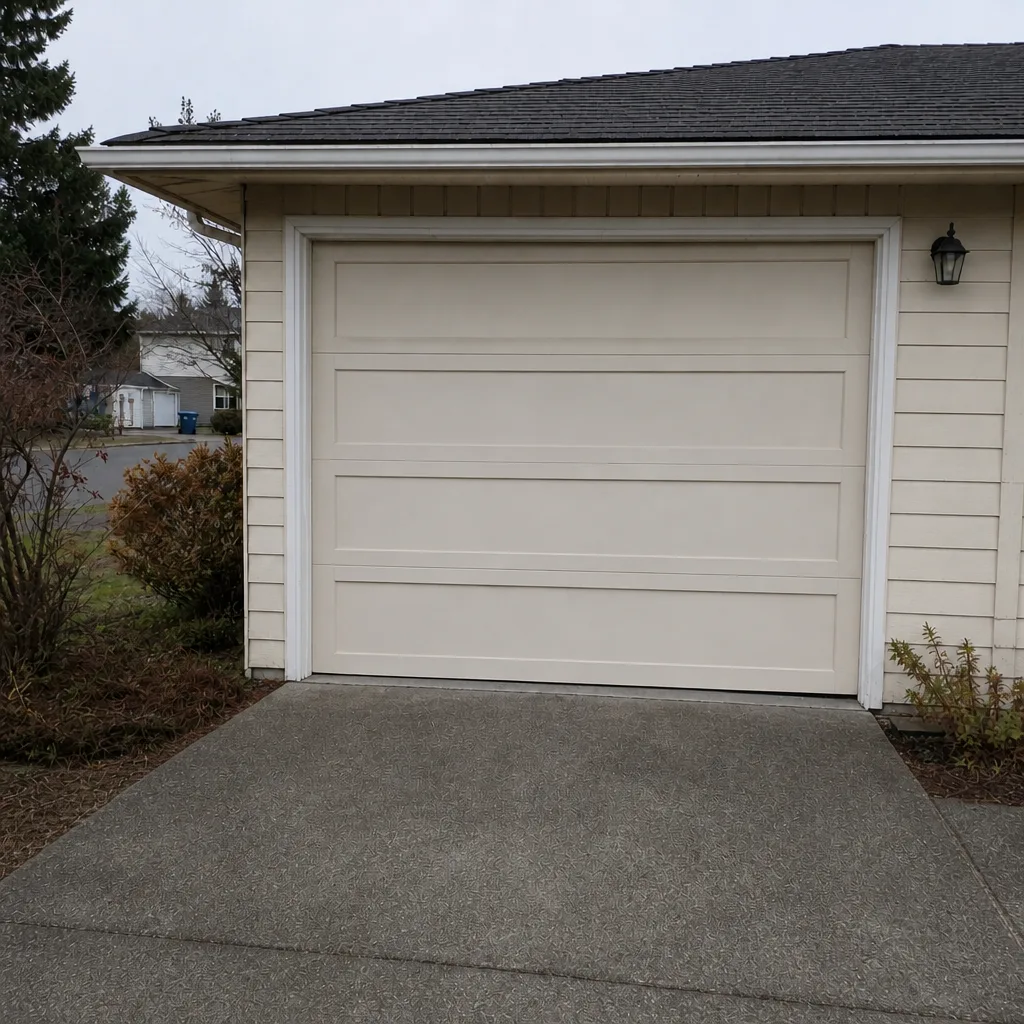 After
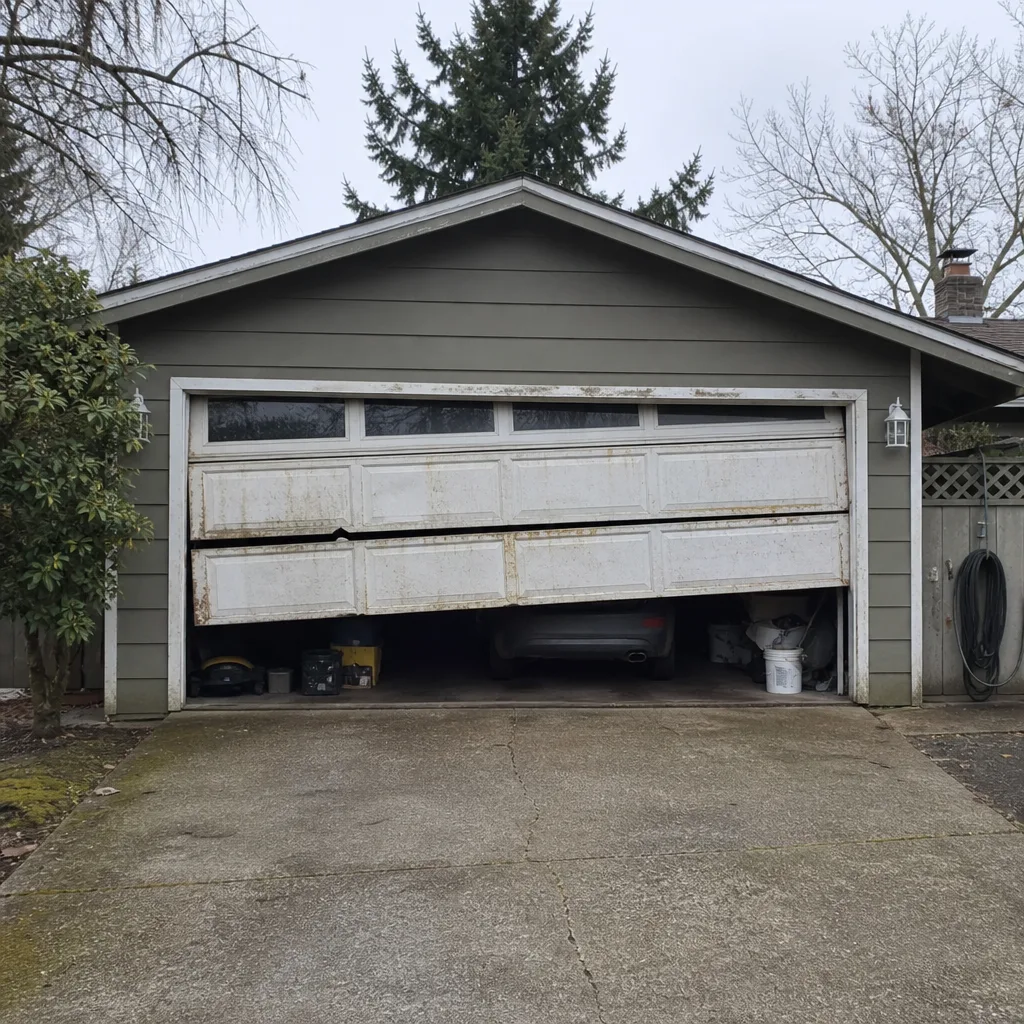 Before
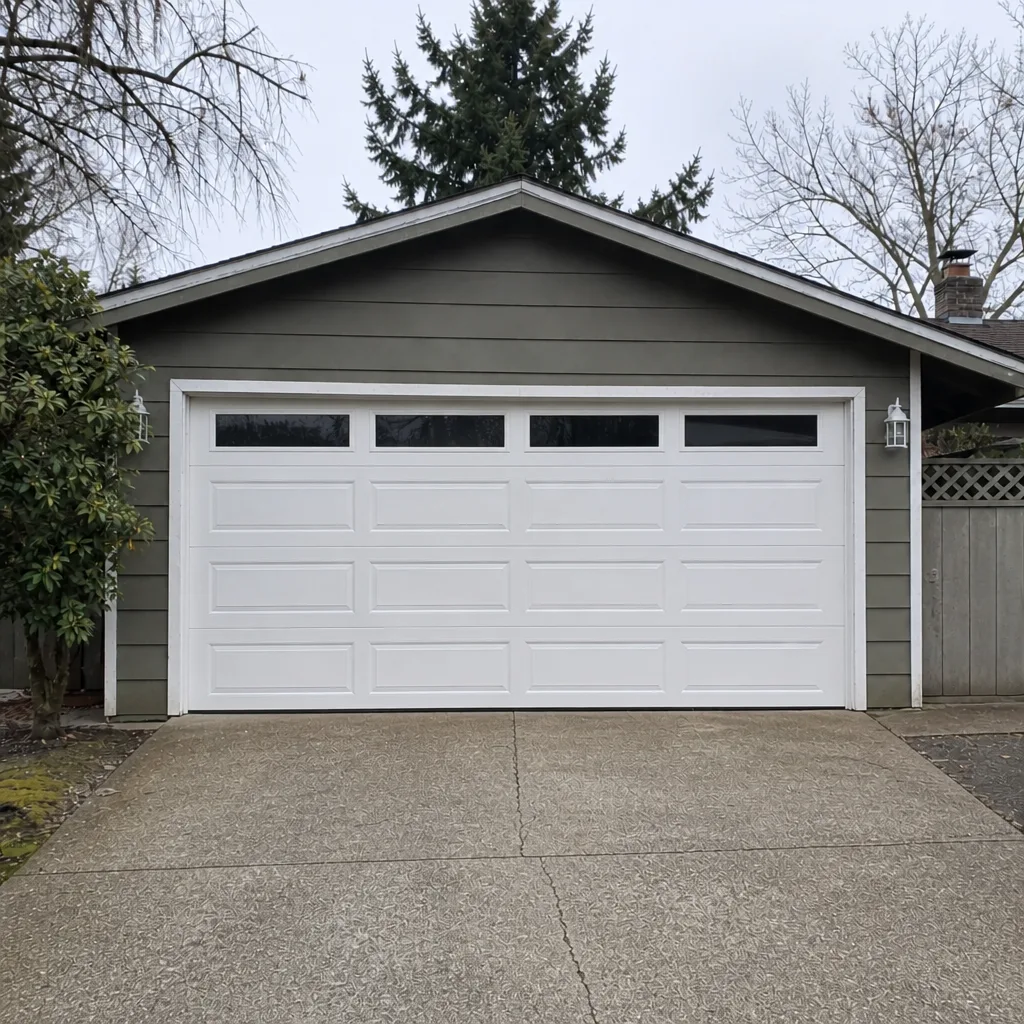 After
When to Call a Professional
Some jobs are homeowner-friendly: a monthly safety test, a wipe-down of the tracks, a new battery in the remote, or swapping a bottom seal on a door with clear access. Others are genuinely not: spring work, cable work, and anything that requires disassembling heavy components under tension. Torsion springs can cause serious injury if handled without the right tools and training, so if the door won’t hold halfway up, or you hear a loud bang from the spring area, stop and call a trained technician.
The other scenario that warrants a call is urgency. A door that’s stuck and blocking your access, or one that’s left your home exposed, needs to be sorted quickly. We answer 24/7. Fast dispatch, 7am-7pm, Sunday through Friday. Same-day service is available for urgent repair jobs, and the price is quoted and agreed before any work starts. Shoreline Garage Door Repair Pros offers free estimates in Shoreline – call (877) 792-6114. With technicians who have up to 10 years of experience and familiarity with LiftMaster, Chamberlain, Genie, Clopay, Amarr, Wayne Dalton, Craftsman, and Raynor equipment, we handle springs, openers, panels, and full replacements.
Frequently Asked Questions
Late August through September. That’s the dry window before the wet season returns, and it’s when weatherstripping, threshold seals, and hardware checks can be done thoroughly. Doing the same tasks in October is much harder because of the rain and you’re working against the clock. If you do only one maintenance pass a year in Shoreline, do it then.
Cold nights and damp conditions thicken lubricant in the tracks and rollers, stiffen the bottom seal, and can slow a battery-powered remote. That combination makes the opener work harder, and the door feels labored. It’s almost always environmental rather than a motor failure. A lubricant pass, a seal check, and fresh remote batteries resolve most of it. If it persists, call a technician for a proper diagnosis – garage door opener repair is the right starting point.
Not necessarily every year, but you should check it every year – especially in the dry season. Replace it when it’s stiff, cracked, or no longer sits flush. In our damp climate, a seal that’s still flexible is doing its job; one that’s hardened isn’t, even if it looks intact from outside. The right replacement material matters more here than the calendar.
You can visually inspect springs for gaps or rust, and you can check whether the door holds halfway up when you disconnect the opener. That balance test is homeowner-safe. What you should not do is adjust or replace torsion or extension springs yourself – they’re under extreme tension and can cause serious injury if handled wrong. For anything beyond a visual check, garage door spring repair should be handled by a trained technician.
The first weeks of the wet season test everything on the door at once: the seal, the tracks, the opener, the hardware. Doors that were skipped in September suddenly have to perform in rain, and any weak point shows. A door that’s been making an odd noise or showing a small gap since summer will reveal it in the first wet week. Getting ahead of it in the dry season prevents most of those calls.
We work with eight of the most common brands on the market: LiftMaster, Chamberlain, Genie, Clopay, Amarr, Wayne Dalton, Craftsman, and Raynor. Each has its own behaviors and common issues in a damp climate. Familiarity with the equipment means we’re diagnosing it, not learning it on your driveway. If you’re not sure what brand you have, we can identify it when we see it.
The Bottom Line
Shoreline’s weather doesn’t offer four equal seasons; it offers a long wet stretch and a short dry window that decides how the rest of the year goes. The homeowners who avoid the fall-and-winter scramble are the ones who use late August and September to check seals, tighten hardware, test the balance, and confirm the opener is behaving. A five-minute monthly check catches most issues early, and the wet season itself is patient enough to give plenty of warning – if anyone’s watching. If you’d rather have a trained technician go through it all before the rain returns, call (877) 792-6114. We answer 24/7. Fast dispatch from 7am to 7pm, Sunday through Friday. Free estimates, and no work starts before the price is agreed.
Written by the team at Shoreline Garage Door Repair Pros.