
Last updated November 23, 2026
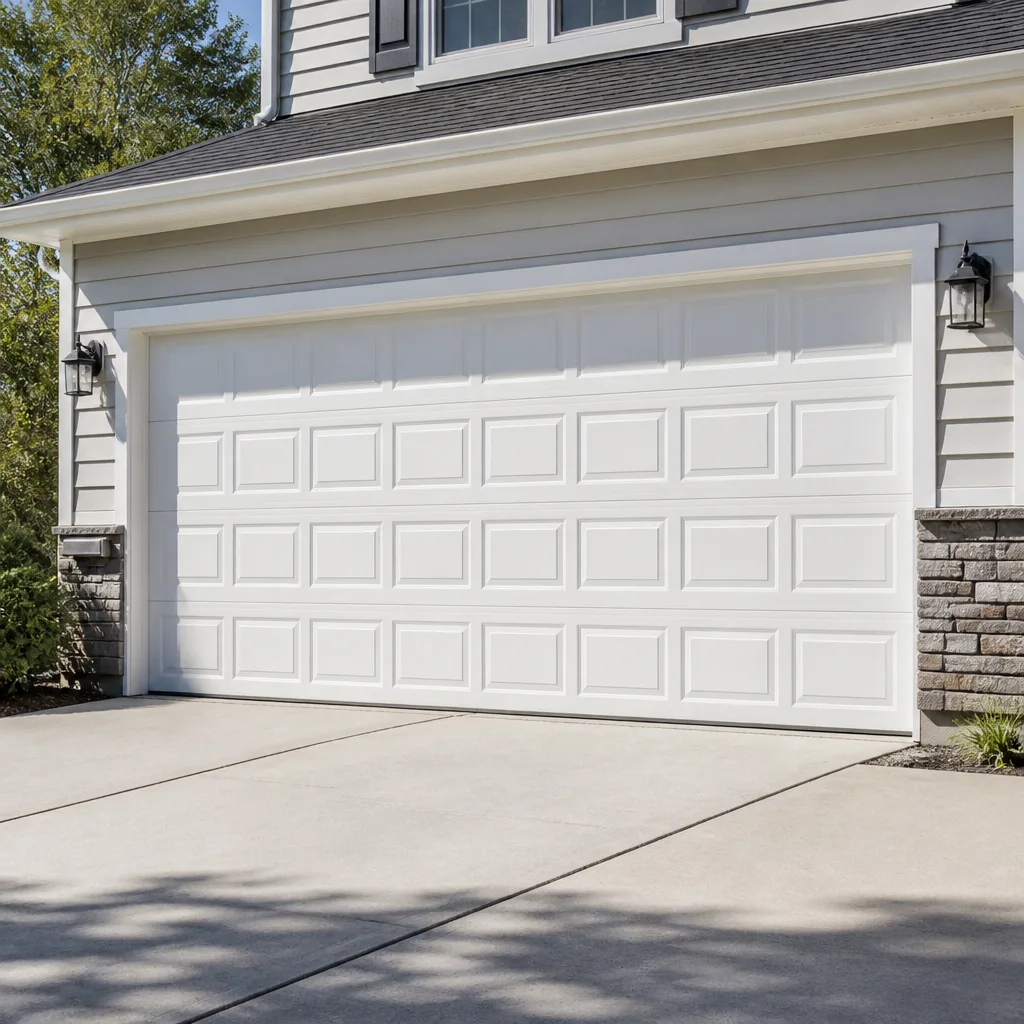 Raised-panel steel
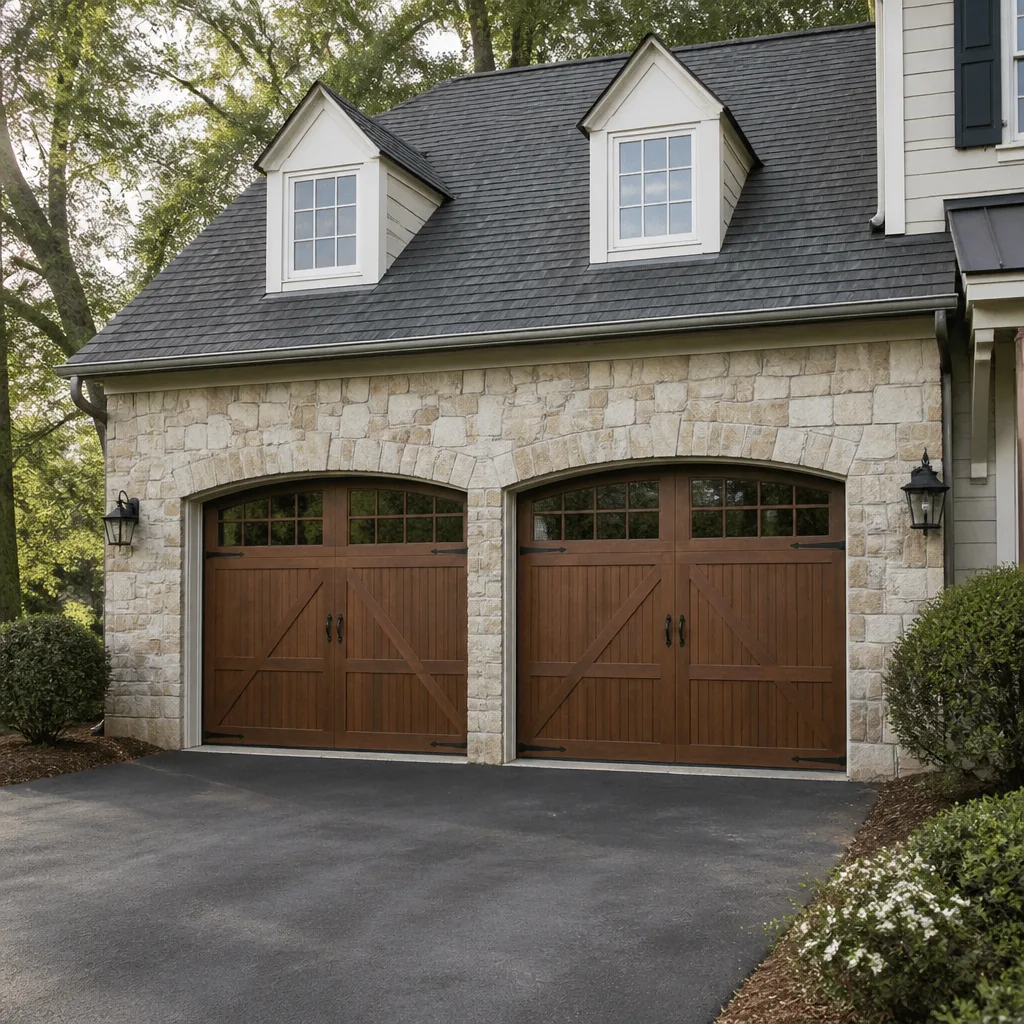 Carriage house
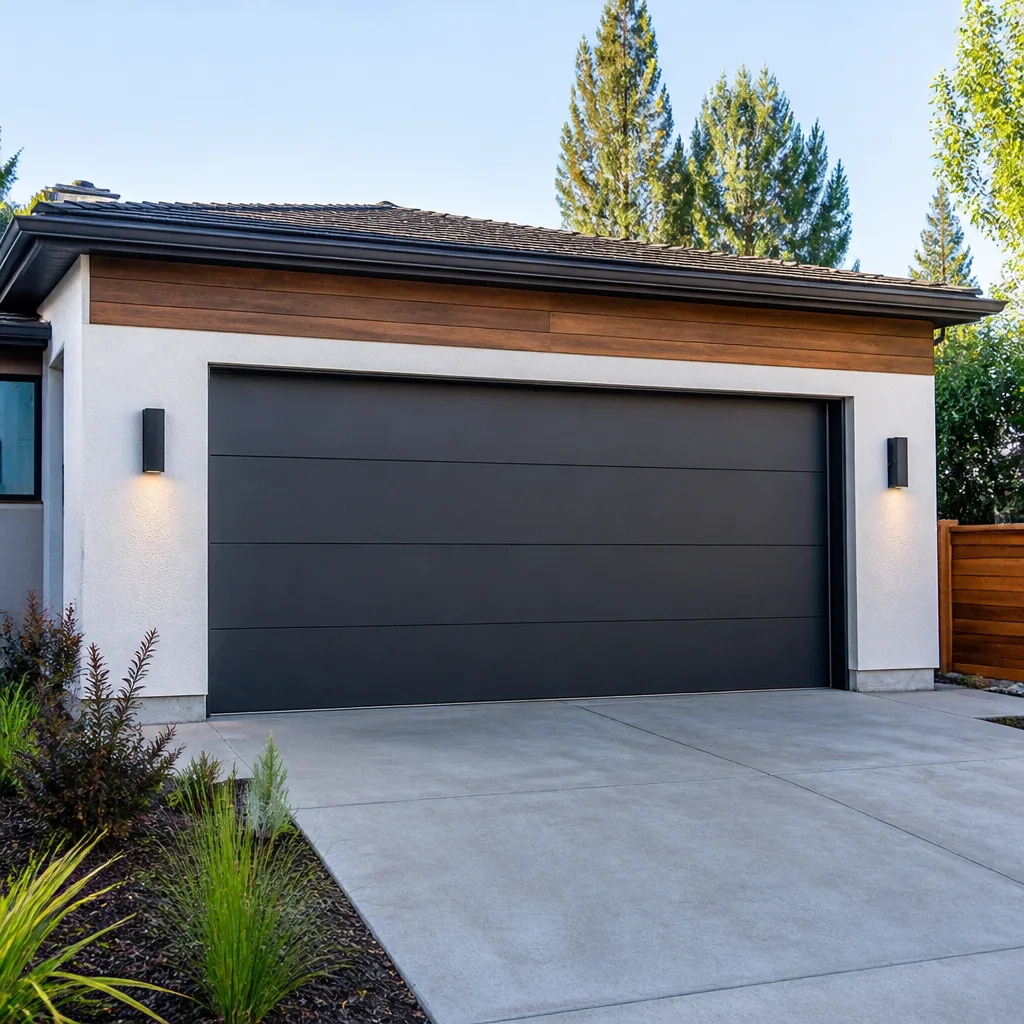 Modern flush
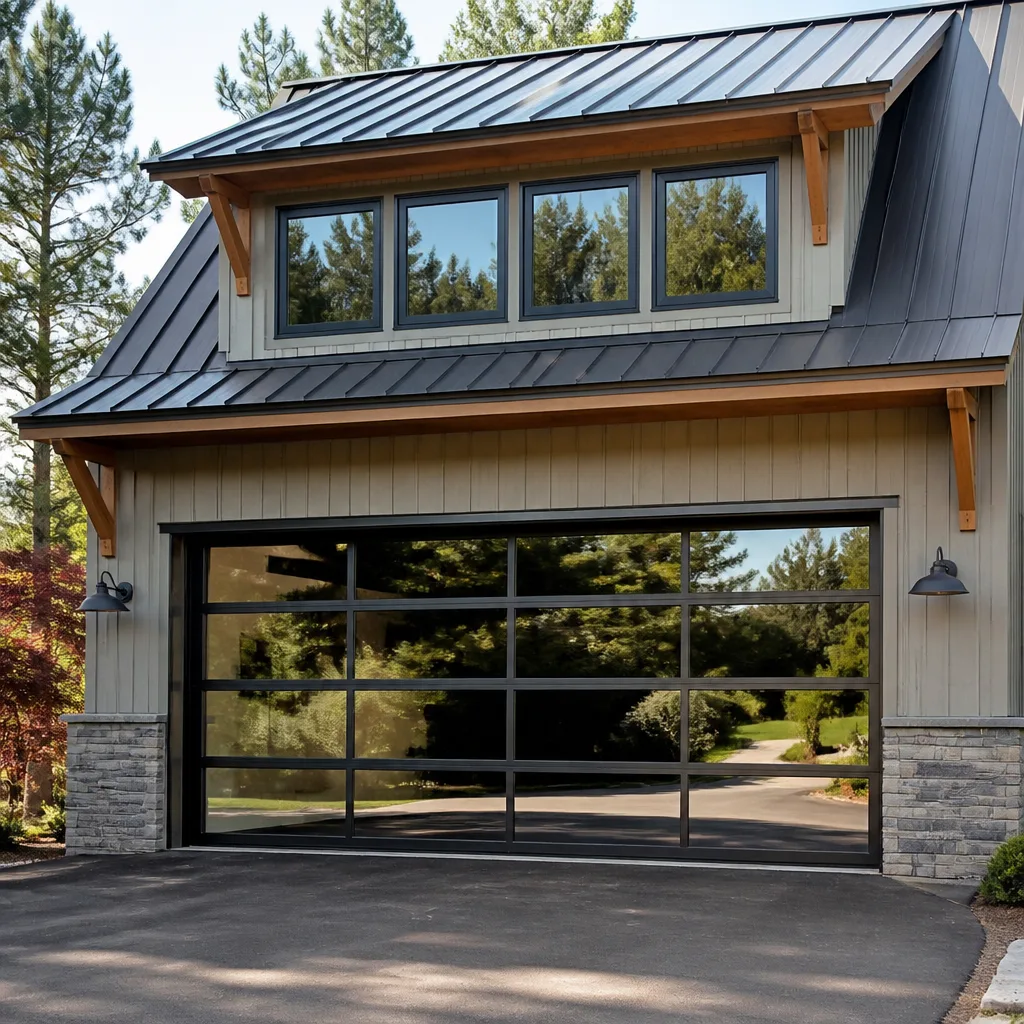 Full-view glass
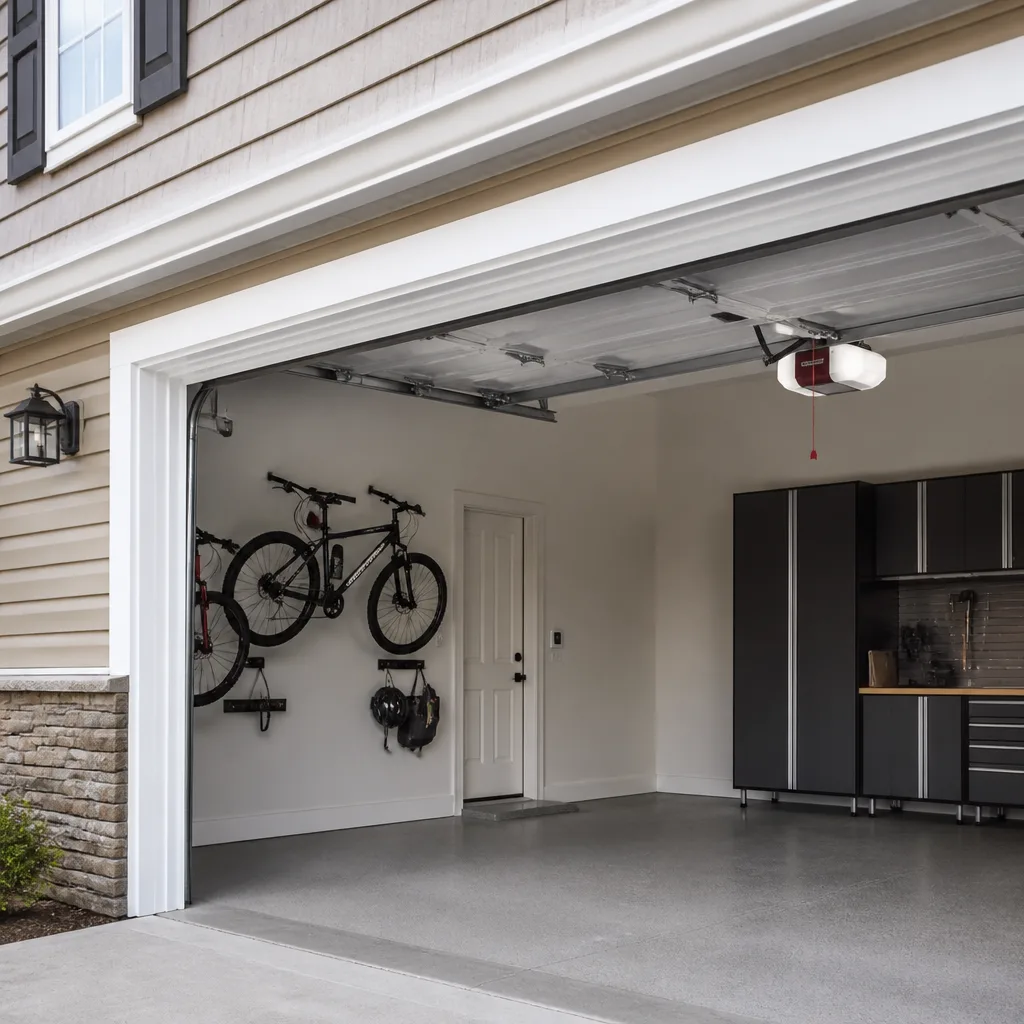 LiftMaster openers
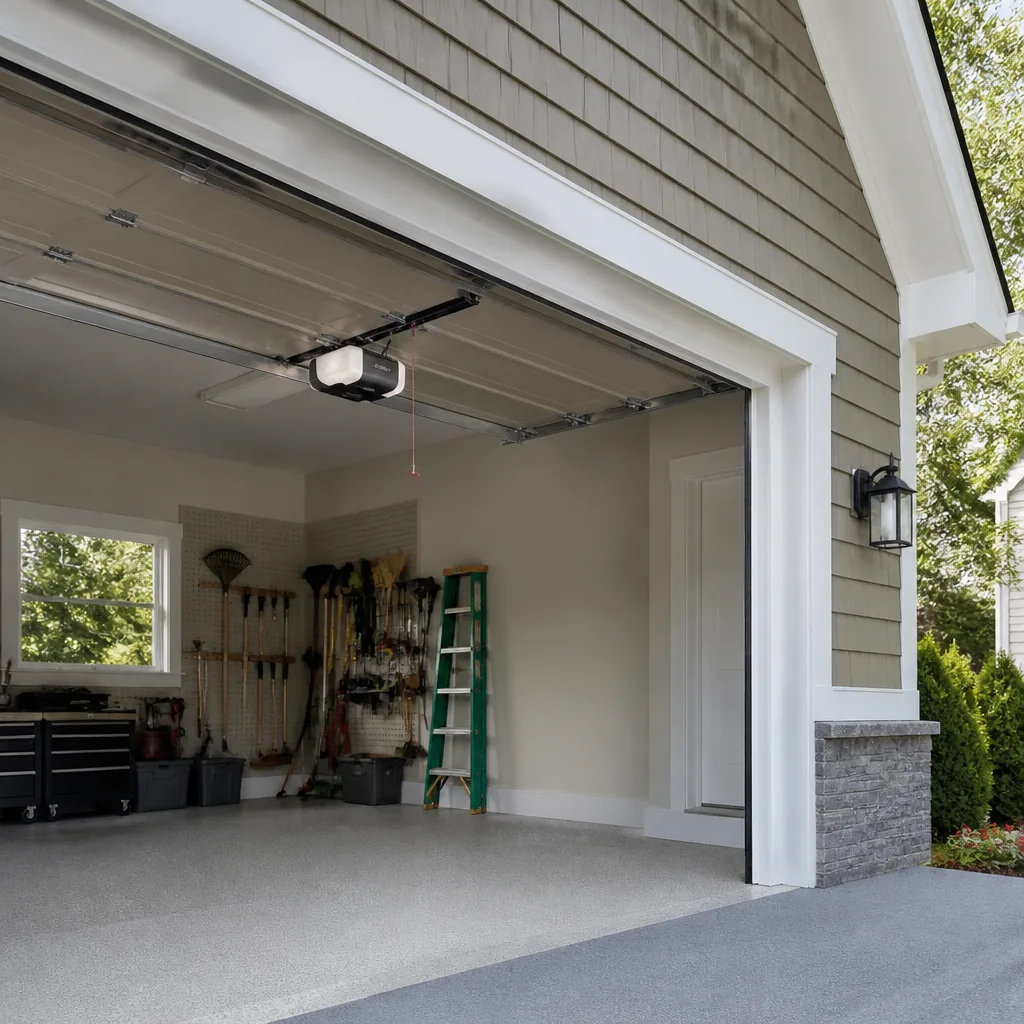 Chamberlain openers
Full 25-point door and opener safety check with every visit - springs, cables, rollers, tracks, and your LiftMaster or Chamberlain opener included
You get a price before we start. It does not change when the pro arrives.
Get your free estimateGarage Door Emergency Preparedness Guide for Shoreline Homes
Most homeowners in Shoreline don’t think about their garage door until it stops working. And when it stops, it usually stops at the worst possible moment: a windstorm knocks out power, a spring snaps with the car trapped inside, or the door hangs half-open in the rain. The counterintuitive point of this guide is that the worst outcomes are preventable, and the prevention takes about fifteen minutes. You’ll learn how to release your door manually without damaging it, how to secure a door that won’t close, what to do in the first half hour of an emergency, and what to check before the next storm season in Shoreline.
Quick Answer
A garage door emergency in Shoreline is best handled by testing your manual release now, keeping an emergency contact saved, and knowing when to stabilize the door yourself versus calling for professional help. In the first 30 minutes, secure the opening, keep people clear of the door, and call (877) 792-6114 if springs, cables or the opener are involved. We answer 24/7.
Styles & brands we work with
- Raised-panel steel
- Carriage house
- Modern flush
- Full-view glass
- LiftMaster openers
- Chamberlain openers
Table of Contents
- What Counts as a Garage Door Emergency?
- What to Do in the First 30 Minutes
- How to Release Your Door Manually (By Opener Type)
- How to Secure a Door That Won’t Close
- Shoreline Weather Events and the Emergencies They Create
- The Preparedness Checklist to Complete Now
- When to Call a Professional
- Frequently Asked Questions
What Counts as a Garage Door Emergency?
Not every malfunction is an emergency, and treating a minor problem like one wastes your time and money. On the other hand, some situations genuinely can’t wait until a scheduled appointment. The dividing line is whether people are trapped, the home is left open to the street, or something dangerous is under load. We sort calls into four categories.
True emergencies
- Someone is trapped inside or outside. A car is stuck in the garage, or a family member is locked out with no other working entry.
- The door is hanging open and won’t close. The house is exposed to weather or to forced entry overnight.
- A spring has snapped and the door is stuck partially open. The door is suspended and can drop without warning.
- A cable is broken or off its drum. The door is now unstable and dangerous to move.
Urgent but manageable
The door won’t open but won’t close either. The opener runs but the door doesn’t move. A panel is dented and the door binds. These need same-day attention, but you can usually secure the space first.
Not an emergency
A noisy door, a remote that works intermittently, a keypad with a dead battery, a light that won’t turn off. These are appointments, not emergencies, and they’ll keep until morning.
If your door is stuck and you’re not sure which category it falls into, call (877) 792-6114. Our technicians have up to 10 years of experience and can tell you in a few minutes whether it’s something to stabilize tonight or something to schedule.
What to Do in the First 30 Minutes
The first half hour of a garage door emergency determines whether you’ll spend the next few hours dealing with a stuck door or a much worse problem. Most people do the opposite of what they should: they try the remote again, they tug the handle, they try to lift a door that has a broken spring, and they make the problem worse. The decision tree below should be followed in order.
The decision tree
- Nobody touches the door until you’ve looked at it. Look at the springs above the door, the cables running down each side, and the track. If a spring is visibly broken (a two-inch gap in the coil, or a hanging safety cable), if a cable is frayed or lying loose, or if the door is visibly off its track, stop. Do not open or close it.
- Clear the area. Move cars, pets and kids away from the door. A door with a broken spring weighs 100 to 250 pounds and can drop suddenly.
- Decide: can you secure the opening? If nobody is trapped, the next thing is to secure the house. If your door is open and won’t close, that’s the priority. See the securing section below.
- If the door is safe to operate manually (springs and cables look intact), you can use the manual release to open it and get the car in or out. Follow the opener-specific steps below.
- Decide: stabilize or call. If the damage is mechanical (spring, cable, track, opener drive), call. If it’s something simple (a power interruption, a keypad, a remote), you may be able to reset it yourself.
If the answer to step five is “call,” we’re here to help. We answer 24/7, and we can talk you through keeping the door secure while help is arranged. For springs and cables, don’t try to lift the door at all. Those calls go to our garage door spring repair team.
A word on safety: torsion springs, extension springs and the cables that control them are under extreme load. They can release without warning, and injuries from garage door springs are serious. This is one of the most dangerous parts of any home for a DIY repair. We strongly recommend a trained technician for anything involving springs or cables.
How to Release Your Door Manually (By Opener Type)
Every garage door with an opener has a manual release, and everyone in your household should know how to use it. But the release mechanism and the mistakes people make vary by opener type, and disengaging it wrong can damage the door, the opener or both. Knowing your opener matters before the emergency, not during it.
First, identify your opener. The brand is usually printed on the motor housing (the box on the ceiling). Our technicians work on the major brands, including Genie, Clopay and Amarr openers and doors, so knowing yours means we can walk you through the specifics if it comes to that.
Standard chain- and belt-drive openers
Most LiftMaster, Chamberlain, Genie and Craftsman openers fall in this category. The release is a cord hanging from the trolley with a red or T-shaped handle.
- Close the door first if possible. The door must be fully closed for the release to work correctly.
- Pull the handle straight down, firmly, until you feel the trolley release.
- Lift the door gently by hand. If it takes real effort or feels bound, stop and lower it carefully. The springs are doing the work normally, and if they’re not, the door is heavy.
Common mistake: Pulling the release while the door is open. The door will drop. Only release with the door closed.
Screw-drive openers
Screw-drive openers use the same cord-and-trolley release. Follow the steps above. One extra caution: these openers bind more often when a door is out of balance, so if the door is heavier than you expect once released, it’s a sign the springs are tired and need professional attention.
Jackshaft openers (side-mounted)
Jackshaft openers mount beside the door and don’t have a ceiling trolley. The manual release is a lever or a pull cord on the motor itself. The most common mistake is pulling the release while the door is up, which lets the door slam down. Always bring the door fully down before releasing.
The #1 mistake across all opener types
Forgetting to re-engage. Once power returns or the emergency passes, the door has to re-engage with the trolley. With most openers, running the door with the opener or pulling the release cord again will snap the trolley back onto the carrier. If the opener runs but the door doesn’t move, the trolley isn’t engaged. Don’t try to force it; call for help and we’ll walk you through the reconnection for your specific brand.
If the manual release seems stuck, the trolley is jammed, or the door won’t lift with reasonable effort, the problem is mechanical. That’s a garage door repair situation, not a manual-release situation.
How to Secure a Door That Won’t Close
An open garage door overnight is a security problem. Shoreline homes see their share of door damage after windstorms, and a door that won’t close behind a car that’s parked inside is a vulnerable target. The goal here is straightforward: hold the door in a way that resists wind and casual entry until a technician can make a proper repair.
What actually works
- A door brace or a heavy bar across the inside of the door panel, secured at both ends to the door jamb or the frame, if you have one. This is a temporary measure only.
- C-clamps on the vertical tracks, clamped right below a roller, one on each side. This prevents the door from lifting.
- A padlock or a heavy-duty lock through the track and the roller hinge if the door is closed but won’t latch.
- A sawhorse or brace against the door from the inside if the door is hanging and the tracks are still straight.
What doesn’t work (and can make it worse)
- Forcing the door down by hand when the springs are broken. You can bend the door and damage the tracks, and you risk injury.
- Propping a piece of furniture against a door that opens outward. The first push will knock it aside.
- Screwing the door shut. You’ll damage the panels, and the repair will cost more.
- Trusting a visual “looks closed” when the lock bar is misaligned. Push on it. If it moves, it’s not secure.
If your door is off its tracks or hanging by a thread, don’t try to force it into place. That’s a call-us situation, and we’ll get a technician out with a plan. Our garage door opener repair and repair services cover the whole job, from getting the door stable to setting it right. Emergency calls don’t change the price of the work: the written estimate sets the number, and you agree to it before anything starts.
If someone is locked out
Use a different door. That sounds obvious, but the number one mistake in a lockout is trying to lift the garage door by hand to get in. With a broken spring, this can drop a 200-pound door on you. Find a side door, a keypad on another entry, or call for help. If your keypad is dead or you’ve forgotten the code, we can unlock the garage on a service call.
Shoreline Weather Events and the Emergencies They Create
Shoreline’s weather creates three distinct patterns of garage door emergency, and each calls for a different response. Knowing which one you’re in helps you decide what to do before you call.
Windstorms
Windstorms are the classic Shoreline garage door emergency. The pattern is predictable: a branch or debris strikes a panel, the door binds, the opener detects the extra load and reverses, or the panel is dented enough that the door no longer seals. Windstorms also take out power, which means an opener that won’t lift. The emergency here is a door that won’t close or won’t open and a house that’s exposed to wind and rain. The response is to secure the door and then have the panel or opener looked at. Panel repair is genuinely a specialty, and brand knowledge helps: a Clopay or Amarr panel match is much easier when the technician knows the door.
Ice events
Freezing rain and ice are harder on garage doors than most people realize. The bottom weather seal on a roll-up door can freeze to the slab, and the opener will try to lift a door that’s sealed to the ground. The motor strains, the door binds, or the opener refuses to run. The emergency here is usually less urgent than it sounds, but the risk of opener damage is real. Never force the door up with the opener repeatedly. Clear ice from the seal, walk away, and call if the opener is struggling.
Power outages
When the power goes out, every automatic door becomes a manual door. This is where the earlier sections pay off: knowing your manual release and having tested it means an outage is an inconvenience instead of a crisis. The safety caveat here is the same: only release with the door down, and never force a manual lift if the door is heavy.
The Shoreline-specific point
Most Shoreline homes have older door hardware, and a lot of the openers around here are Genie and LiftMaster systems that may not have been serviced in years. A garage door that’s been binding quietly all year tends to fail during the first major storm, which is the worst time to find out.
The Preparedness Checklist to Complete Now
This is the part of the guide that matters most. Every item below takes a few minutes and prevents the majority of the emergencies we see. Do them this week, before the weather turns, and you’ll be ready for the next Shoreline storm.
- Test your manual release. Close the door, pull the handle, lift the door by hand, and re-engage. If the door is too heavy to lift with reasonable effort, call us. Your springs are tired or failing.
- Save the emergency number. Store (877) 792-6114 in your phone under “Garage Door Emergency.” We answer 24/7, and you won’t have to search for it in a panic.
- Confirm your backup entry. Know which door you’ll use if the garage is jammed. Check that the key works. If your only entry is the garage, that’s a problem to fix now, not during a lockout.
- Identify your opener brand. Look at the housing on the ceiling. Note whether it’s a Genie, LiftMaster, Chamberlain, Craftsman or another. This saves time on the phone and lets your technician bring the right parts.
- Look at your doors and springs. If the door has visible gaps, dents at the bottom panel, or springs that look stretched or noisy, schedule a service call before failure.
- Make sure everyone in the home knows the release. Show your family where the release is and how to use it. This is the single step that turns most windstorm outages into non-events.
- Keep a flashlight and a manual release extension cord near the door. In a dark garage, a release cord with an extension is easier to find.
See the difference
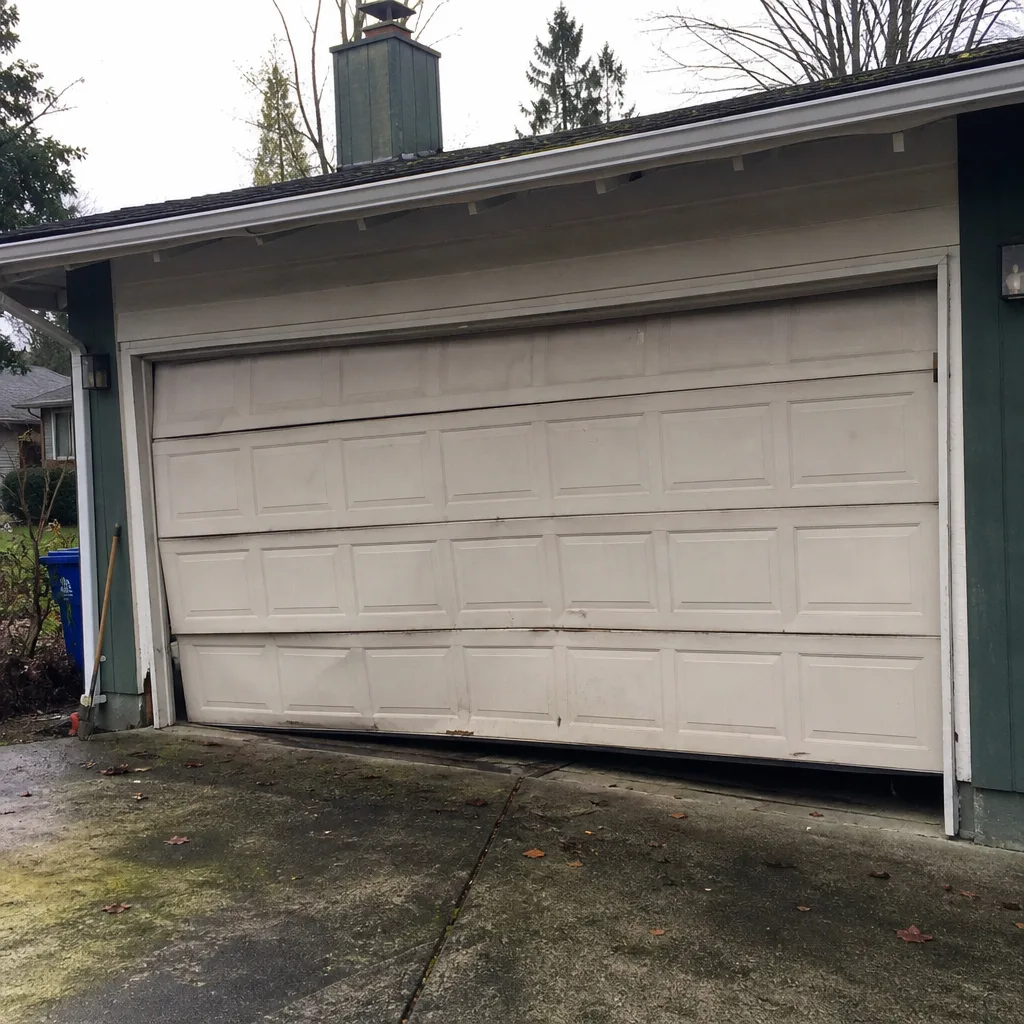 Before
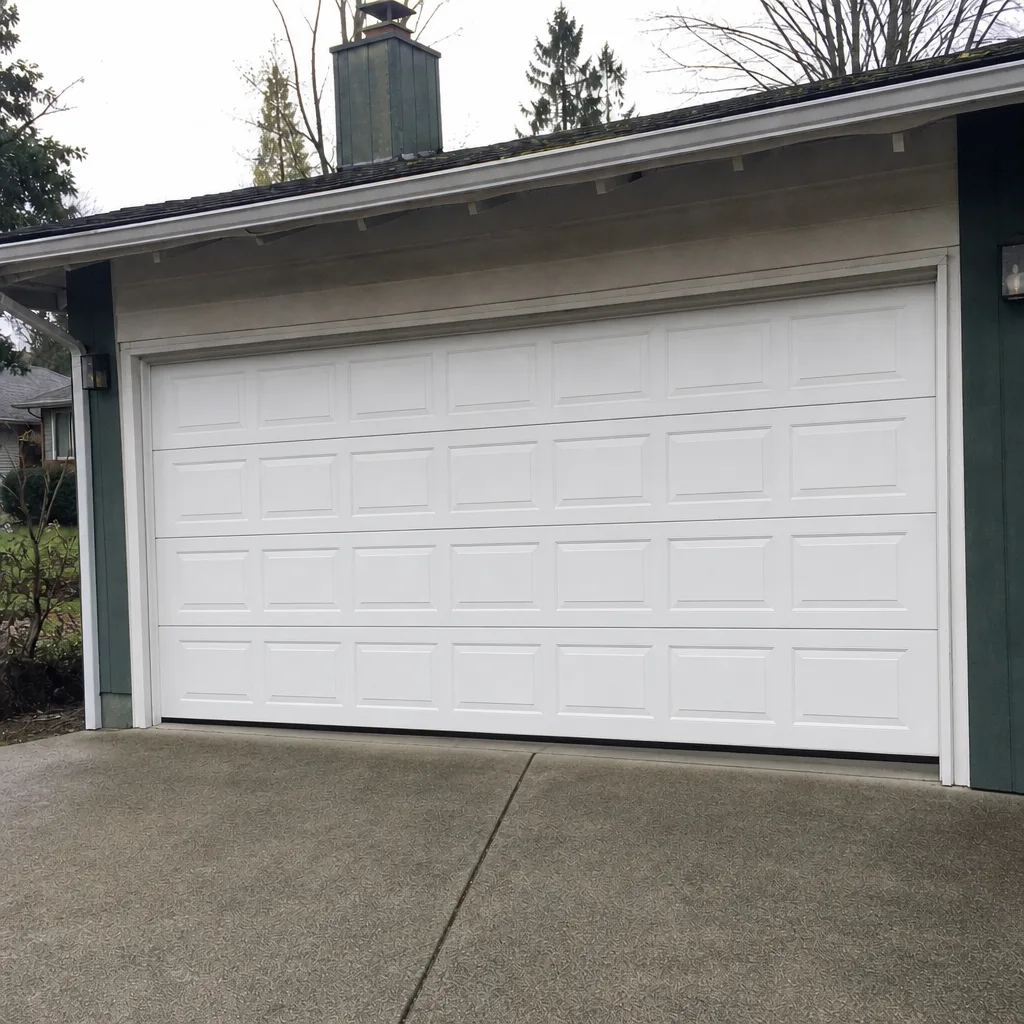 After
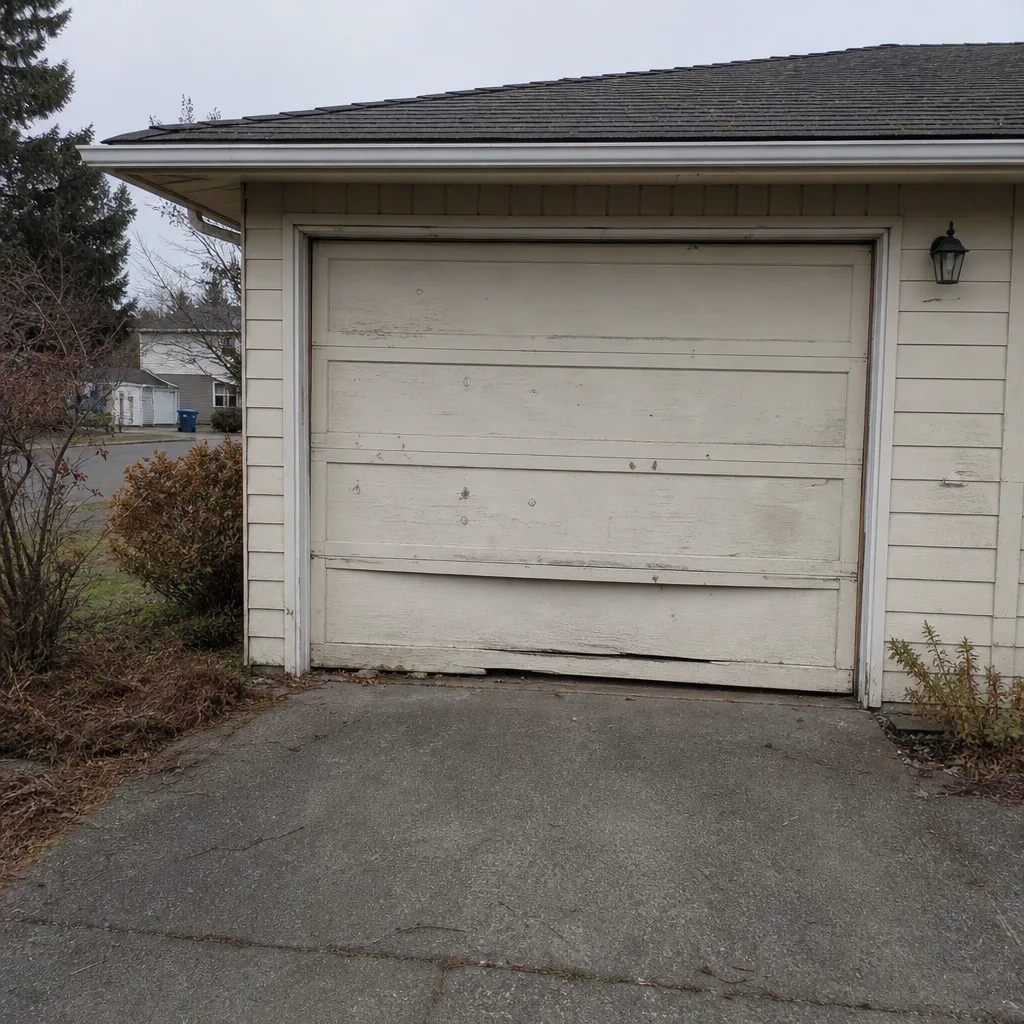 Before
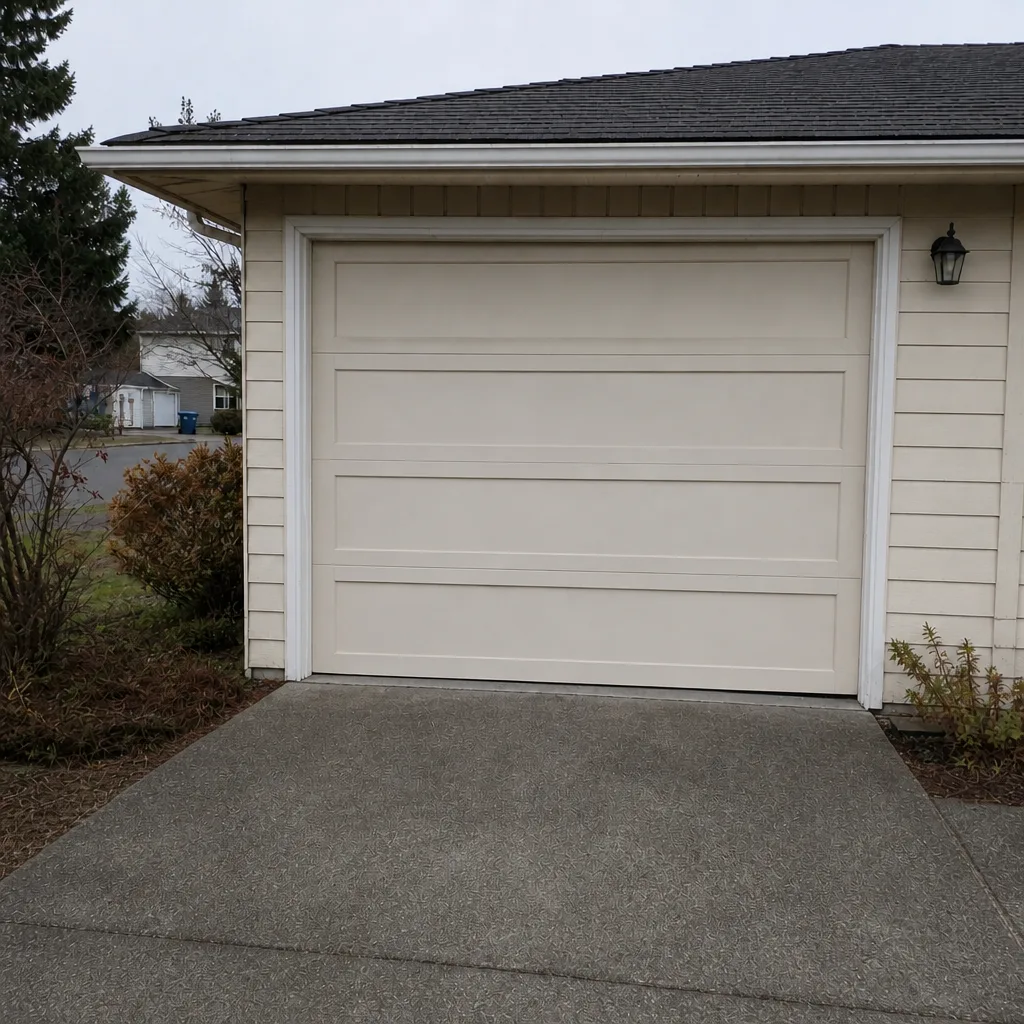 After
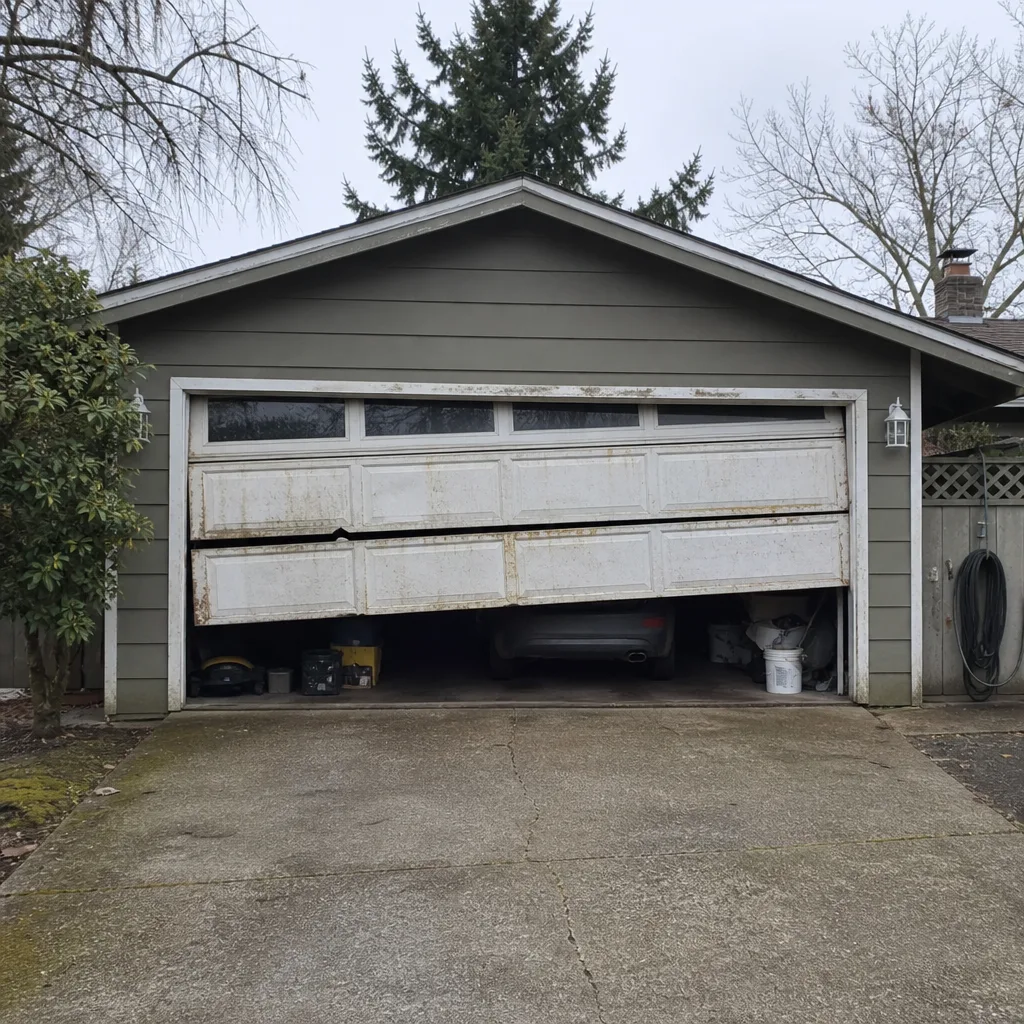 Before
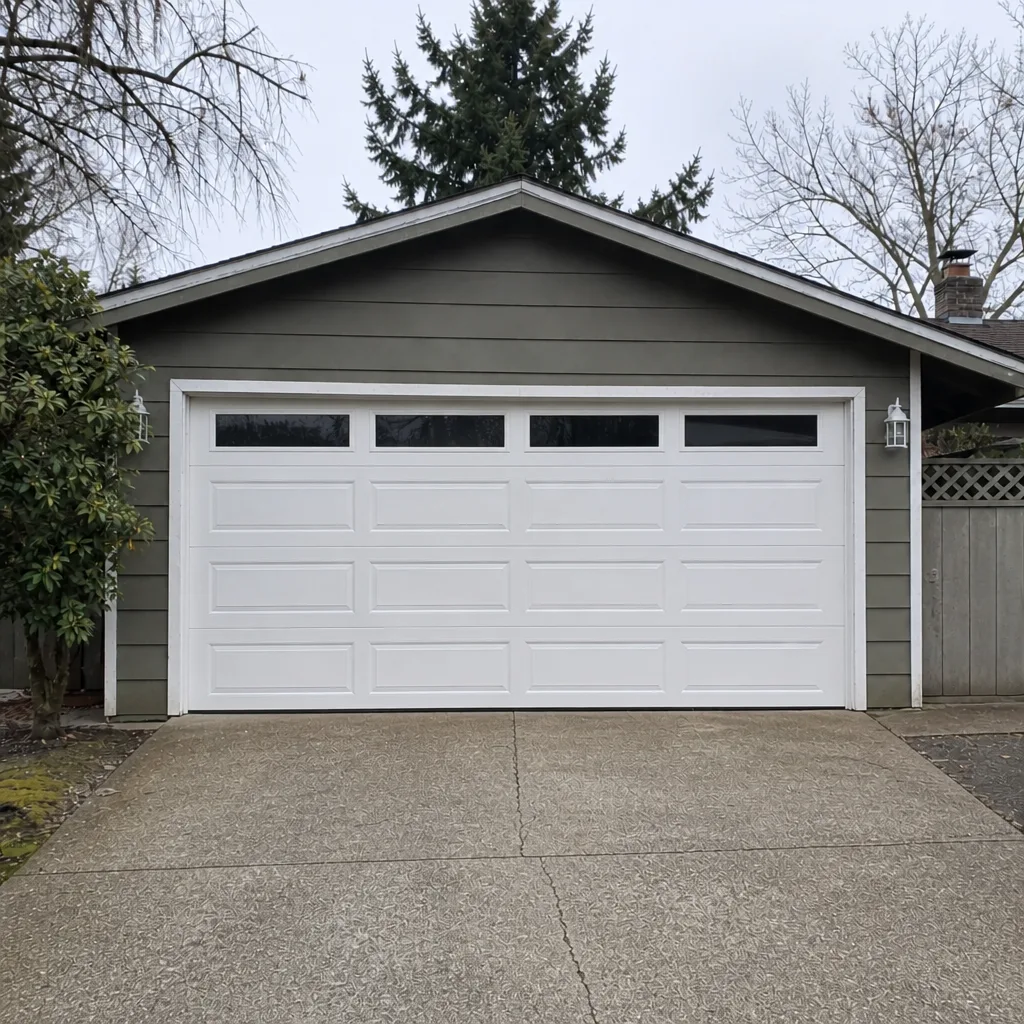 After
Common Mistakes to Avoid
- Pulling the manual release with the door open. The door will drop, and a 200-pound door with no tension is genuinely dangerous.
- Lifting a door with a broken spring by hand. This is the most common injury path in garage door emergencies, and it bends panels, too.
- Hitting the opener button repeatedly when the door binds. Each attempt strains the drive gear and the motor, and it often turns a quick repair into a bigger one.
- Trying to reset a door that’s off its tracks by hand. The door needs to be properly rehung by a technician; force will twist the tracks and the panels.
- Ignoring an ice-sealed door and running the opener anyway. This strips gears and can burn out a Genie or LiftMaster opener.
- Not checking the backup entry. The lockout is the emergency most Shoreline homeowners haven’t planned for, and it’s the easiest to avoid.
- Waiting on visible damage. Dents, gaps and noise are early warnings. Scheduling a repair is always cheaper and calmer than an emergency call.
When to Call a Professional
Call a professional when the problem involves springs, cables, the track, the opener drive gear, or a panel that’s bent enough that the door won’t seal. Call if the door is hanging open and won’t secure, or if anyone has been locked in or out. Call if you don’t know what’s wrong and the door is stuck. The telephone is the cheapest tool you have: a technician can tell you in a few minutes whether it’s something to handle tonight or something to schedule. Springs and cables are the two parts we’d never suggest a homeowner service themselves. Trained technicians handle torsion springs and extension springs with the proper tools and the right sequence, and that’s the difference between a repair and an injury. For everything else (openers, remotes, keypads, panels, tracks, full replacements) a service call is straightforward. Shoreline Garage Door Repair Pros offers free estimates in Shoreline, and the price is quoted and agreed before any work starts. Call (877) 792-6114. We answer 24/7.
Frequently Asked Questions
Secure the door first, then call for a repair. Use C-clamps on the vertical tracks just below a roller, or a brace against the inside of the door panel, to hold it in place. Don’t try to force a door that’s off its tracks or has a broken spring. Call (877) 792-6114; we can help you secure it tonight and get a technician on the repair.
Close the door fully, pull the red release handle hanging from the trolley, then lift the door by hand. It should lift with reasonable effort; if it doesn’t, the springs are weak or failing, and you should lower it and call a professional. Never pull the release with the door open. Re-engage the trolley by running the opener once power returns.
Yes. Torsion and extension springs are under extreme tension, and a spring that releases unexpectedly can cause serious injury. We handle spring repair with trained technicians and the proper tools, and we recommend the same for any homeowner. Call (877) 792-6114 for a free estimate on a spring repair.
For emergencies, yes, we prioritize same-day service, and we dispatch Sunday through Friday, 7am to 7pm. Call (877) 792-6114. We answer 24/7, and a call outside dispatch hours is booked into the next opening. Scheduled repairs are booked at the soonest available time, and the price is agreed before any work starts.
No. The price is set per job by the written estimate, and that’s the number regardless of when the work happens. You’ll know the price before anything starts, and we don’t add a service-call or diagnostic fee. Call (877) 792-6114 for a free estimate.
We service eight of the most common brands: LiftMaster, Chamberlain, Genie, Clopay, Amarr, Wayne Dalton, Craftsman and Raynor, so there’s a good chance we already know your equipment. Brand familiarity means faster diagnosis and fewer return visits. Call (877) 792-6114 to tell us what you have and get a free estimate.
The Bottom Line
A garage door emergency is a security and access problem, and the difference between a stressful night and a non-event is preparation. Test your manual release now, know the release steps for your opener type, keep the emergency number saved, and make sure your backup entry works. If a spring or cable is involved, don’t touch it. If a door won’t secure, brace it and call. The steps in this guide are the same ones a technician uses to stabilize a door in a Shoreline windstorm or a cold snap, and you can do them all this week. For a free estimate, give us a call.
Call (877) 792-6114 for a free estimate. We answer 24/7. Fast dispatch from 7am to 7pm, Sunday through Friday.
Written by the team at Shoreline Garage Door Repair Pros.