
Last updated November 23, 2026
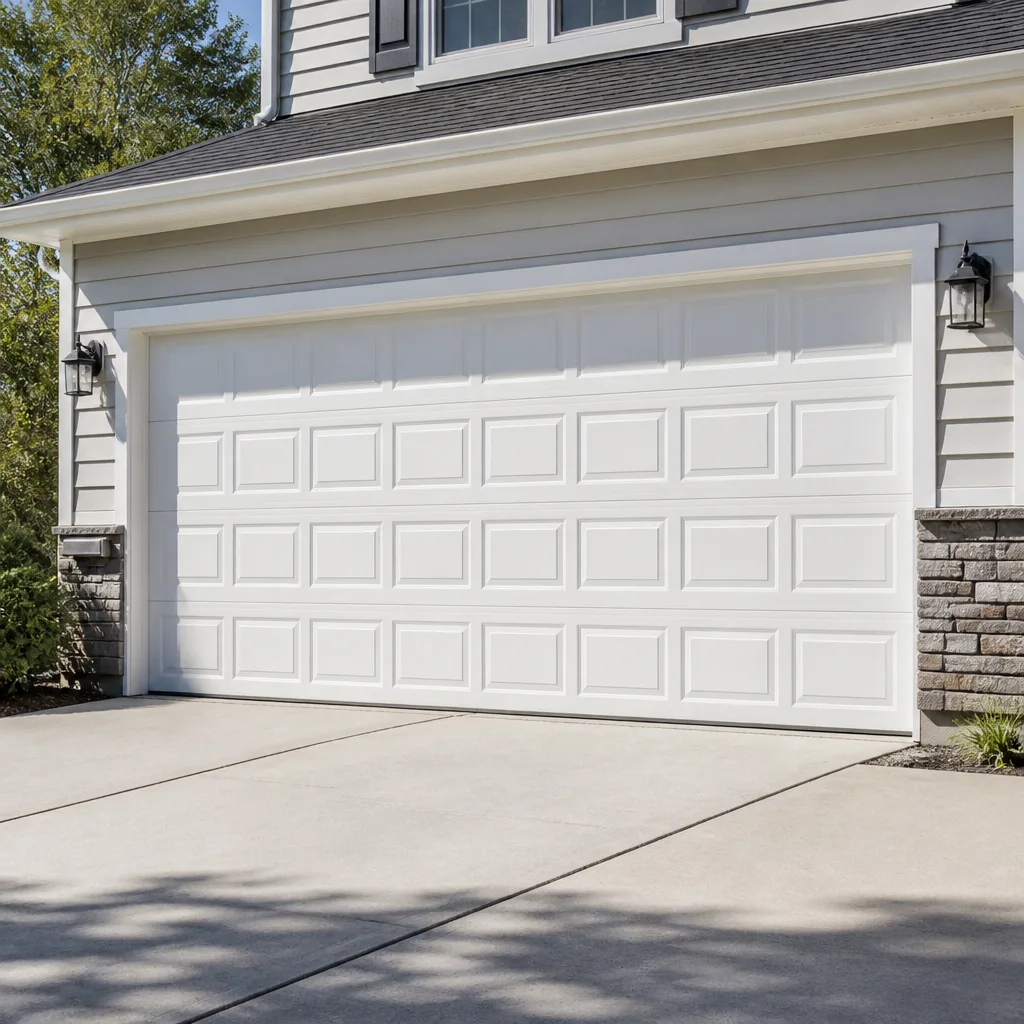 Raised-panel steel
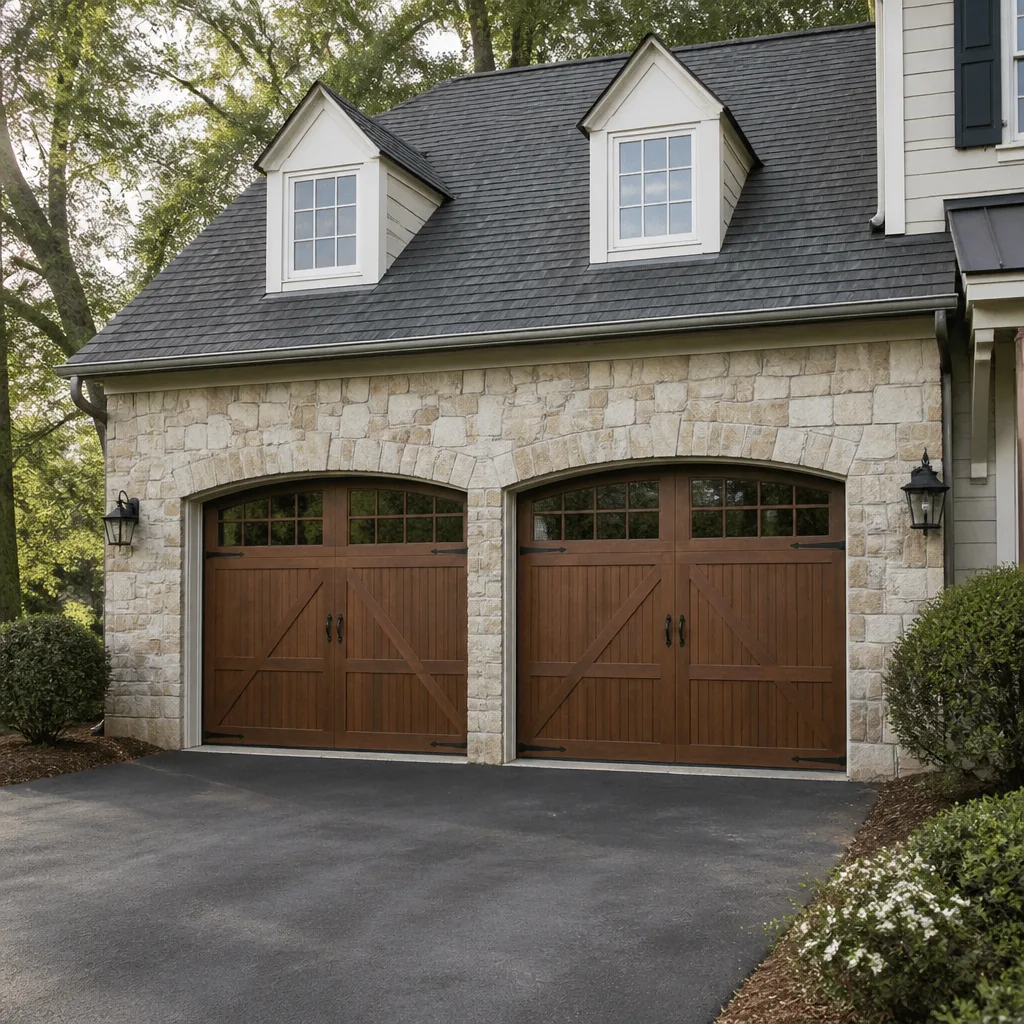 Carriage house
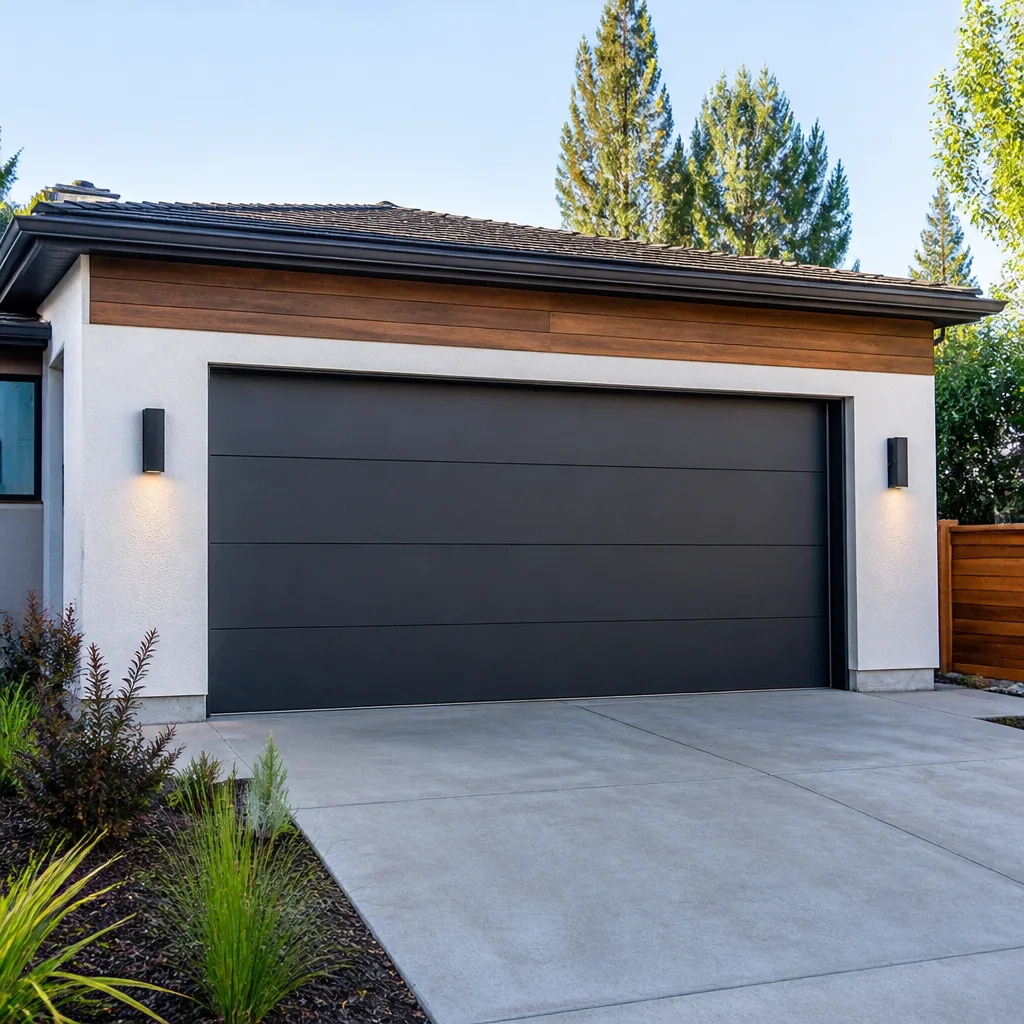 Modern flush
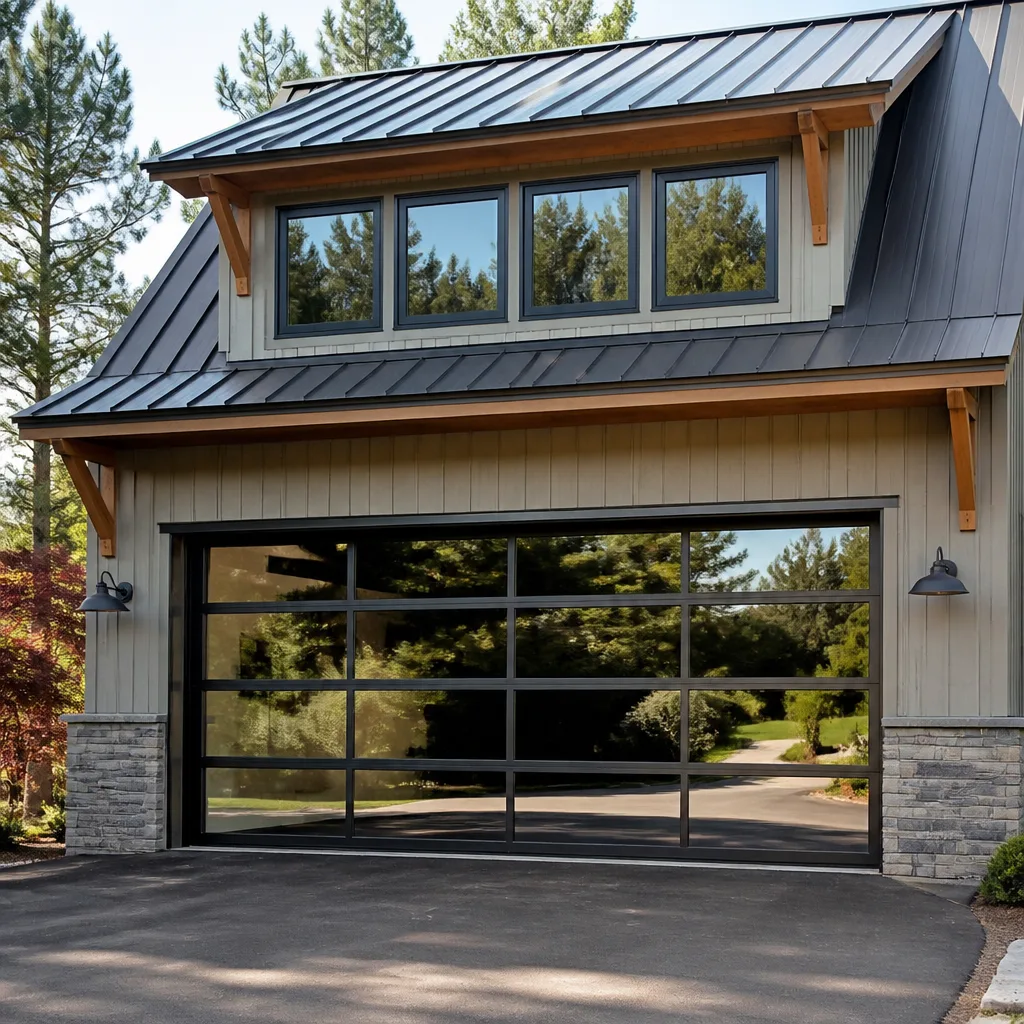 Full-view glass
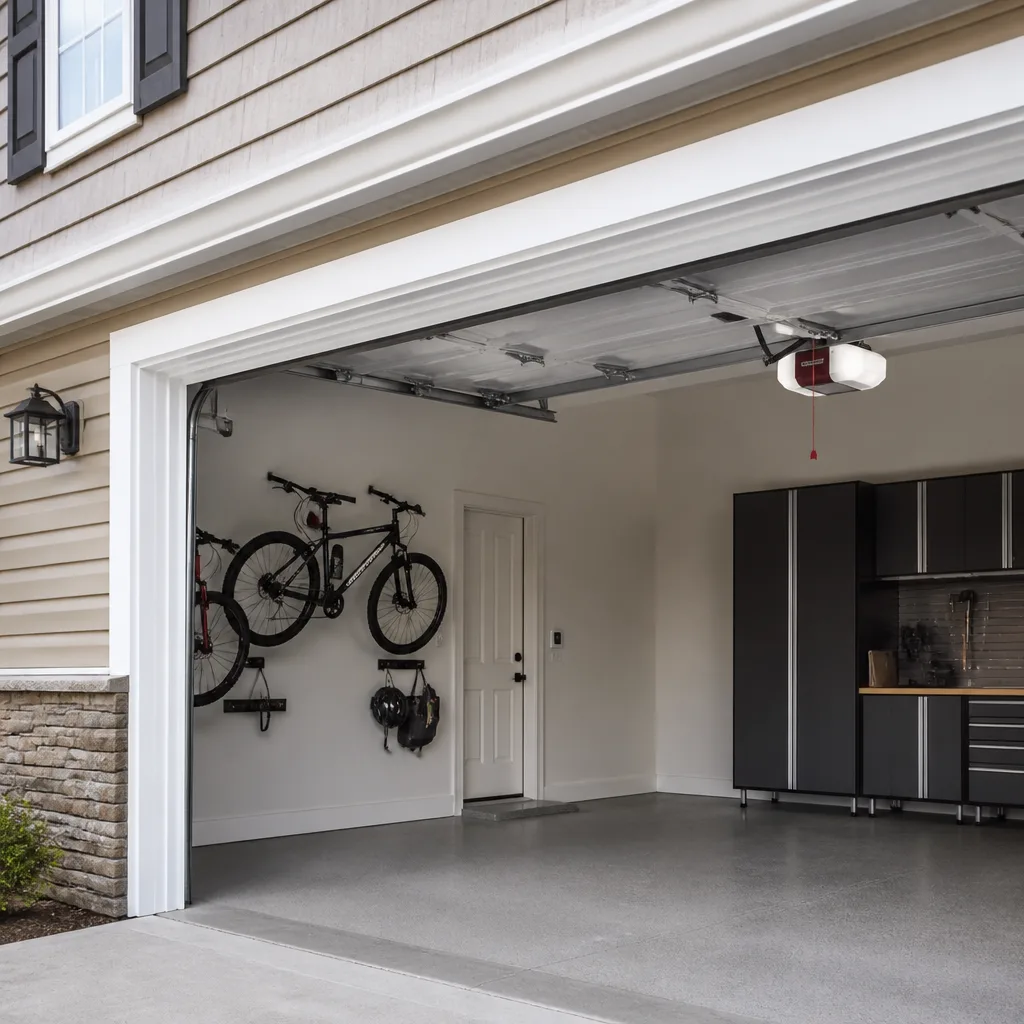 LiftMaster openers
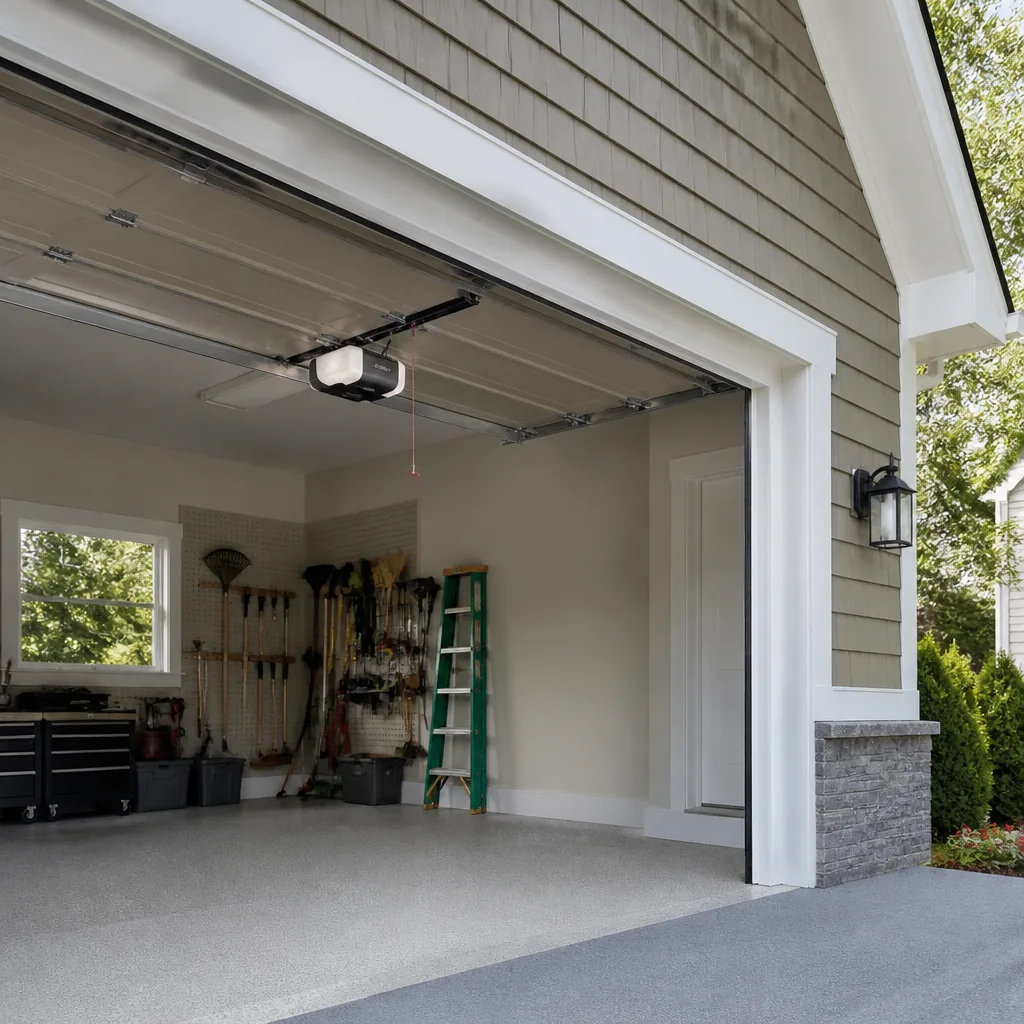 Chamberlain openers
Full 25-point door and opener safety check with every visit - springs, cables, rollers, tracks, and your LiftMaster or Chamberlain opener included
You get a price before we start. It does not change when the pro arrives.
Get your free estimateChoosing the Right Garage Door Brand: A Buyer’s Guide for Shoreline
The brand your neighbor swears by might be exactly wrong for your situation. Not because it’s a bad door – because it was specified for a different use pattern, a different insulation requirement, or a structural opening that doesn’t match yours. Brand choice for a garage door isn’t a marketing decision; it’s an engineering one. The right answer depends on how you actually use the door, how much weather it faces, and how much you’re willing to spend on maintenance over the next two decades. This guide walks through how the major brands differ, why insulation matters more than most Shoreline homeowners realize, and the questions that reveal whether a dealer is steering you toward what’s right for your home or what’s right for their margin.
Quick Answer
For most Shoreline homes, the “best” garage door brand is the one whose material, insulation rating, and warranty structure fit your specific opening and use pattern – there is no single winner. Clopay, Amarr, and Wayne Dalton cover the widest range of residential steel and composite options with strong parts support in Western Washington, while LiftMaster and Chamberlain dominate the opener side of the equation. Match the door brand to your climate exposure and daily cycles first, then let price and style follow.
Styles & brands we work with
- Raised-panel steel
- Carriage house
- Modern flush
- Full-view glass
- LiftMaster openers
- Chamberlain openers
Table of Contents
- Why Brand Selection Is an Engineering Decision
- How the Major Brands Actually Differ
- The Insulation Question: Why R-Value Matters in Shoreline
- Steel vs. Wood vs. Composite vs. Aluminum
- Why Parts Availability Matters as Much as Build Quality
- Questions That Reveal a Dealer’s Real Motive
- Opener Brands and the Door-Brand Decision
- Common Mistakes to Avoid
Why Brand Selection Is an Engineering Decision
A garage door is a mechanical system with moving parts under load, a defined cycle rating, and a warranty tied to specific installation conditions. When you pick a brand, you’re picking a set of engineering tradeoffs: gauge of steel, type and number of hinges, track profile, roller material, spring configuration, and the tolerances those parts are built to. Those choices determine how the door behaves after a few thousand open-and-close cycles, not how it looks the day it’s installed.
In our experience across Shoreline, the homeowners who are happiest with their purchase years later are the ones who thought about use pattern first. A household where the garage is the primary entry point opens and closes the door many more times a day than a household where it’s used for storage and the occasional car shuffle. That difference matters because cycle ratings are finite. A door rated for a certain number of cycles under a certain load performs very differently when it’s asked to do double the work.
There are a handful of variables that should drive your brand choice, and none of them are style:
- Daily cycles. How many times does your household open and close the door each day?
- Insulation needs. Is the garage attached, and does anyone spend time in the space above or beside it?
- Weather exposure. How much wind-driven rain and humidity does the door face?
- Opening size and structure. Standard eight-foot openings allow more brand options than oversized or non-standard ones.
- Maintenance appetite. Steel asks for less attention than wood by a wide margin.
- Budget horizon. What you pay up front versus what you’ll spend over twenty years are different numbers.
We work on the equipment Shoreline homeowners already own, and we install new doors across the major brands – LiftMaster, Chamberlain, Genie, Clopay, Amarr, Wayne Dalton, Craftsman, and Raynor. That breadth is useful here because it means we can talk about tradeoffs honestly rather than pushing one brand.
How the Major Brands Actually Differ
The residential garage door market isn’t as fragmented as the marketing makes it look. A handful of manufacturers build the vast majority of the doors and openers installed in the Pacific Northwest, and the meaningful differences come down to construction method, warranty structure, and how easy the brand is to service when something goes wrong.
Clopay is the largest residential door manufacturer in North America and offers the broadest range of insulation levels, panel styles, and window configurations. Their lineup spans builder-grade steel all the way to premium insulated doors, which means you can find a Clopay door at almost any price point. The wide range is a strength, but it also means the brand name alone tells you very little – what matters is the specific model and its insulation rating.
Amarr builds a strong mid-market steel and composite door with a good warranty structure and a reputation for consistent construction quality. Their doors tend to hold their finish well in humid climates, which matters in Western Washington.
Wayne Dalton covers the full spectrum from entry-level steel to composite and wood-look doors, and their parts and panel replacement program is well-established. That matters more than most homeowners realize – if a panel is damaged, being able to replace a single section rather than the entire door is a real financial advantage.
CHI builds heavier-gauge steel doors with strong insulation options and a reputation for build quality that appeals to homeowners planning a long-term installation. Availability in a given market depends on local dealer networks, so it’s worth asking specifically.
LiftMaster sits on the opener side of the equation. They’re the largest residential opener brand and have the deepest technician support network in the region. Chamberlain shares much of the same underlying engineering and is widely available at retail, which makes it a common choice for homeowners who want to handle a simple opener swap themselves – though we’d point out that a poorly matched opener is one of the most common causes of premature door wear.
The takeaway here is that brand names are a starting point, not an answer. A builder-grade Clopay door and a premium Clopay door share a badge but almost nothing else.
The Insulation Question: Why R-Value Matters in Shoreline
Most garage door buying advice treats insulation as a comfort feature. That undersells it. In an attached-garage home – which describes a large share of the housing stock across Shoreline, from the neighborhoods near the Interurban Trail to the quieter residential streets toward Richmond Beach – an uninsulated or poorly insulated garage door acts as a large thermal hole punched into the building envelope. The garage heats up in summer and cools down in winter, and the rooms adjacent to or above it feel that swing.
Shoreline’s climate makes this a year-round issue rather than a seasonal one. Mild, humid winters and comfortable summers mean the door is constantly mediating temperature and moisture, not just holding back cold. An insulated door doesn’t just keep the garage more comfortable; it changes how the adjacent living space performs.
What to look for:
- R-value matters most on attached garages. A detached garage is a separate structure and the insulation calculation is different. If you have a bedroom, kitchen, or living space sharing a wall or ceiling with the garage, insulation should be near the top of your list.
- Look at the actual insulation number, not the marketing language. “Insulated” can mean a thin polystyrene sheet or a fully filled polyurethane core. Ask for the specific R-value of the model you’re considering.
- Consider the whole assembly. A high-R-value door with unsealed gaps around the perimeter still leaks air. Weatherstripping and threshold seals matter as much as the panel core.
- Insulation level affects more than energy. Heavier insulated doors are quieter, and the extra mass can reduce the operating noise transmitted into the house above.
If you’re weighing a lower-cost uninsulated door against a slightly more expensive insulated one, the real question is how the garage is used and how close living space is to it. In most attached-garage homes, the insulated option pays for itself in comfort long before it pays for itself on the utility bill alone.
Steel vs. Wood vs. Composite vs. Aluminum
Material choice drives nearly everything else about a garage door: how much maintenance it needs, how it handles Shoreline’s humidity, how long it lasts, and what it costs to fix when something goes wrong. Our climate is mild but consistently humid, especially through the cooler months, and that pushes the material decision in a specific direction.
Steel
Steel is the default for good reason. It’s strong, it’s available at every price point, and it holds up well to humidity when the finish is intact. Steel doors handle the wet season in Western Washington without swelling, warping, or growing anything. The main vulnerability is the finish: scratches and dings that expose bare metal can lead to rust over time, so a bit of touch-up paint goes a long way. Insulated steel with a polyurethane core is the most common upgrade for Shoreline homeowners because it delivers the best balance of durability and thermal performance per dollar.
Wood
Wood is beautiful and problematic in roughly equal measure. Solid wood and wood-clad doors look excellent on certain architectural styles, but wood is hygroscopic – it absorbs and releases moisture – and in a consistently humid climate that means regular refinishing to keep it stable. Without that maintenance, wood doors warp, crack, and lose their finish. If you want the wood look without the upkeep, wood-look steel or composite is the smarter choice for Shoreline.
Composite
Composite doors give you the visual depth of wood without the moisture sensitivity. Modern composite construction has improved considerably, and the finish typically holds up well. They tend to cost more than steel at the same insulation level, but the maintenance savings over twenty years can offset the up-front premium, particularly if you value the aesthetic.
Aluminum
Aluminum is lightweight and rust-resistant, which makes it common in full-view and glass-panel doors. The tradeoff is that aluminum on its own doesn’t insulate well, so an all-aluminum door is usually a poor fit for an attached garage in this climate unless it’s built with thermal breaks and insulated glass. For a detached shop or a decorative application, it’s a fine choice.
The short version: for most Shoreline homes, insulated steel or composite is the practical answer, wood is a maintenance commitment, and aluminum is situational.
Why Parts Availability Matters as Much as Build Quality
A garage door is a system of wear parts. Springs, rollers, hinges, cables, and opener components all have service lives, and every door will eventually need some of them replaced. The brand’s build quality determines how long those parts last; the brand’s parts network determines how quickly and cheaply you can get replacements when they do. That second factor is the one homeowners forget to ask about.
In the Puget Sound area, parts availability varies significantly by brand. The major manufacturers distribute through local dealer networks and supply houses, and the brands with well-established distribution in Western Washington are the ones where a technician can source a replacement panel, spring, or opener component without waiting on a special order. Brands with thinner local distribution can turn a straightforward repair into a multi-week wait.
What to ask before you commit to a brand:
- Which parts are stocked or readily available locally for this model?
- How long does a replacement panel typically take to arrive if mine is damaged?
- Are the springs a standard size, or a proprietary one?
- Does the opener work with off-the-shelf remotes and accessories, or only the manufacturer’s own?
- What’s the typical lead time for a custom size in this line?
The practical outcome: a well-built door from a brand with strong local support is a better long-term decision than a marginally better door from a brand that’s hard to service. When a spring fails, being able to get the right replacement quickly matters more than the gauge of steel it’s attached to. If you’re not sure what equipment you have, a technician can identify the brand and find parts; that’s part of what garage door repair involves.
Questions That Reveal a Dealer’s Real Motive
Most garage door dealers are honest. Some aren’t, or they’re honest but steered by which brands their shop carries. The way to tell the difference is to ask questions that force specificity. Vague answers to specific questions are the tell.
Ask these before you sign anything:
- “What’s the R-value of the specific model you’re recommending?” A dealer who knows the product can tell you. One who fumbles is either selling on style alone or doesn’t know the line.
- “How many cycles is this door rated for, and how does that compare with my household’s use?” This answer should reference your actual usage pattern, not a generic number.
- “What’s the warranty cover, and what voids it?” Most warranties exclude labor, and many are voided by improper installation. Ask who honors the warranty if the original installer is out of the picture.
- “Which brands do you refuse to install, and why?” A dealer with no opinion on brand is a dealer who hasn’t thought it through. A dealer who badmouths everything except their one line is selling their inventory, not your home.
- “Are the springs matched to the door’s weight, or are these off-the-shelf?” Properly matched springs are how a door lasts. Off-the-shelf springs under an undersized door fail early, dangerously.
- “What’s the service life of the finish in this climate?” A dealer who talks about humidity and condensation in Western Washington knows the local conditions. One who doesn’t is selling generically.
If a dealer recommends a specific brand for a specific reason tied to your opening, your use pattern, and your climate exposure, that’s a dealer thinking. If they recommend the same door for every home, that’s a sales conversation. For an honest diagnosis of what your existing door needs before you decide on brand, garage door repair is a sensible starting point.
Opener Brands and the Door-Brand Decision
The door and the opener are a system, and the best brand match depends on how they interact. The most common residential opener brands in the Shoreline market are LiftMaster and Chamberlain, with Genie and Craftsman also well-represented. A door installed on the wrong opener will wear faster and cause more service headaches than the door brand choice alone.
Key interactions to consider:
- LiftMaster and Chamberlain share engineering. Parts and accessories often interchange, which simplifies service and means you’re never stuck with a proprietary accessory.
- Genie openers have their own logic and remote systems. They’re reliable, but the brand match with the door matters because the opener’s force profile affects how the door wears.
- Craftsman openers are widely installed and well-supported, though the brand is now folded into the Chamberlain family for many models.
- Smart-drive and belt-drive units are quieter and better suited to homes where the garage shares a wall with living space – common in Shoreline.
- Older openers still work well but may need to be replaced if the door is upgraded to a heavier insulated model, because the opener needs to be matched to the door’s weight and balance.
One detail worth knowing: the door’s balance and spring tension matter to the opener. If the door is out of balance, the opener compensates, and that extra work shortens its life. If your door feels heavy or slams down, the opener is doing work it shouldn’t have to. That’s a spring issue, not an opener issue. When springs need replacement, high-tension torsion and extension springs are genuinely dangerous to service without proper tools, and that’s the kind of work garage door spring repair handles. If the opener itself is failing – reversing unexpectedly, running but not moving the door, or losing its remote connection – garage door opener repair covers brand-specific diagnosis and repair.
Common Mistakes to Avoid
- Choosing on style first. The panel profile and window arrangement matter, but they shouldn’t drive the brand decision. Pick the construction and insulation level that fit how the home works, then let the aesthetic follow within that category.
- Assuming “insulated” means anything specific. The word appears on everything from thin polystyrene-backed panels to fully filled cores. Ask for the actual R-value of the model you’re considering, not the marketing label on the showroom floor.
- Buying the cheapest door for an attached garage. The version of this mistake that hurts is the one in a household where the garage shares a wall with living space. The up-front savings are real, but so is the measurable comfort difference.
- Ignoring parts availability in the local market. A brand with thin distribution in Western Washington can mean a weeks-long wait when a panel or spring needs replacement. Ask how long a replacement part would take to arrive before you buy.
- Forgetting that springs must match door weight. Off-the-shelf springs under a heavier door than they’re rated for fail early. Insist that springs are matched to the door’s weight, not just “standard size.”
- Underestimating cycle count in a busy household. A door used as the primary entry point cycles many times more per day than one used as a storage door. Ask for the cycle rating and compare it honestly to your use.
- Not asking what voids the warranty. Most warranties exclude labor and many require professional installation. An installer who isn’t authorized for the brand can void coverage you thought you had.
See the difference
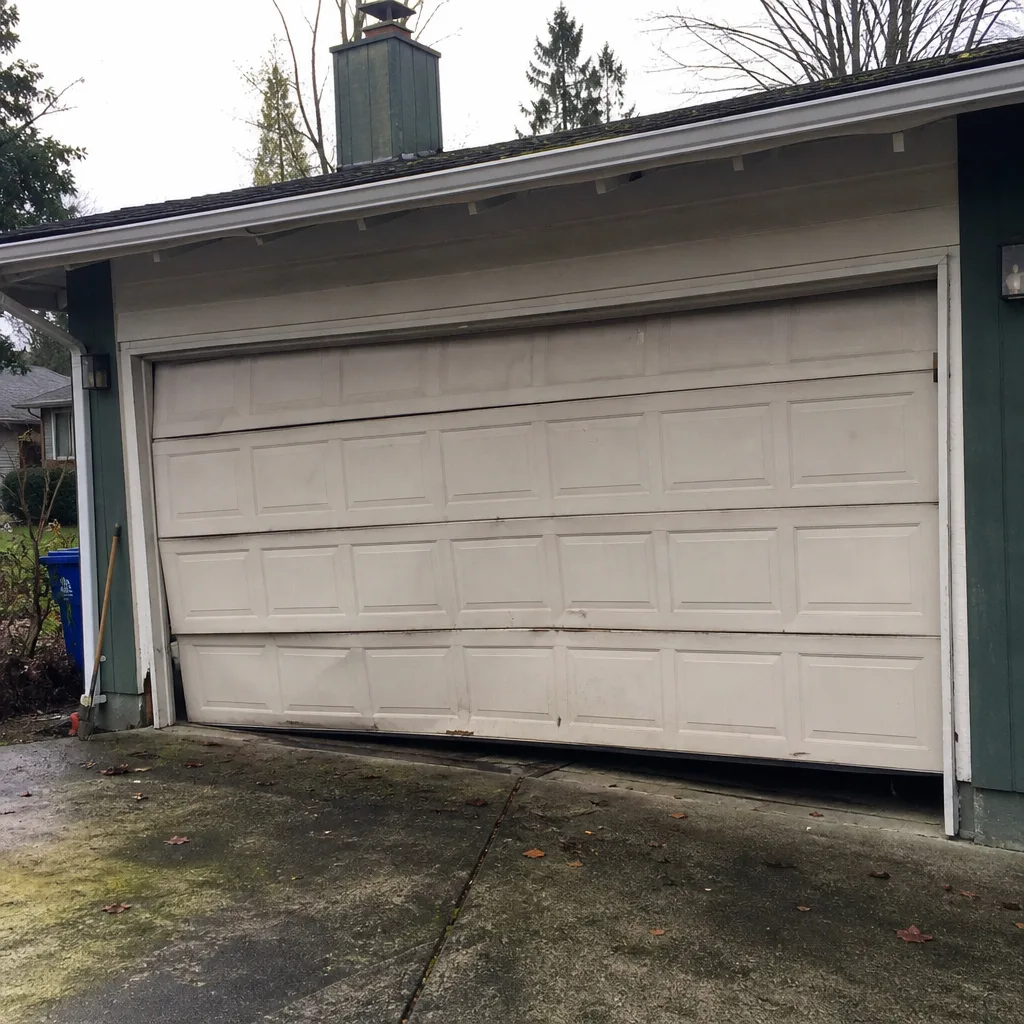 Before
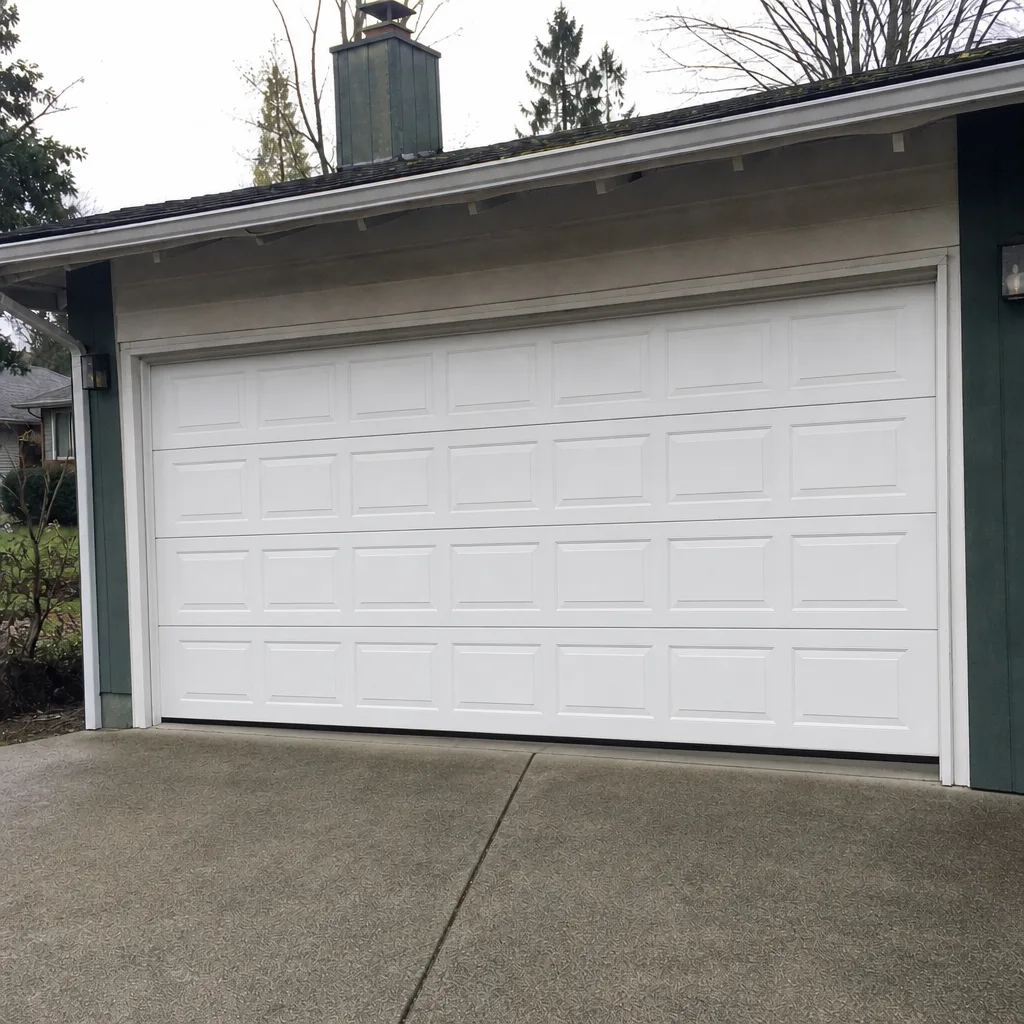 After
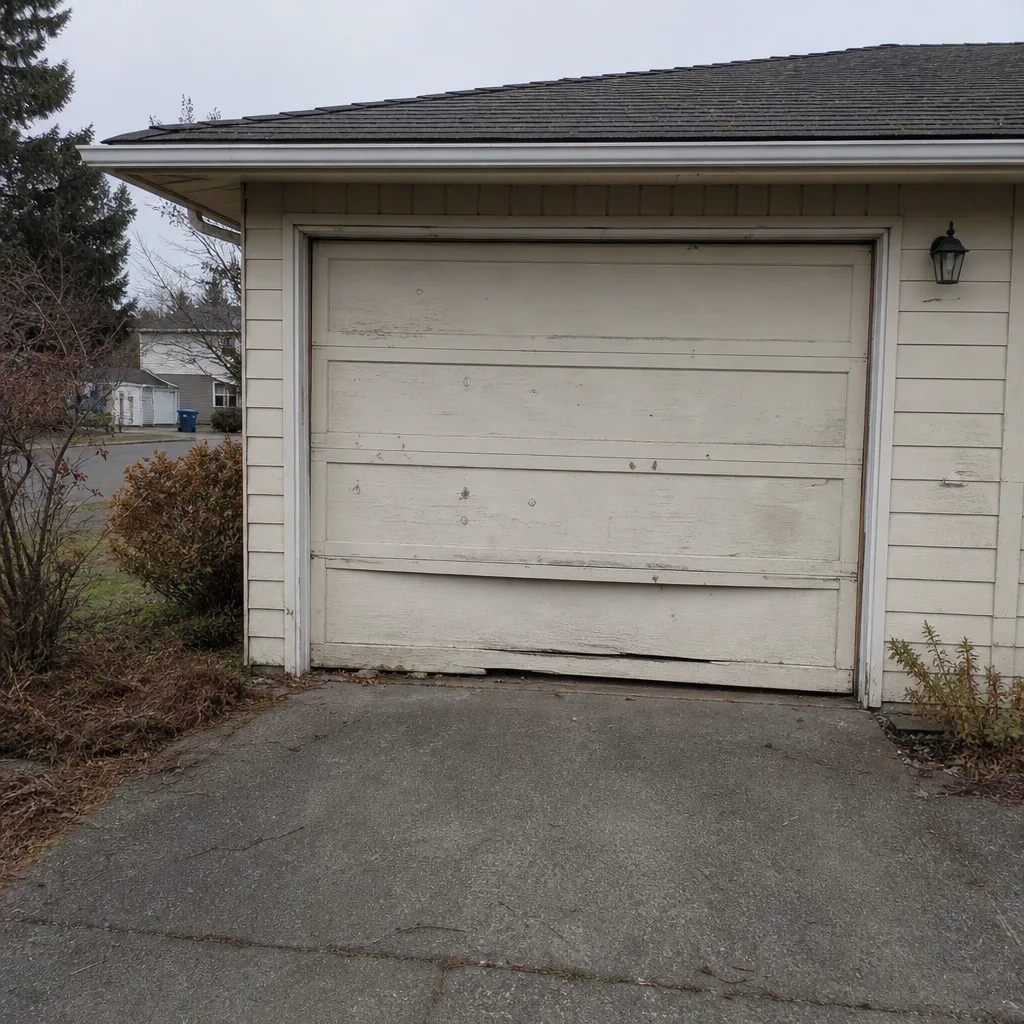 Before
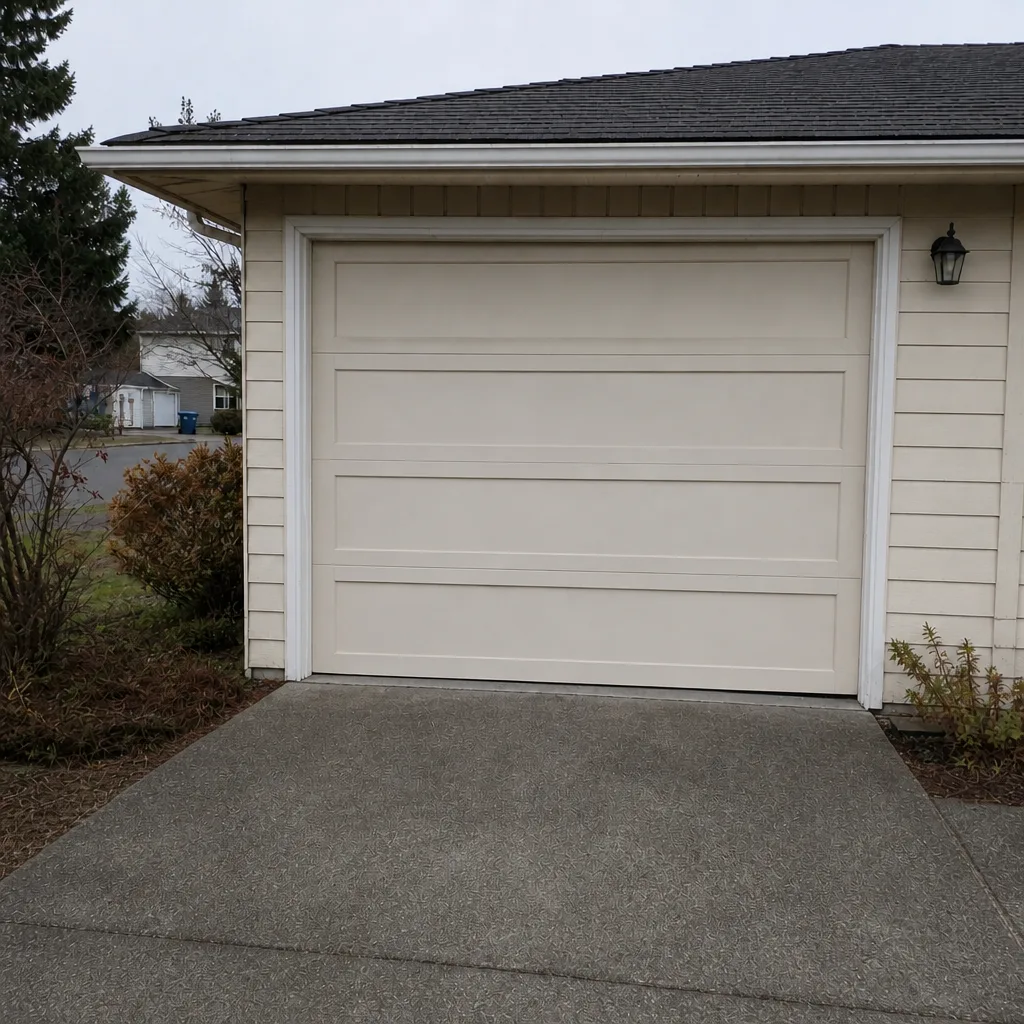 After
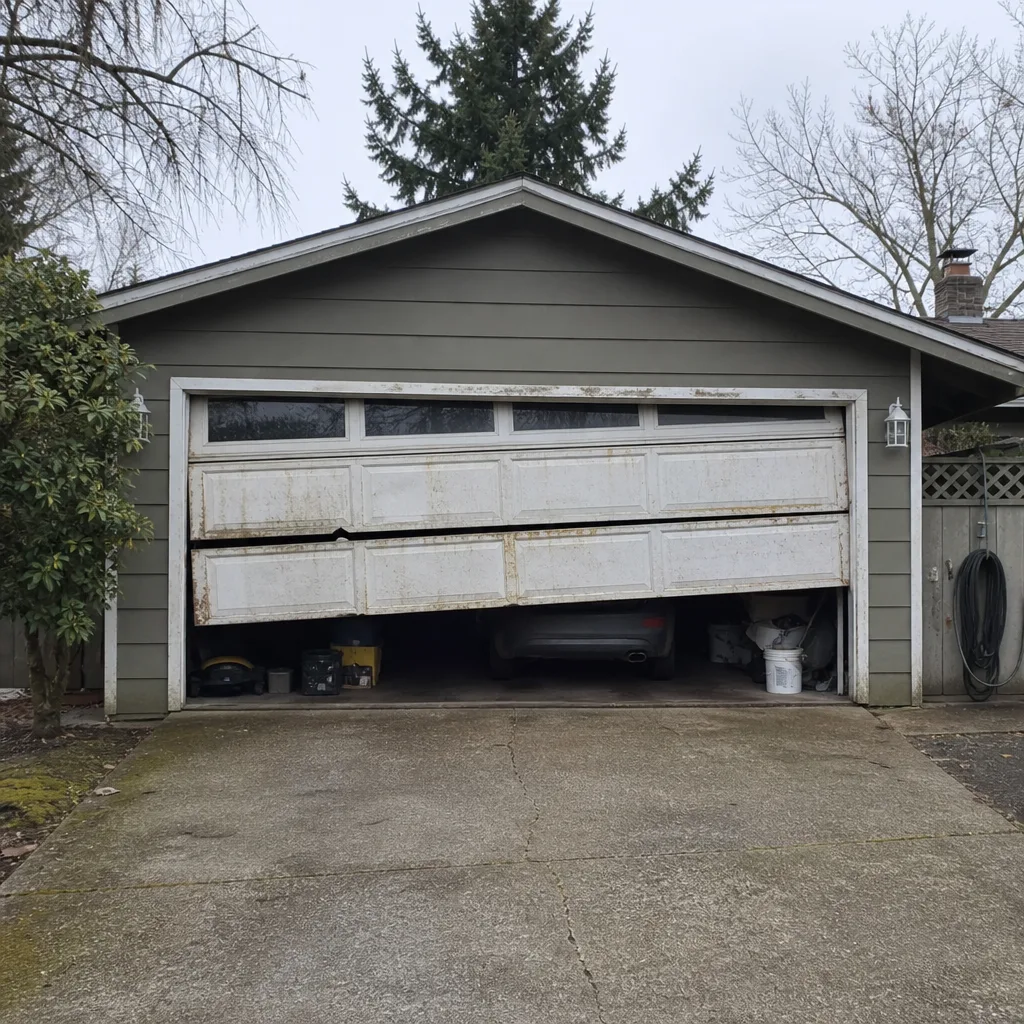 Before
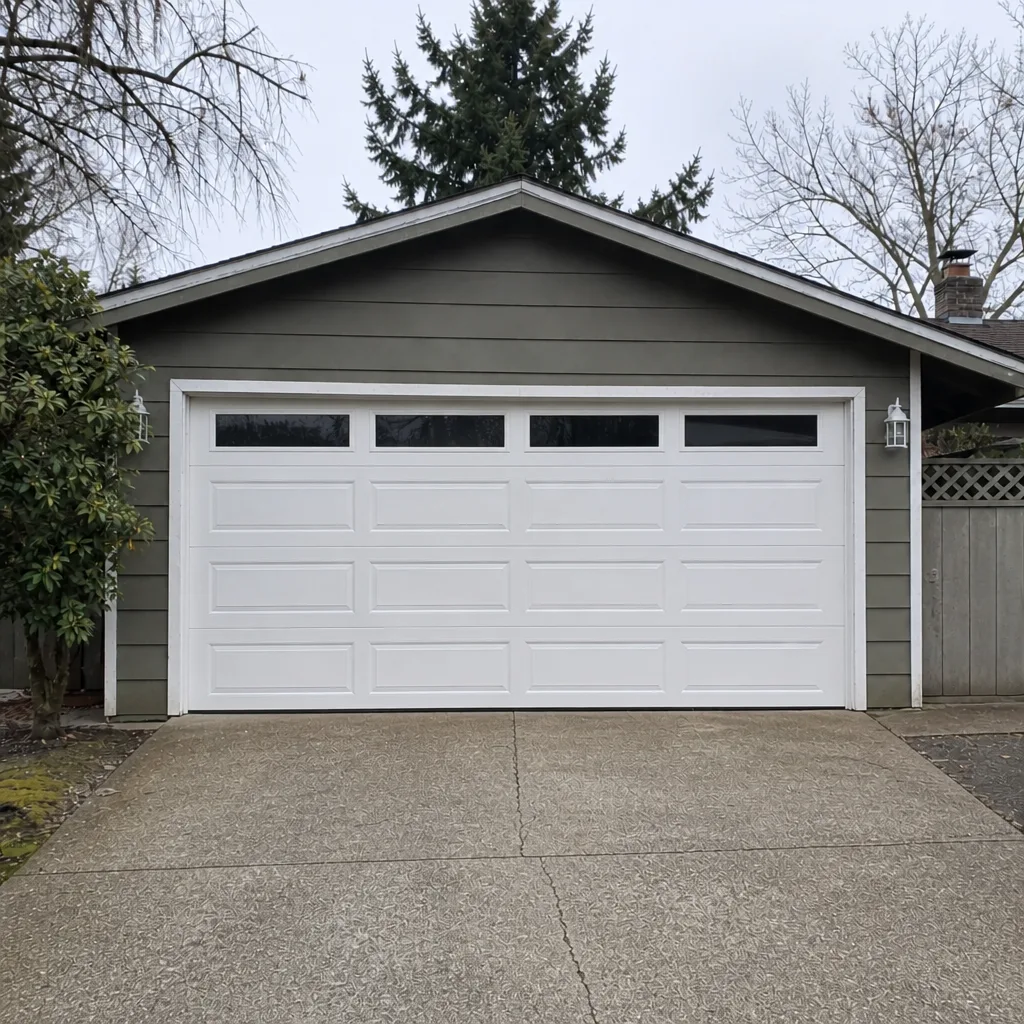 After
When to Call a Professional
There’s a clear line between “I could handle this” and “this needs a trained technician.” Springs, cables, and anything under load on the door fall on the professional side without hesitation – the torsion spring stores enough energy to cause serious injury, and the tools to service it safely are not homeowner tools. Similarly, an opener that’s reversing unexpectedly or a door that’s running out of balance is a diagnosis problem, not a DIY problem. Most brand warranty issues and installation screw-ups come from an unqualified install that costs more to fix than the original would have cost to do right. Shoreline Garage Door Repair Pros offers free estimates in Shoreline – call (877) 792-6114. We answer 24/7. Fast dispatch from 7am to 7pm, Sunday through Friday.
Frequently Asked Questions
There isn’t a single best brand – the right choice depends on your garage’s insulation needs, your household’s daily cycle count, and how readily the brand’s parts are available locally. For most attached-garage homes in Shoreline, an insulated steel or composite door from a manufacturer with strong Western Washington distribution (Clopay, Amarr, or Wayne Dalton) is a solid starting point. Call (877) 792-6114 for an exact quote based on your opening and usage – estimates are free.
Humidity matters, but the bigger driver is the climate swing across the seasons. Shoreline’s mild, humid winters and comfortable summers mean an uninsulated attached-garage door transfers heat and moisture year-round. The R-value matters most if the garage shares a wall or ceiling with living space. Ask for the specific R-value of any model you’re considering rather than relying on the word “insulated.”
We service and install eight of the most common residential brands: LiftMaster, Chamberlain, Genie, Clopay, Amarr, Wayne Dalton, Craftsman, and Raynor. On the opener side, LiftMaster and Chamberlain share engineering, which makes brand-matched service straightforward; Genie and Craftsman are also well-supported. If your equipment is from outside that list, tell us the brand and we’ll confirm before scheduling.
Lead time depends on the specific brand and model, since parts availability varies across Western Washington. Brands with well-established local dealer networks tend to have faster access; smaller or specialty lines can involve a special order. Before you commit to a brand, ask the dealer how long a replacement panel for your specific model would take to arrive.
No, but the two need to be compatible. A door’s weight and balance profile determine what the opener has to do, and an opener working against an out-of-balance door will wear faster regardless of brand. The door’s springs should be matched to its weight, and the opener should be sized to the door’s weight and the household’s cycle count. Call (877) 792-6114 if you’re not sure your opener is matched to your door.
Yes, if the brand is one we work on: LiftMaster, Chamberlain, Genie, Clopay, Amarr, Wayne Dalton, Craftsman, or Raynor. We also do the full installation, from measuring the opening through the finished door, so you don’t need a separate installer. Free installation estimates are available in Shoreline – call (877) 792-6114.
The Bottom Line
Brand choice for a Shoreline garage door is a use-case decision, not a marketing one. Pick the material based on your maintenance appetite, pick the insulation level based on whether the garage shares a wall with living space, and ask for the specific R-value and cycle rating of any model you’re considering. Then ask about local parts availability and warranty coverage – those two factors separate a brand you’ll be happy with in year ten from one you’ll regret by year three. Match the opener to the door’s weight and balance, and never guess on springs. If you want help figuring out what fits your specific opening and usage, Shoreline Garage Door Repair Pros is here to walk you through it. Our technicians have up to 10 years of experience across the major brands. Call (877) 792-6114 – we answer 24/7, and dispatch runs 7am to 7pm, Sunday through Friday. Free estimates, and the written quote is the price.
Written by the team at Shoreline Garage Door Repair Pros.